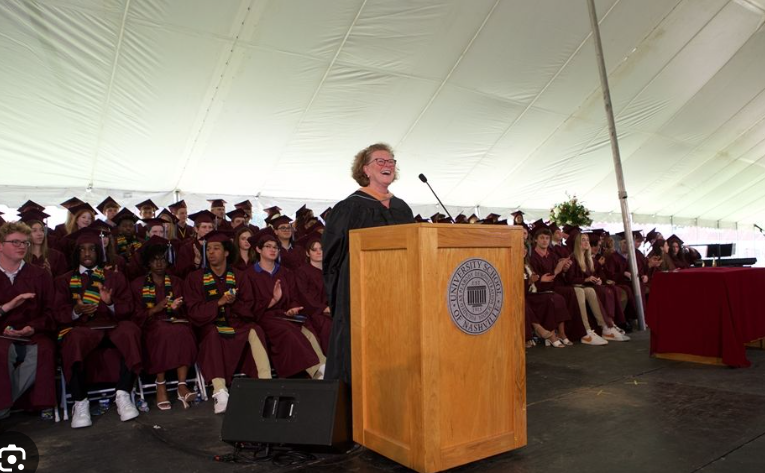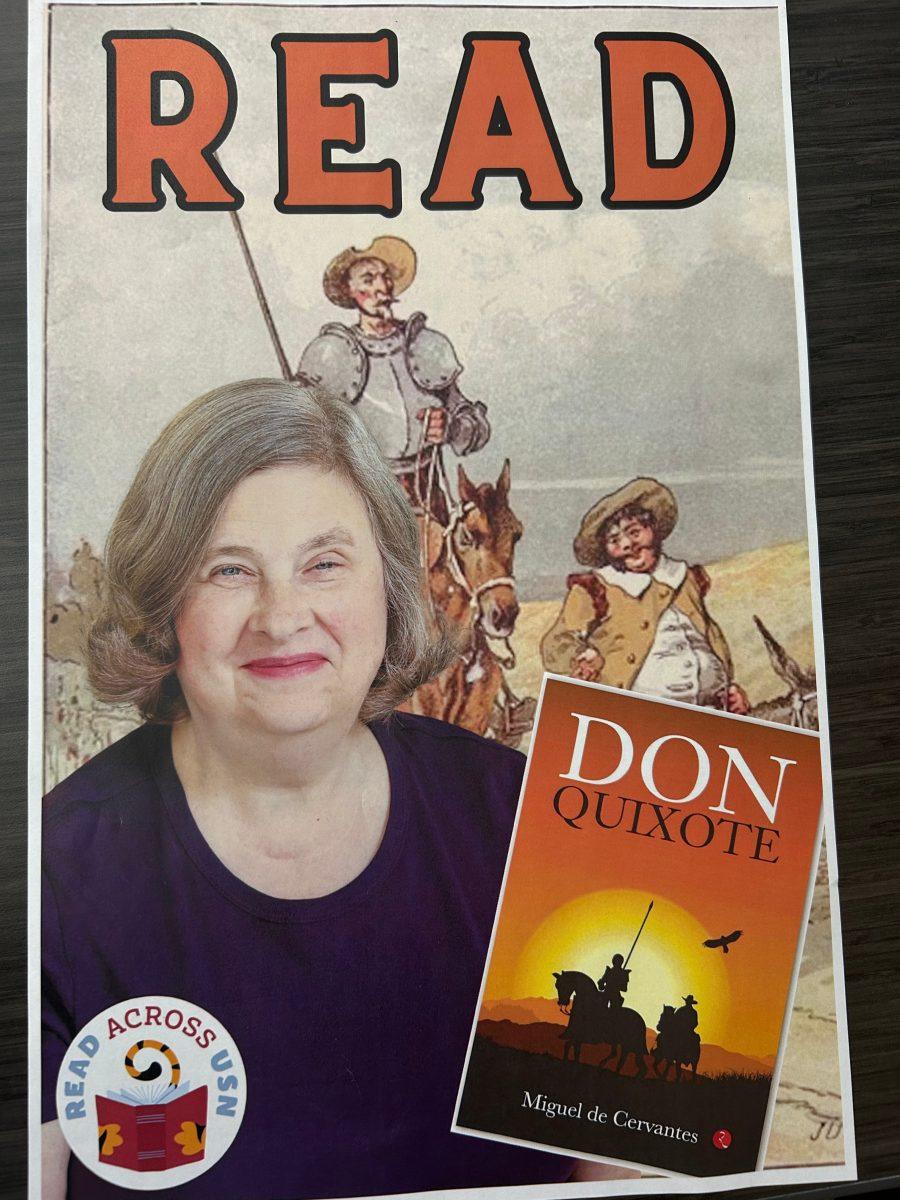
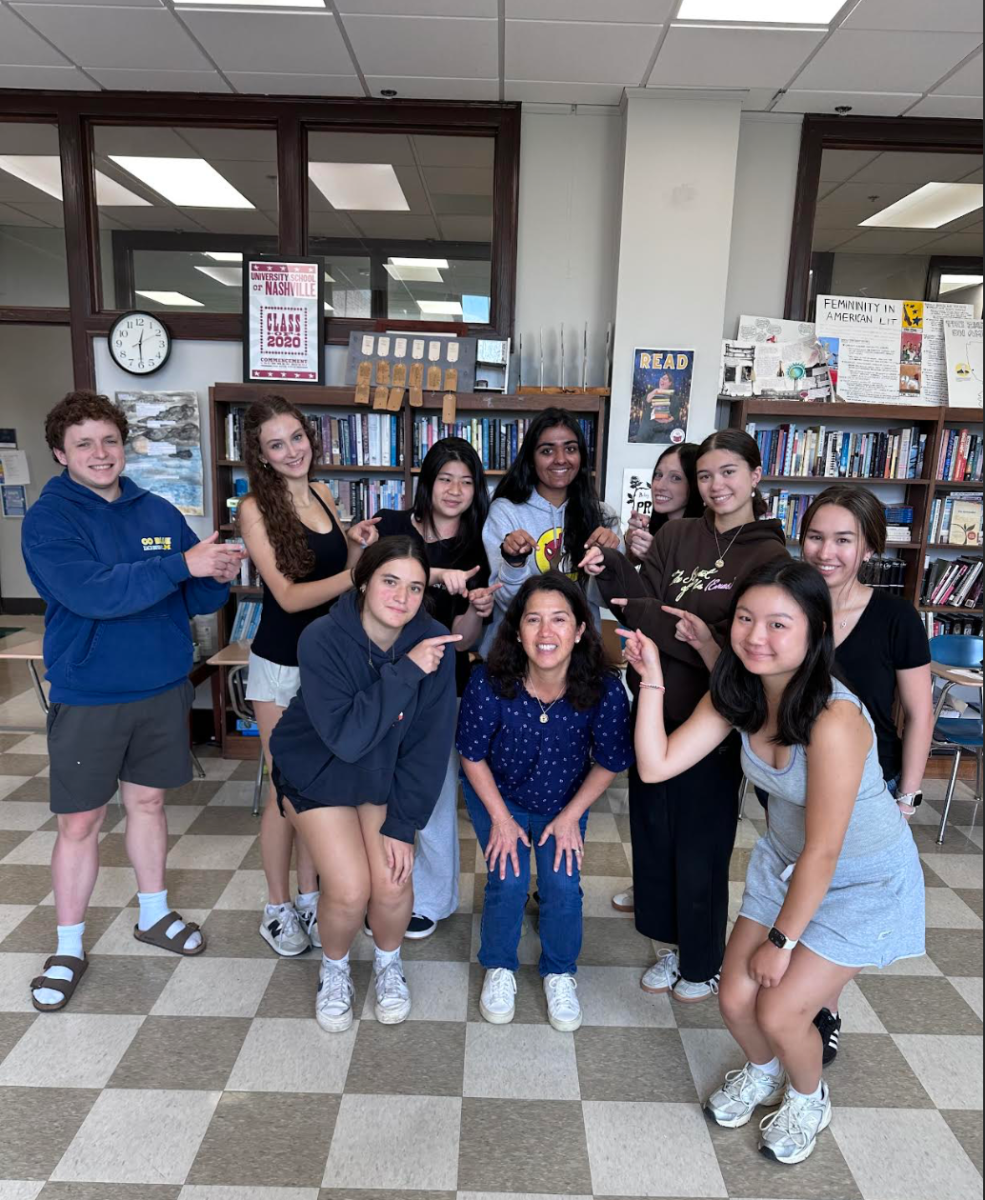
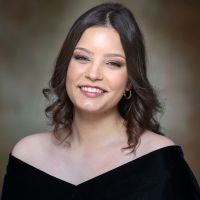


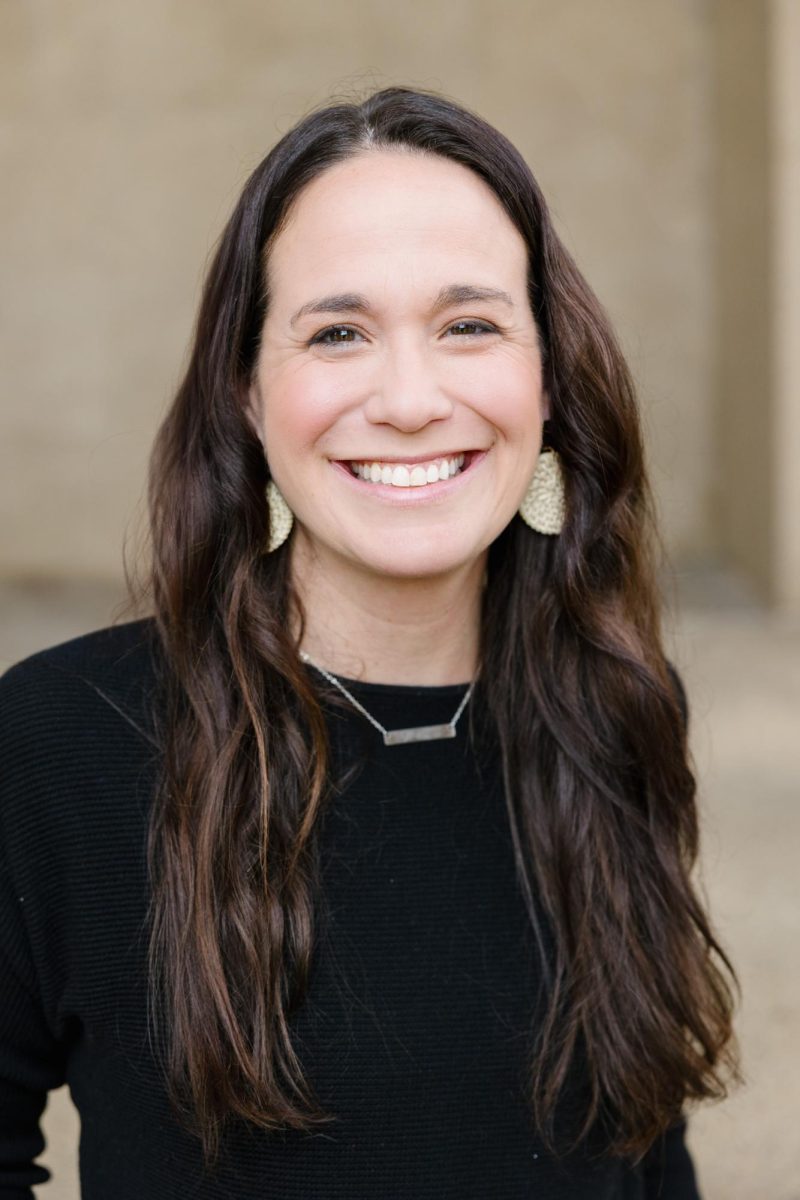
When Kalee Barbis arrives at the 19th Street doors each morning, she’s usually greeting students and teachers before the bell rings. Often seen smiling, she’s already envisioning new forms of applied learning for USN students. Barbis entered USN this year as the school’s K-12 Director of Experiential Learning, a new full-time faculty position.
“Experiential learning at its heart is learning through experience. I like to use Georgetown University’s definition: inquiry, problem, community, case, and project-based learning. It’s all about connection,” Barbis said.
Barbis’s long-term goal is to use USN to model applied, hands-on education to the city.
“My biggest hope is that USN can become a beacon of experiential learning within the wider Nashville community in the same way it’s known for its academic excellence. As an institution, we’re so privileged. I want us to share what we’re doing, whether through visits, projects, or a directory that teachers across the city can use,” Barbis said.
Not only does Barbis usher in ambitious plans, she also brings decades of pedagogical experience to the school. Prior to joining USN, Barbis had already founded three schools, including Templeton Academy in Nashville, which opened just eight weeks after she gave birth to her son. The pandemic hit soon after, testing the flexibility of her project-based model.
“I’ve started a school as a teacher, a director of curriculum, and as a head of school. Small schools mean you do everything, from hiring to unclogging the toilets. My experiences in leading schools taught me the value of adaptability,” Barbis said.
Barbis also helped establish the Washington Leadership Academy in Washington D.C., a computer-science-focused public charter school built with a $10 million grant from Laurene Powell Jobs’ XQ Super School Project.
“At WLA, our students had the highest English scores in the district. But more importantly, they learned to see how technology and ethics could overlap. We wanted school to feel like a college seminar, where students could openly discuss their creative ideas and apply them to the real world.”
At USN, Barbis’ approach already spans multiple divisions and grade levels. So far, she has coordinated a fifth-grade field trip to Project C.U.R.E., arranged a downtown Nashville walking tour for second graders, and helped organize the high school debate trip to China. Her work extends into supporting high school curriculum work.
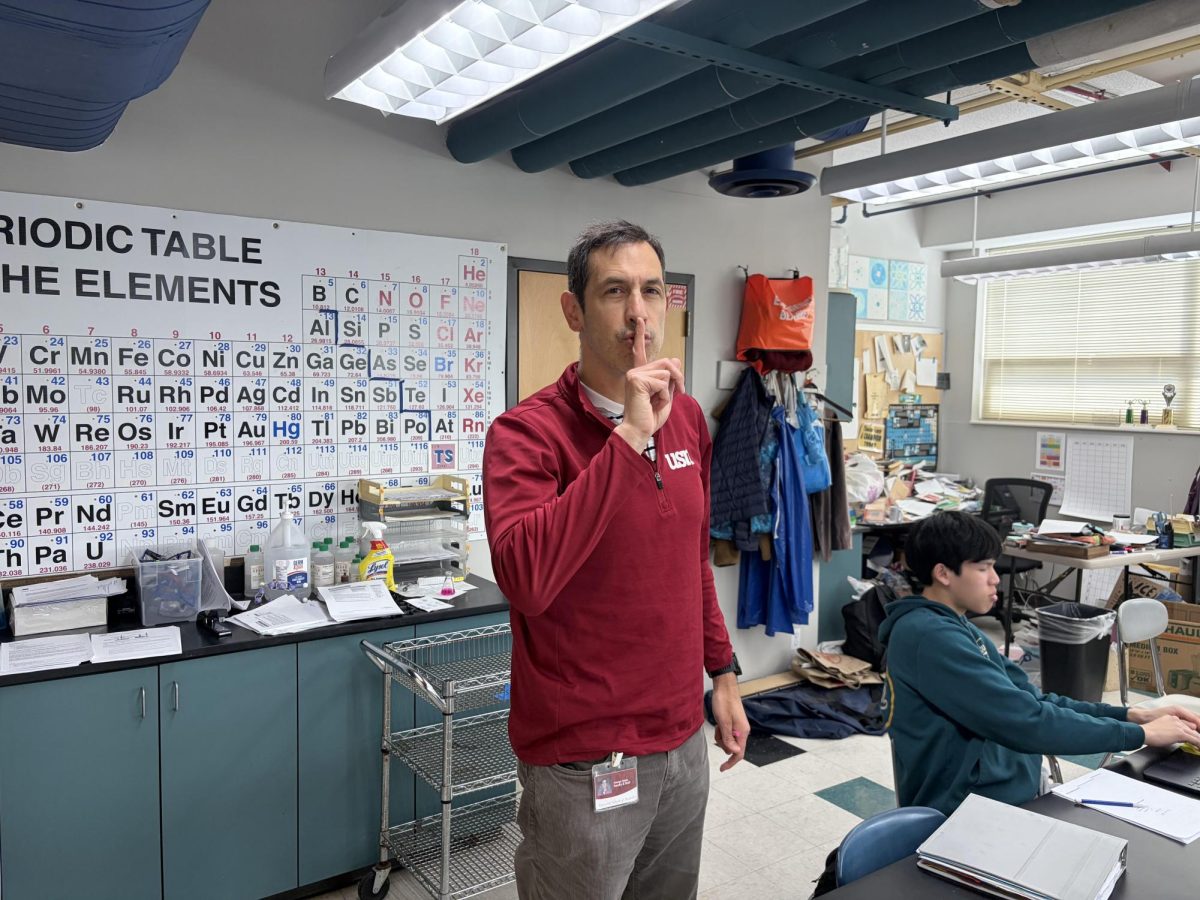
“In high school science, I’m currently supporting [chemistry teacher Susan] Meador and [science department chair Anne] Dervan as they build an applied chemistry syllabus. In lower school, we’re creating a hands-on math prototype where students build, test, and iterate ideas,” Barbis said.
Her work also focuses on building relationships with teachers across departments.
“I try to be at the 19th Avenue door most mornings when students come in, and at lower-school faculty meetings too. That way, when teachers think of something, they can say ‘We can ask Kalee for help.’ My goal is to be a thought partner for students and teachers in the community,” Barbis said.
Barbis also reflected on her belief that meaningful learning often comes from moments that break more basic school routines.
“When you ask anyone what their favorite part of school was, they almost never say a test. Most people will point back to experiences where a teacher made learning feel alive,” Barbis said.
She recalls an experience in her own high-school biology class when a teacher transformed the room into a mock crime scene.
“I walked in one day and the chairs were flipped. There was caution tape everywhere, and my teacher said, ‘Welcome detectives, this is the crime scene.’ That’s how we learned genetics. I don’t think students remember Thursday-morning quizzes, but they remember that,” Barbis said.
Her belief that learning should be based in application is guiding her plan to revive and expand USN’s community partnerships.
“For years, USN students tutored weekly at Brighter Days, but that partnership faded over the years. I don’t think any relationships are broken, but we have to mend them. When service is done with, not for, others, that’s when it becomes meaningful,” Barbis said.
Recently, Barbis returned from a leadership retreat organized by the Independent Schools Experiential Education Network, also known as ISEEN.
“We built a plan through 2040. Next year, I’m bringing someone from each division so that this vision feels shared, not top-down. Experiential learning only works if everyone has a voice in it,” Barbis said.
She is also reimagining how USN could integrate internships or Winterim-style programs into the academic calendar.
“Janet Scheinder [former Director of College Counseling and one of USN’s longest-serving former faculty members] invented Winterim here. I’d love to think about what it could look like in a more modern context, whether that’s time off campus working with non-profits, studying abroad, or designing independent projects,” Barbis said.
Looking ahead, Barbis aspires to develop a shared directory of experiential learning opportunities, connecting teachers across Nashville with field partners, speakers, and local organizations.
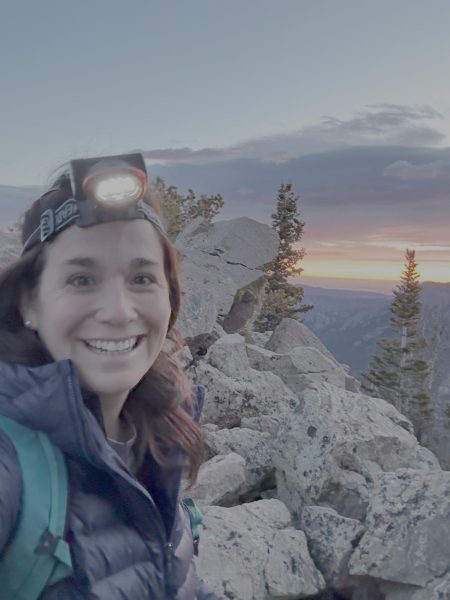
Outside the classroom, Barbis’ many life experiences have shaped her view of education. While studying abroad in Africa during her college years, she white-water rafted down the Nile River, and, at one point, was briefly detained by Ugandan police.
“It was wild, but it also taught me a lot about partnership and trust. You learn a lot when you’re working across cultures,” Barbis said.
Through her career, Barbis wants to allow all students to enjoy the benefits of seeing their education in the societies around them.
“I’ve always believed that every student deserves an ‘aha’ moment, something that makes them see the world and themselves differently,” Barbis said.
As USN’s first Director of Experiential Learning, Barbis hopes her work will help redefine what school can look like.
“If students leave here understanding that their education doesn’t end when they step outside the classroom, then we’ve done our job,” Barbis said.