by Jackson Schneider ’24
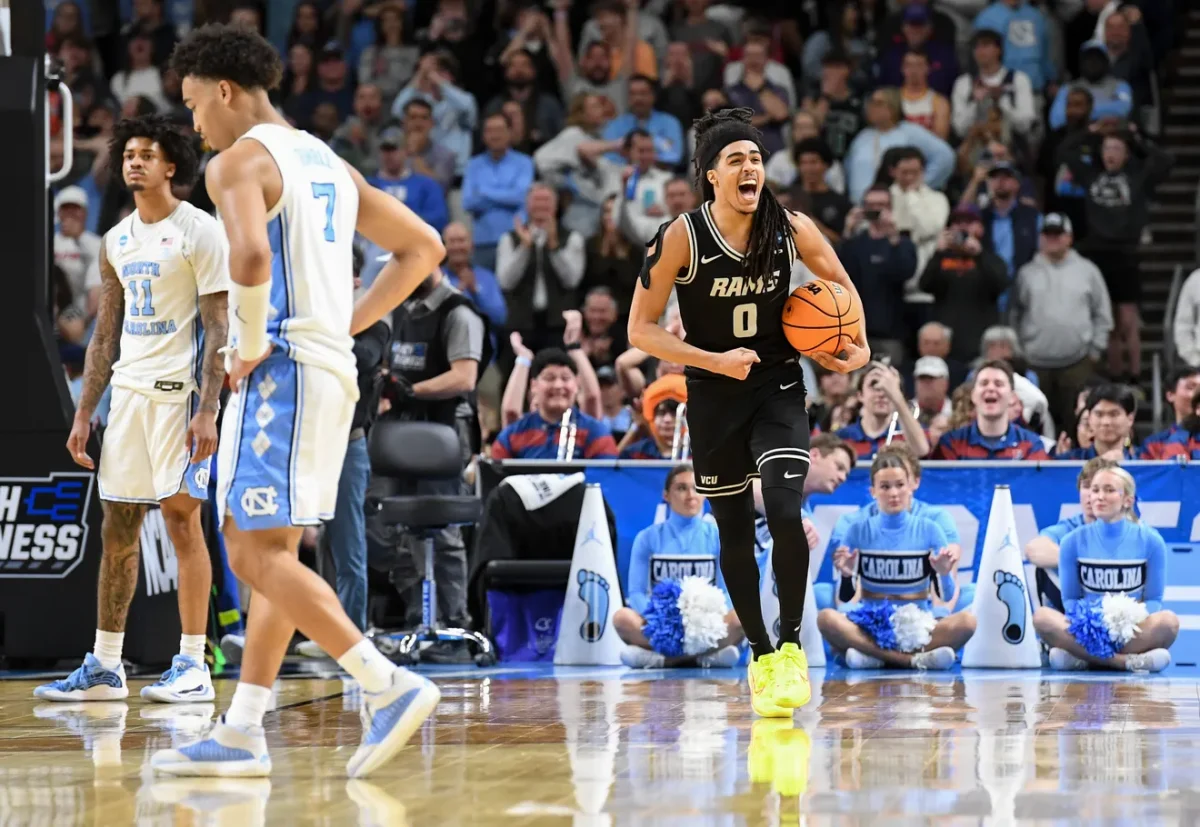
For years, college sports have been some of the most watched sporting events in America, whether it be the College football playoffs or March Madness. Despite the popularity of college sports, however, the athletes themselves were barred from profiting off of viewership for a long time. NIL deals are finally shaking up that landscape—but how they will alter college sports in a lasting manner remains to be seen.
In June of 2020, Florida passed a law that allowed college athletes to get paid by corporate sponsorships. Prior to the law’s passage, college athletes were not allowed to make any sort of income. Following the passage of the law in Florida, many states enacted similar legislation allowing student athletes to get paid through sponsorships. This became known as NIL (name, image, and likeness). Longtime followers of college sports recognized the importance of this change, as athletes have been advocating for compensation for decades.
That advocacy was catalyzed in 2005 when star USC running back Reggie Bush’s Heisman Trophy was rescinded due to his family accepting money from California agents, which broke NCAA rules. This caused outrage in the college football fandom, as many believed that Bush was both an athlete trying to help his family and a victim of unwarranted scrutiny by the NCAA.
The next big incident occurred a few years later when former UCLA basketball star Ed O’bannon sued the NCAA for using his likeness in a video game when he was not getting paid for it. This lawsuit caused the end of the NCAA basketball video game franchise and eventually led to the end of one of the most loved video game franchises of all time with the NCAA Football franchise which would end with its 2013-14 installment.
Players continued to advocate for better compensation since that incident, but the issue truly escalated just before the 2019 season. Star players in college football started to transfer for better opportunities. One of the first major players was quarterback Justin Fields, who transferred from Georgia to The Ohio State University for a better opportunity. Usually when a player transfers they have to sit out a year before being eligible to play, but Fields went to court and received a waiver to play right away. This was unprecedented in college sports.
That year, Ohio State went undefeated and was a controversial call away from the national championship game, with Fields being a Heisman candidate. The next off season saw a record number of transfers in both football and basketball, and they were all being granted to play right away. With players continuing to make college sports more like the NFL and NBA, in 2020 states finally granted student athletes the right to make money—this marked the transition to the NIL era.
The NIL era created a completely different way of putting together teams. If a school was not already home to a top program, recruiting elite athletes grew very hard as the process became more focused on money. Colleges resorted to the transfer portal and began recruiting athletes that were in their sixth or seventh year of college sports. The separation from the top teams in conferences to the bottom teams in conferences widened, and this caused the top teams of the power conferences to head to stronger ones where they could make more money. This all started with Texas and Oklahoma leaving the big 12 for the SEC. In a similar fashion, west coast powers Washington, USC, UCLA, and Oregon will join the Big 10 conference in the 2024 season.
Consequently, weaker conferences are scrambling to rebuild after stronger conferences took away their top teams. This eventually led to the probable demise of one of the longest standing conferences in sports: the Pac 12 is now the Pac 2, as the only schools that remain are Oregon State and Washington State.
While on the surface this does not seem like a big deal, this does have a major impact on the less-watched college sports like golf or swimming. For instance, the UCLA bowling could have to travel cross country to New Jersey to play Rutgers in a match as a result of conference reshuffling. This is unfair to those athletes, as the people who made these conferences were only thinking about the revenue sports and the money they were going to make instead of their students. Smaller schools will have to expend valuable resources to travel to and compete with larger schools.
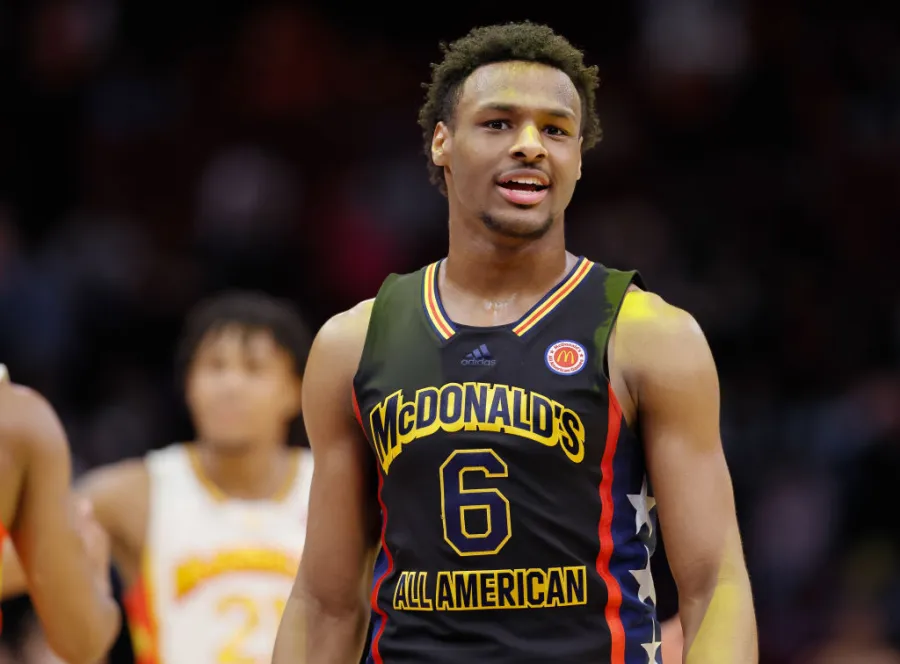
The state of college sports is very interesting right now, and nobody really knows what is going to happen with college athletes now making millions of dollars. The landscape of both college sports and professional sports is about to change dramatically.