by Zaharia “Harry” Stahl ’26, Guest Writer
February 2025
The opinions expressed here are strictly those of the sources interviewed and do not reflect the views of University School of Nashville or the Peabody Press.
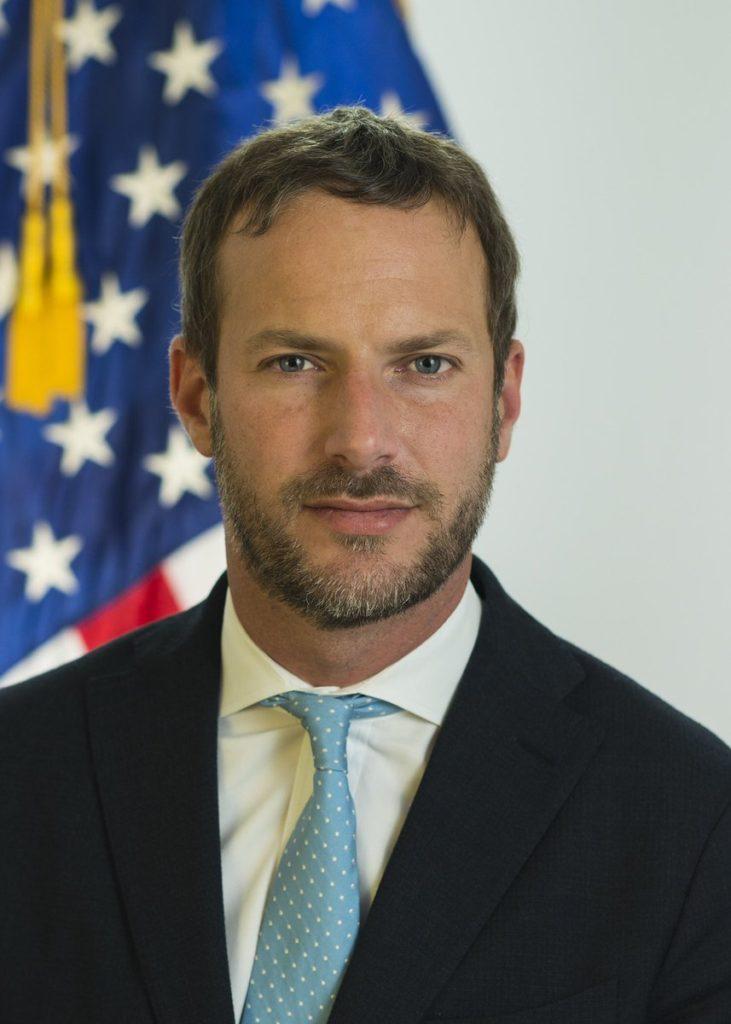
USN parent Adam Boehler is the nominee for Special Presidential Envoy for Hostage Affairs in the Trump administration. His mission is to bring every American hostage home and establish conditions to prevent future kidnappings. In 2020, he played a key role in facilitating the Abraham Accords, agreements that led to formal diplomatic and economic relationships between Israel and several Arab nations. His experience provides a unique perspective on the ongoing conflict in the Middle East and the broader fight against terrorism.
In this conversation, Boehler discusses the challenges of hostage negotiations, the importance of strong leadership in shaping foreign policy, and the impact of Israel’s military actions on regional stability.
Q: How would you characterize the conflict involving Israel, Hamas, Hezbollah, the Houthis, and Iran?
Ambassador Boehler: This is where the Abraham Accords ties to so many things. The goal is to be simultaneously pro-Jewish and pro-Muslim and pro-Arab. And people wonder, “How is it even possible that those things can exist under one roof? It’s supposed to be one versus the other.”
It’s not. It’s actually about uniting people and countries that want stability and peace versus those that promote instability and terrorism—with Iran being a key instigator directly and through its proxies like Hamas, Hezbollah, and the Houthis.
Israel happens to be doing a great favor for the whole world. Their actions since October 7 have dismantled Iran’s terrorist proxies and weakened Iran’s influence. For example, Israel boldly took out a significant amount of Iran’s air defenses and it’s been reported that they took down one nuclear site as well. This benefits not just Israel but the entire world, including Arab and Muslim nations.
Q: What do you believe motivated Hamas to conduct the October 7 massacre?
AB: Hamas miscalculated. They saw internal political debates within Israel regarding their Supreme Court as a sign of weakness, but democracy’s strength lies in its diversity of opinions. Their attack backfired, uniting Israelis and demonstrating resilience. Hamas underestimated Israel’s resolve.
Q: What counter-strategies can Israel and its allies employ?
AB: Israel must stay true to its principles, even amid criticism. It’s easy for others to comment without taking meaningful action. Israel’s strength and independence—as demonstrated by leaders like Prime Minister Netanyahu—are crucial for peace and security.
Q: What’s the current Administration’s strategy to bring all of the hostages held by Hamas and related groups home?
AB: We won’t tolerate hostage-taking. The President has made it clear there will be “hell to pay” if the hostages aren’t released. In this role, my work will align with the President’s directives to ensure all hostages in the region—not just Americans—are freed.
Q: Could you describe the recent ceasefire agreement between Israel and Hamas?
AB: It’s a ceasefire based on a phased release of hostages in exchange for prisoners. The first phase involves releasing 33 of the nearly 100 hostages. The goal is to move toward a second phase, securing the release of all hostages. Discussions over the ensuing weeks will determine what follows in terms of a long-term agreement.
Q: Does releasing convicted prisoners by Israel as part of the deal pose a security risk?
AB: There’s always a risk when convicted individuals are released. I would note that this exchange involves the release of innocent hostages in return for convicted criminals, some serving life sentences for murder, and that always poses a risk. However, Israel learned from past mistakes, like the 2011 release of Yahya Sinwar, who later led Hamas. Now, hostage releases require Israeli Supreme Court approval, ensuring tighter oversight.
Q: Does this kind of agreement incentivize future hostage-taking?
AB: If not managed carefully, it could. It’s a concern for both the U.S. and Israel. That’s why it must be handled with caution.
Q: Who’s in charge in Gaza following the death of Yahya Sinwar (former Hamas leader), and how does this affect negotiations?
AB: That’s an excellent question. With Sinwar gone, Hamas leadership is in disarray. At the same time, Sinwar needed to be eliminated because he was not going to give up until so many were dead; his leadership essentially held the Palestinian people hostage, making it difficult to move toward any solutions. Effective negotiations will require broader regional cooperation involving nations like Qatar and Egypt.
Q: What kind of governance arrangement will be necessary to fully conclude the war in Gaza and allow for lasting peace?
AB: Hamas cannot be part of Gaza’s future governance. They are a terrorist organization, and their leadership has led to destruction. Gaza’s current devastation is a direct result of Hamas’ actions, not just against Israel but also against its own people. A long-term solution must exclude Hamas.
Q: What steps can improve the welfare of everyday Palestinians?
AB: Eliminating terrorism is key. If we do that it creates stability which can open the door to economic normalization. From there the possibilities are endless, and for Palestinians, their lives will change. And it should eventually lead to a situation where peace can be had with Israel. All of these things can happen, but you’ve got to end terrorism to stop letting them dictate the agenda and exploit the suffering of Palestinians.
Q: How can peace be extended to Israel’s current adversaries?
AB: Iran is Israel’s primary adversary due to its support for terrorism. However, the Iranian people are not the enemy. With leadership change, Iran could join the region’s movement toward peace and prosperity.
Q: How do Israel’s broader security goals align with the effort to return hostages?
AB: Securing the hostages is a priority, but Israel must also ensure these events don’t happen again. Their recent actions have created possibilities for long-term peace and stability, but they must remain vigilant to protect their citizens and prevent future threats.
Q: What’s next in terms of international discussions?
AB: Israeli Prime Minister Netanyahu recently visited Washington for discussions on securing the return of all hostages and developing long-term strategies for stability in the region. The U.S. is also open to input from its Arab allies on practical solutions for Gaza’s future.
Q: What’s the biggest misunderstanding young Americans have about this conflict?
AB: Many think it’s complex, but it’s actually straightforward: it’s about fighting terrorism to allow people to thrive. Mixed messages create confusion, but the core issue is clear—terrorism must be stopped to enable peace and opportunity for all.