by Jackie Seale ’27
April 2024
Mock Trial is an organization that has been at USN for over two decades. In a nutshell, it is a simulation of a real trial that involves high school students acting as lawyers and witnesses attempting to win a case. Preparing for and competing in Mock Trial competitions can provide students with many skills valuable to future jobs and careers.
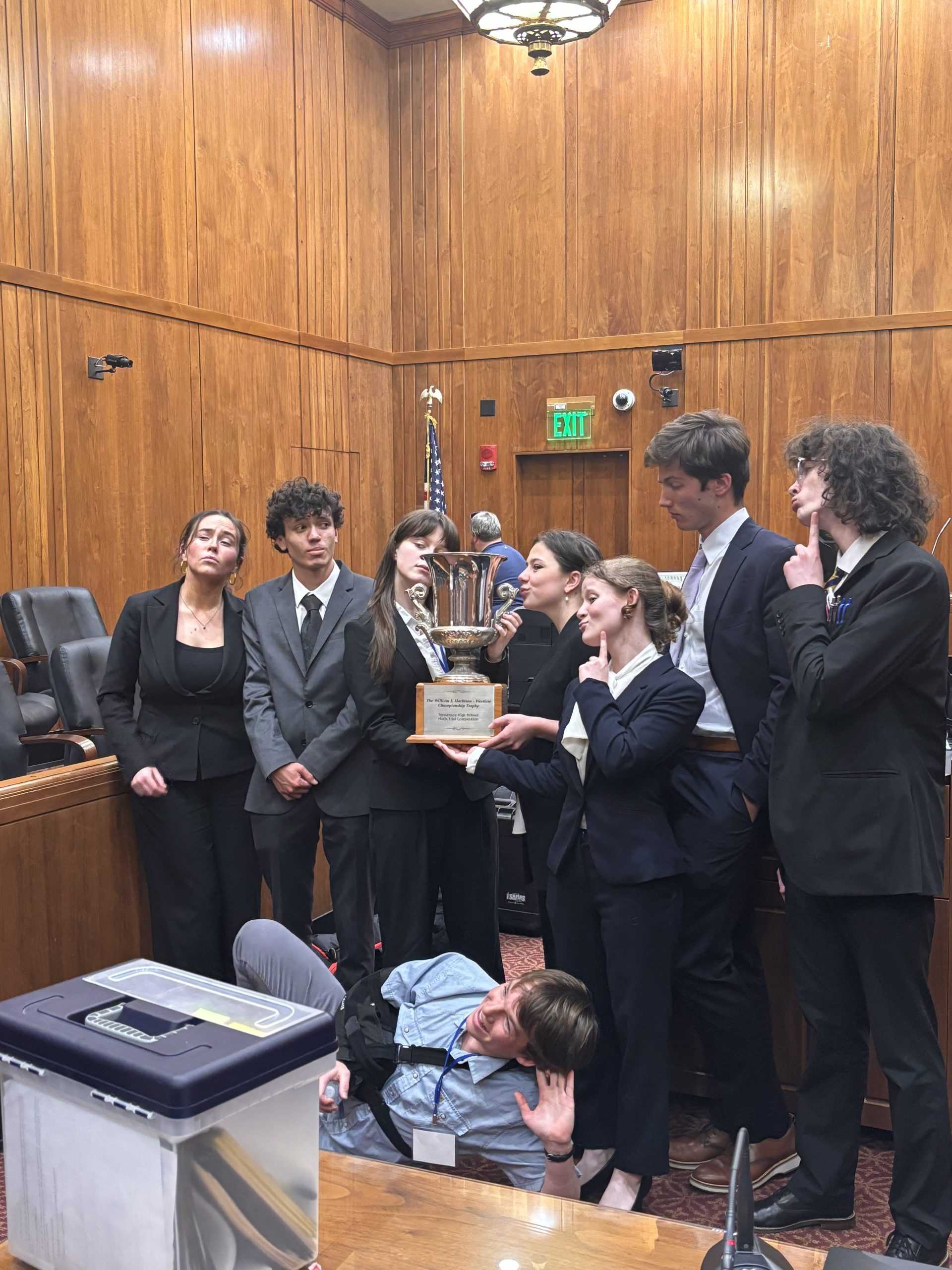
The Mock Trial team participated in their District Championship at the Metro Nashville Courthouse on February 23rd and 24th. The “A” team finished with a perfect record and proceeded to a final round to determine the first and second place teams. In the Championship round, USN beat Montgomery Bell Academy’s top team, which placed third at the National Championship last year. Placing first allowed USN to advance to the State competition for the first time since 2020, where the team secured their first-ever state championship over MBA.
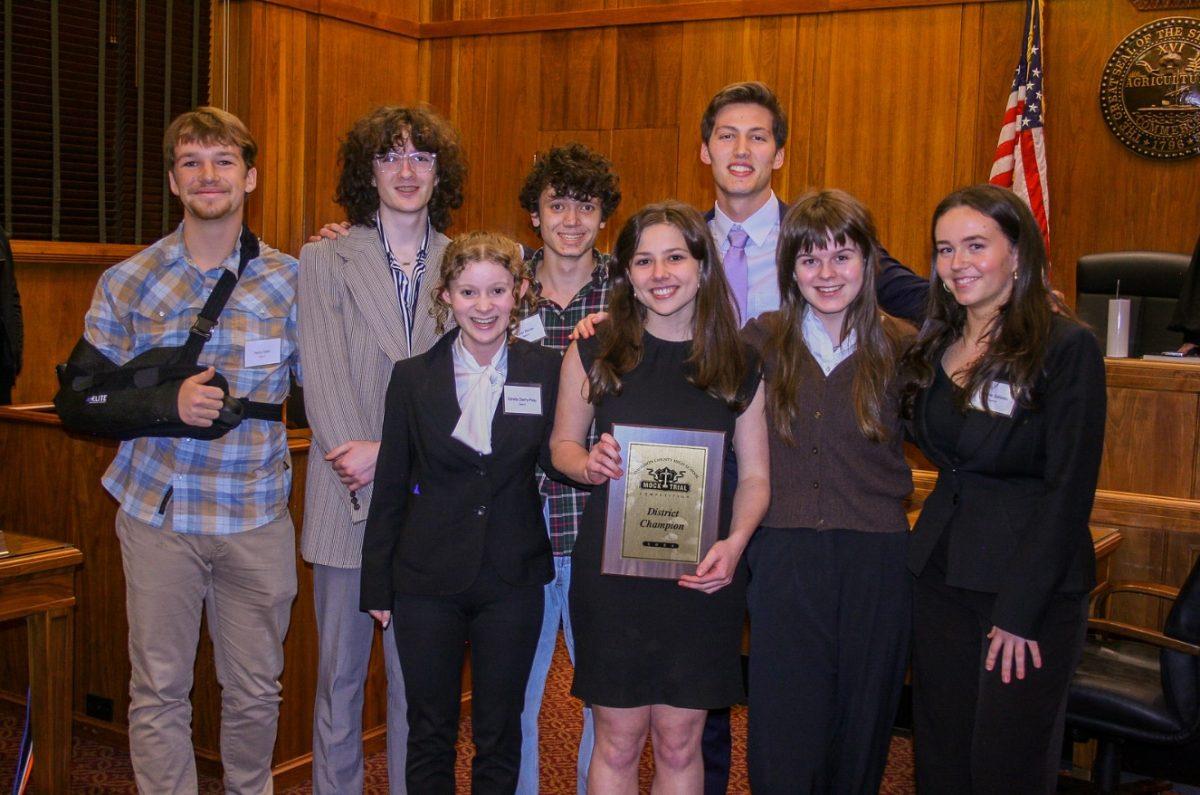
The team was excited about their big District win, and was even more elated that they got to go State.
“[Winning] was really gratifying because I’ve always known what this team was capable of. There’s some really talented kids at USN, and to see our hard work rewarded like this and to see my season extended my senior year was awesome,” Margot Ross ‘24 said after the District championship.
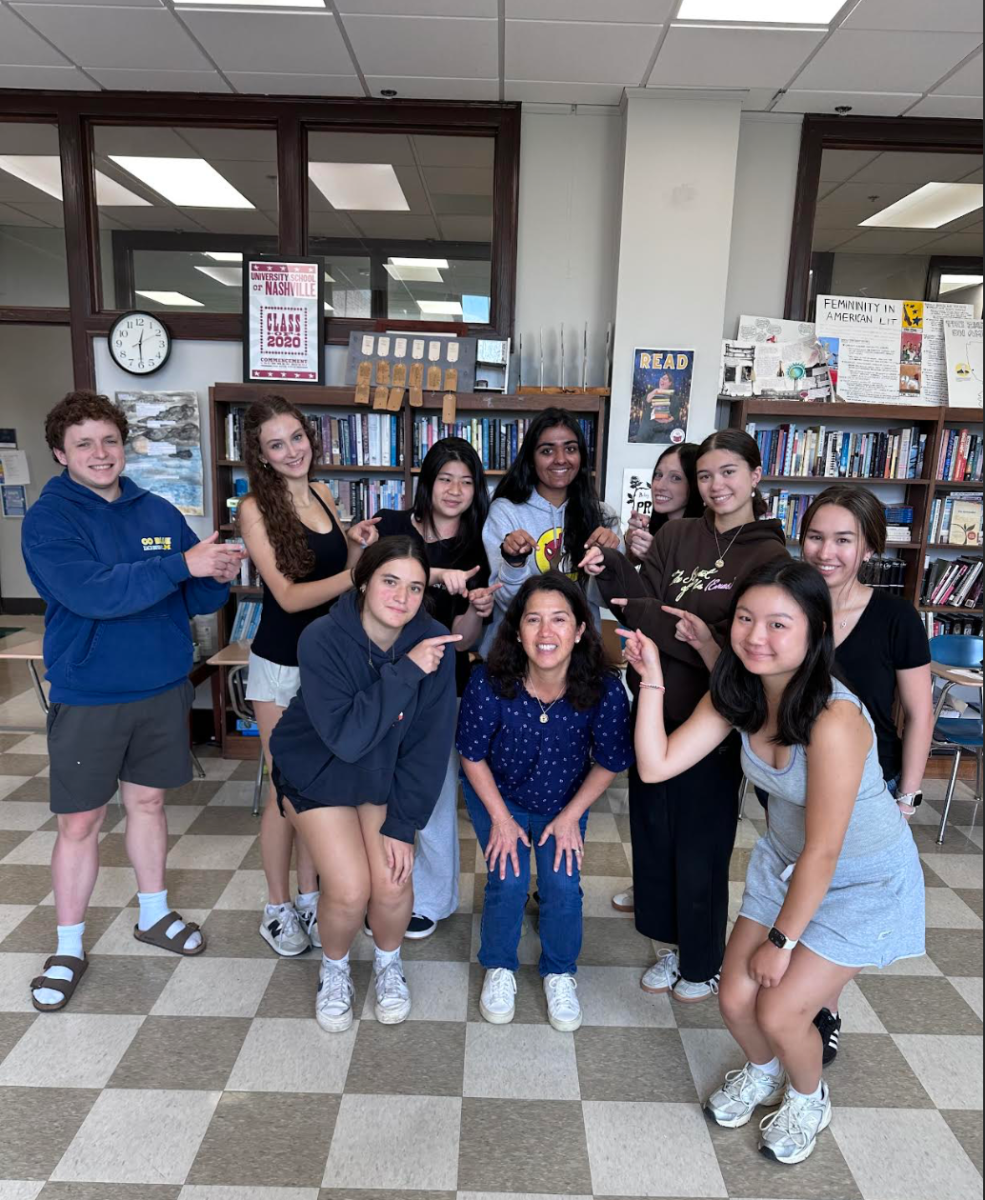
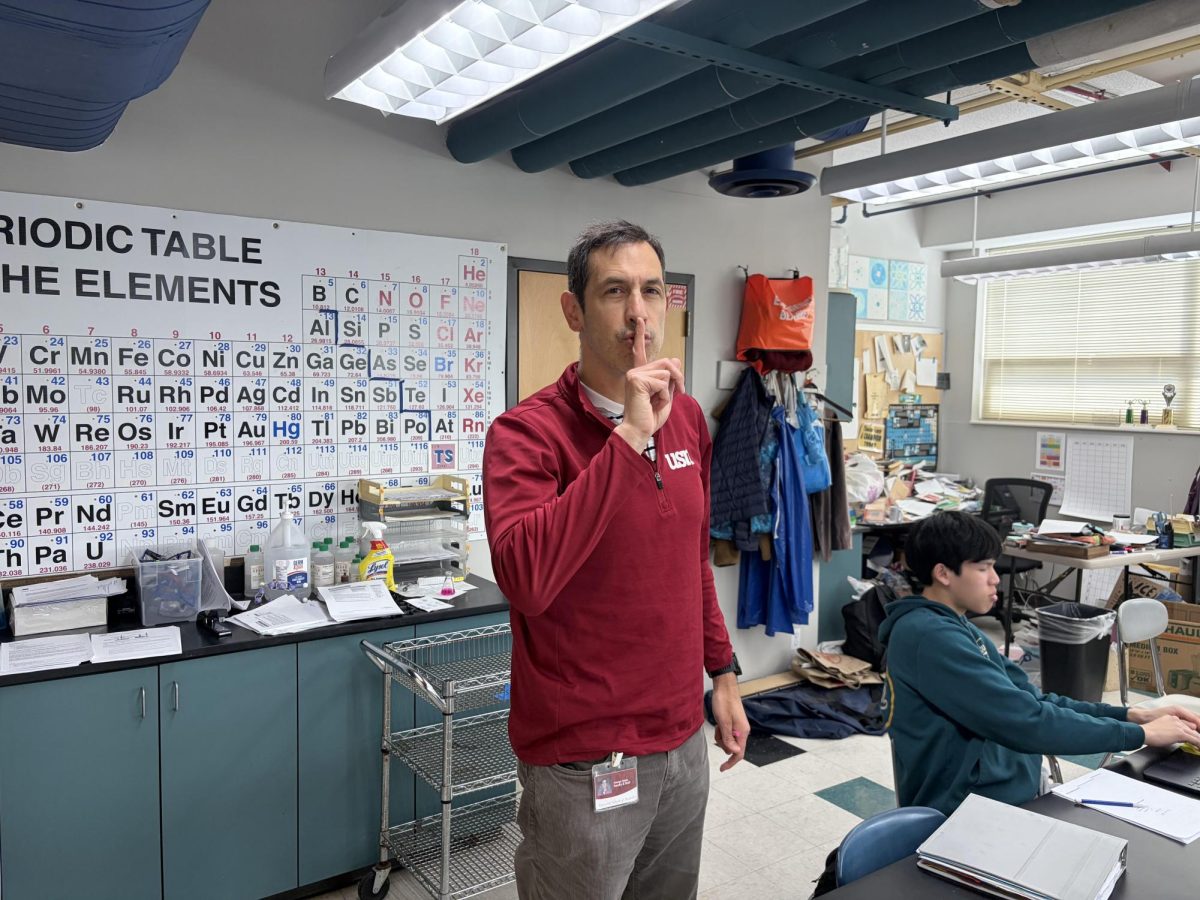
This year at USN, there are 17 students participating in Mock Trial, including three captains: Caroline Quinones ‘24, Margot Ross ‘24, and Xavier Warren ‘24. High school science teacher Wilson Hubbell serves as the faculty advisor.
Each year, the group splits into an “A” and “B” team. Typically, each team is composed of six witnesses and six lawyers for a total of 12 participants. This year, some students have “doubled up” to play roles on both the Prosecution and the Defense sides.
To start off the season, the Tennessee Bar Association creates a simulated case and sends it to all participating schools around Thanksgiving. The case alternates between civil and criminal each year. This year, the case is criminal.
Throughout November, December, and January, the teams develop separate theories on the case, hold auditions for specific roles, create witness identities, develop speeches, and practice.

For the prosecution and defense, there are witnesses and lawyers. As in a normal trial, the lawyers present the case, perform direct and cross examinations, and make closing arguments. Hubbell discussed the level of preparation required for the trial.
“It has to be rehearsed so many times that you’re ready to think off the cuff,” Hubbell said.
The witness roles involve much more improvisation than lawyers. Witnesses create a detailed identity for a person who is significant to the case. During the examination of a witness, a lawyer will ask questions about the identity the witness has built, using certain aspects to support their case.
“[The trials are] like 20 to 40 percent improv. You can prepare and prepare, but you don’t know what your opponent is going to argue or what witnesses they’re going to call until you’re in the courtroom, so you have to be really ready to be able to think on your feet,” Hubbell said.
Occasionally, there will be Mock Trial scrimmages between schools. This allows the teams to practice their presentation against others. However, scrimmages present a risk of disclosing information about a team’s strategy, which could be used against them in the real trial.
“Most schools don’t compete with each other until the competition because there are secrets about your case that you don’t want to divulge,” Quinones said.
Scrimmages tend to be unusual because of this risk, and this is why USN has only had one this year.
Each year, the District Championship is held at the Metro Nashville Courthouse, where real lawyers act as judges. Rounds typically last two hours, and each team calls three witnesses to help support their argument. It may seem like you have to have the facts exactly right to win the case. However, succeeding in the competition requires more than having the best argument.
“It’s not about talking really fast. It’s about telling a really good story,” Hubbell said.
Warren concurred that presentation is highly important to success in Mock Trial.
“We all have the same facts, but it’s all about how you present your evidence in the best way,” Warren explained.
While the emphasis on presentation makes cases more difficult to win, it better simulates a real trial and encourages the students to present their arguments in a cohesive and logical way. Another important factor in Mock Trial is confidence.
Quinones shared a saying that she and Ross often use: “Delusional confidence always wins.”
“When you’re a lawyer, even if you’re saying something that doesn’t make any sense, you have to practice articulating your point and being very direct and knowing that you are right, even though you could be saying something that doesn’t make any sense,” Quinones stated.
Mock Trial is very similar to a real-life trial. All of the rules and laws used in real courts apply.
Two practicing attorneys and USN alumni, Ben Raybin ‘03 and Ned Hildebrand ‘06 are volunteer coaches for the team this year. They help team members learn those rules. They both shared how their experience in coaching the team at USN has gone this year, and what their roles as coaches are.
“Coaching at USN is a lot different than coaching was at the other school I coached at. USN is a lot more student-driven. The captains are the ones who have final say on who does what, on case strategy, on practice times, scheduling, the itinerary of what we’re going to do and when,” Hildebrand said. “Our role here is more providing feedback, suggestions, listening to and helping the students answer any questions, things like that.”
Raybin agreed.
“We generally just kind of offer suggestions and feedback, and we’re not telling them what they should do because we trust them to do that on their own,” Raybin said.
Participating in Mock Trial is excellent if you’re preparing to be a lawyer, but even if you aren’t planning to take that career path, it provides students with helpful skills for life.
“When you’re practicing being a lawyer, usually it’s super fun and it makes you kind of want to be a lawyer. But if it doesn’t make you want to be a lawyer as your future career, it is really good for practicing articulation and practicing public speaking and practicing communicating your point very clearly, and also arguing,” Quinones said.
If you are looking to get involved in Mock Trial next year, look for emails from the new captains, an interest meeting, and a few preliminary practices before the case is released.
“The captains are going to make it very obvious, they are going to send out emails … There is going to be an interest meeting at lunch. Basically, if you want to participate, you’re a part of the team,” Quinones said.
Ross added, “Definitely our team is mostly juniors and seniors right now … we really need more people.”