USN has begun a comprehensive athletics audit, the first full-scale evaluation of the department in 18 years, aimed at assessing program structure, identifying areas for improvement, and ensuring that athletics remain aligned with the school’s broader mission. This audit, which will bring in outside professional evaluators, is designed to critically look at everything from coaching support to facilities, scheduling, and the student-athlete experience.
“The goal of the audit is to review our department in terms of how it is structured and seek out areas for improvement. It’s a chance for an outside group to help us do some SWOT [Strengths, Weaknesses, Opportunities, Threats] analysis, especially looking at how [athletics] is organized and how [the department] supports coaches and student-athletes,” Scouten said.
Scouten wants the audit to serve both reflective and refinement purposes for the athletics department. He sees the audit as a way for USN to better articulate the wider role athletics play within the school’s identity.
“We want to tell the story of USN sports as a part of the bigger narrative about what the school is about,” Scouten said.
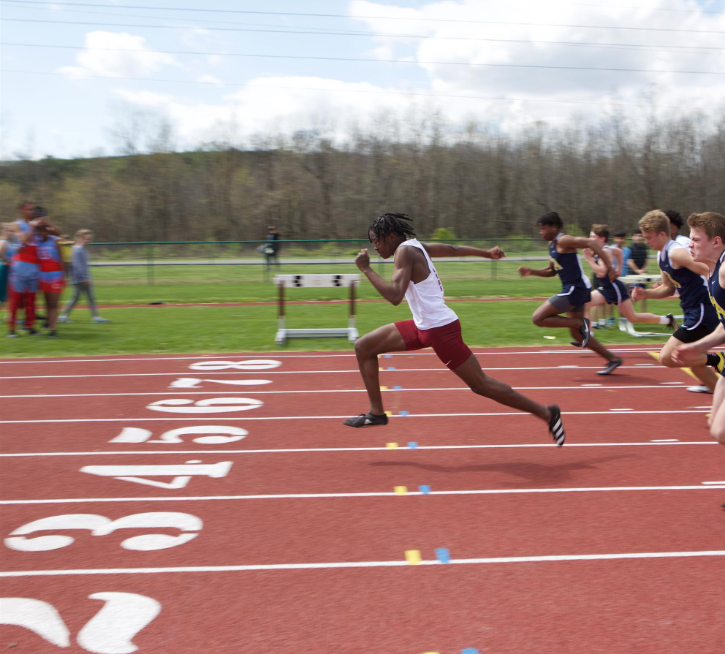
Even without a sports requirement, 81% of high school students participate in at least one sport during the school year, according to Scouten. This number excludes PE classes and outside-of-school athletic activities.
“We have a lot of talented coaches who do great work, and the relationships between our coaches and students are strong. I hope that comes through clearly in the feedback we get,” Scouten said.
Aria Little ‘27, who serves on the High School Student Athlete Advisory Committee (SAAC), shares a similar outlook.
“I’ve had a very positive experience. Coaches work hard to support players, even when there are wide levels of skill. And because USN doesn’t do cuts, everyone has the chance to improve,” Little said.
Although Little enjoys participating in sports at USN, she acknowledges the difficulty in balancing advanced coursework with playing three varsity sports year-round.
“I think it’s difficult day-to-day, especially with the rigor of junior year. But having athletics as a way to blow off steam also helps. Coaches also understand that academics come first. You’re always a student before you’re an athlete,” Little said.
Scouten mostly agrees with Little.
“Balancing USN’s academics with sports is a challenge, but it’s also an opportunity for students to learn life skills. They’re navigating long-term commitments, managing rigorous coursework, and competing at a high level. That’s meaningful,” Scouten said.
Scouten also acknowledges the River Campus’ distance from USN’s impact on time management.
“Because our fields aren’t right outside the door, transportation takes more time. However, we recently installed a new lighting system at the River Campus, so more students will have the ability to practice and play games without relying on daylight. We believe the new lighting system could open up more scheduling opportunities for students to manage their time efficiently,” Scouten said.
Even as USN upgrades its facilities through new lighting installations and other improvements, Scouten notes that the school must still think about long-term sustainability.
“We’re a hundred-year-old school. The River Campus is about 35 years old now. What does sustainability look like moving forward?” Scouten said.
Little also believes facility improvements could also benefit training outcomes for students.
“The Edgehill [neighborhood] is often really congested. Upgraded facilities, especially expanded practice spaces, would be so helpful. Communication between coaches during seasons would also make the use of space more productive,” Little said.
In implementing the audit, USN designed its approach to incorporate perspectives from across the community. Student groups in both the middle and high school participated, families submitted feedback through various channels, and coaches engaged in interdepartmental conversations. The auditors spent two and a half days meeting with a variety of the aforementioned stakeholders and administrators from across the school.
“We wanted this to be a broad community process. Lots of USN community members provided feedback,” Scouten said.
While the audit’s results have not yet been released and will come out in early January, Scouten outlined several potential areas for advancement.
“We’ll need to see what the audit actually says. Does support look like adding more coaches? More staff? More opportunities outside the regular season like clinics, camps, or development programs? What enhancements will allow us to stay true to our mission?” Scouten said.
Another key area Scouten highlighted was compensation and retention.
“We’re looking at how we compensate our coaches compared to peer schools. We want to make sure we’re training great people,” Scouten said.
Little hopes the audit will strengthen communication and systems that directly impact athletes.
“I hope [the audit] bridges the gap between students and the athletics administration. And I hope it helps streamline issues around transportation and facilities,” she said.
Culturally, Little thinks athletics at USN is defined by growth rather than pressure.
“USN focuses on playing a sport to improve, not just to win a championship. If you get too obsessed with being number one, [sports] stops being about becoming a better person and player,” Little said.
Little also emphasizes the support she’s received from teammates across grade levels.
“I’ve had such a positive cultural experience. It’s easy to connect with upperclassmen when you’re an underclassmen; that’s just the kind of place [sports] is,” Little said.
Scouten hopes the athletics audit reinforces a student-centered ethos in a similar fashion to USN’s commitment to student-centered education.
“A healthy athletics culture has collaboration between departments, strong support systems, and an emphasis on social and emotional development. It’s not just about athletic skill—it’s about being a good teammate and a good person,” Scouten said.
As USN prepares to receive the audit results, Scouten is focused on how the findings can help the school’s athletics programs improve student growth and well-being.
“What can we glean from the audit that will help us remain focused on students? That’s a key part of what USN is all about,” Scouten said.
Little also shared her hopes for the audit.
“Being a student-athlete is difficult, but it’s worthwhile. If the audit helps make that experience even better for future students, then it’s doing its job,” Little said.