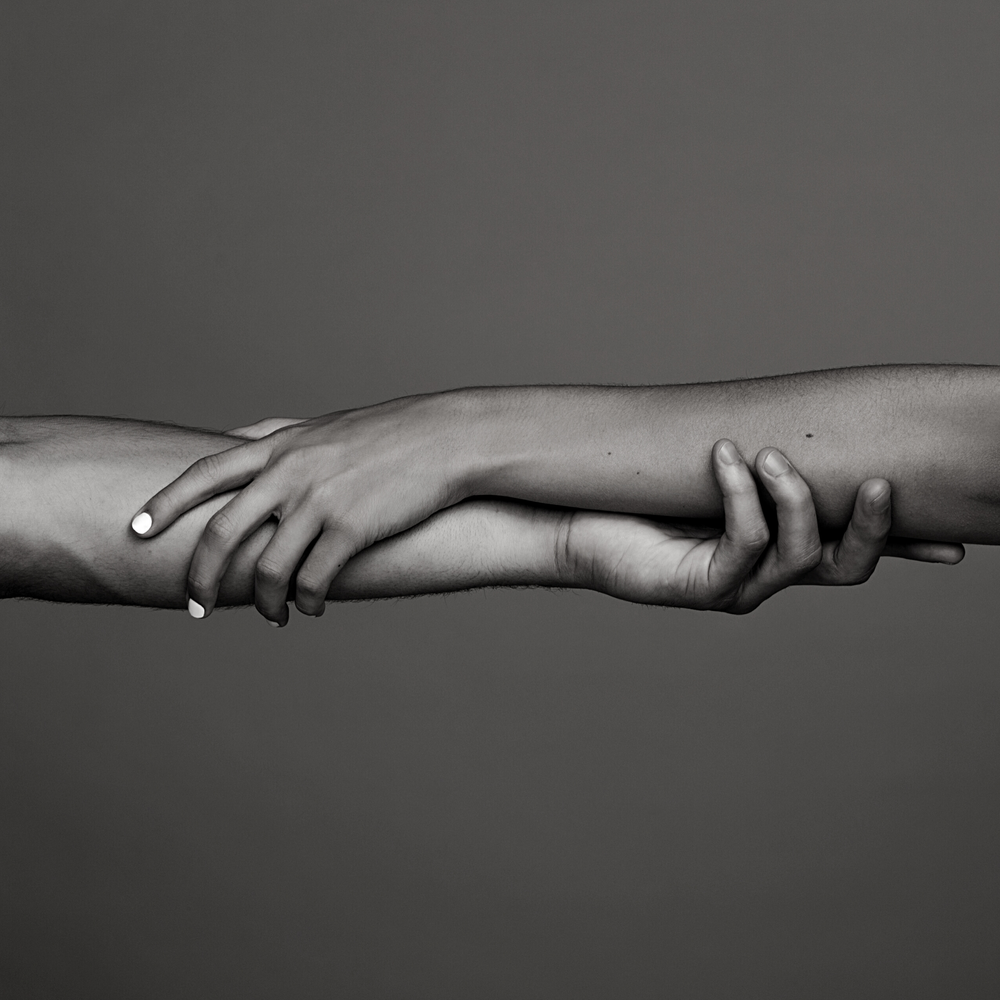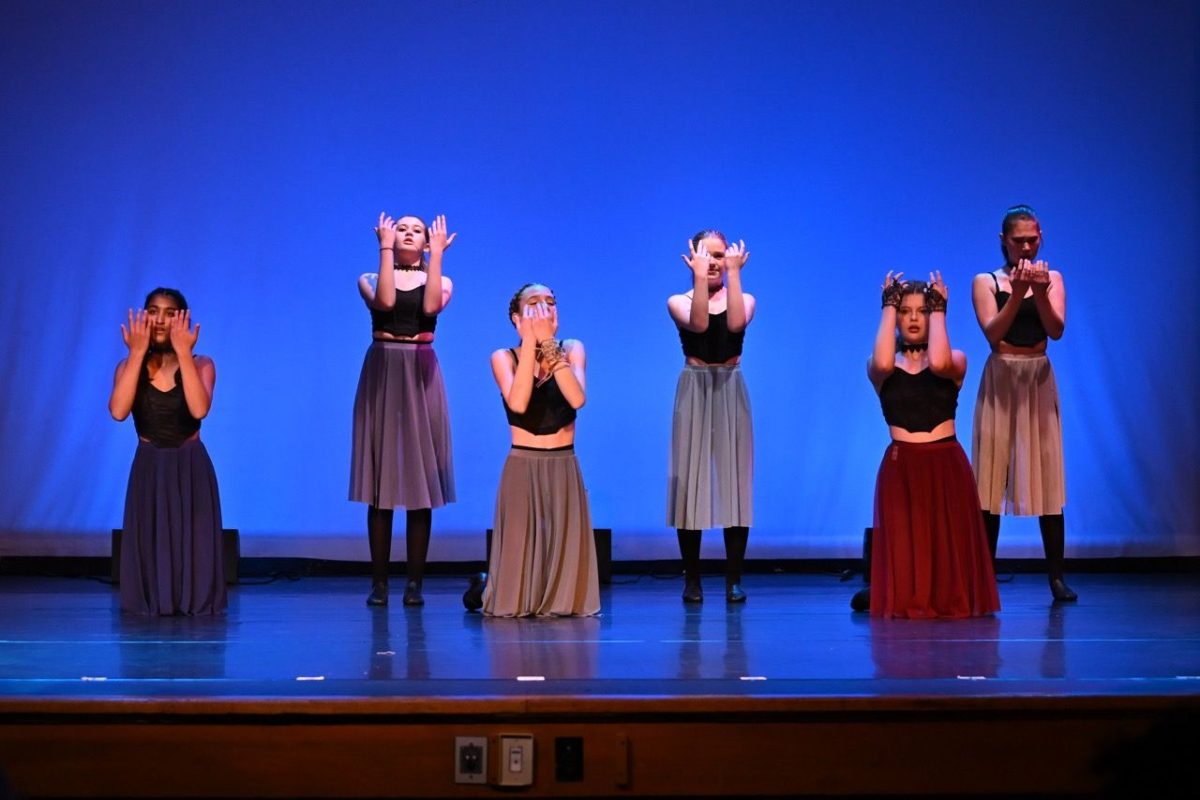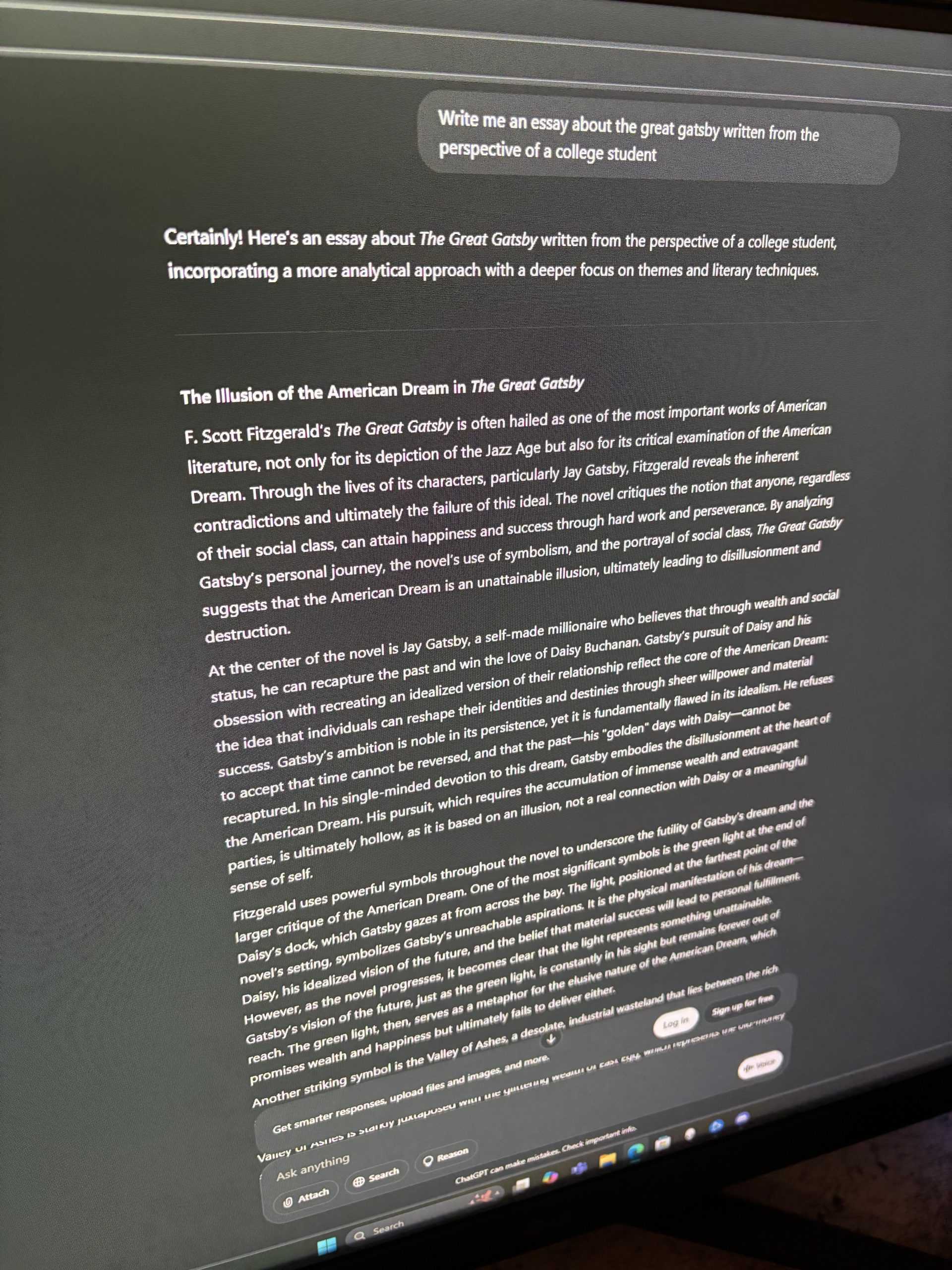
In the last three years alone, Artificial Intelligence (AI) has transformed modern life. Currently, people in every sector are discovering new ways to integrate it into work, culture, and life. USN is no exception to this change.
Simplistically, generative AI chatbots like ChatGPT are trained on data from the internet. This means that to create their output, they first view millions of works produced by human creators. Then, when asked to produce a sentence, they choose the most likely first word from their training data. And then the next one after that, and so on.
That ability soon extended far past being able to respond in conversation; now, AI models can compile their data to create images, music, and even search results on Google.
The Peabody Press polled 52 USN students at random on May 1, and 22 responded. The majority (38.1%) said they used AI every few days for uses like research, recipes, and as a substitute for search engines like Google.
However, AI models have been under mounting criticism since their usage became mainstream. The practice of taking work from millions of artists and writers without permission to train these models put the originality of their creations into question. And, although they can easily complete mundane tasks like data entry, they can also create work once seen as uniquely human, like poetry and art.
This creates a new challenge for instructors attempting to teach students who have access to AI tools. On one hand, the students of today will likely need to use them in their careers. On the other, it’s undeniable that learning suffers when student work is supplemented with AI.
English teacher Robert McKay has noticed a difference in student writing since AI became widely available for student use.
“In general, the writing has become more mechanical, the language is flatter,” he said. “It doesn’t sound like the way a normal teenager would express themselves, so it makes the writing more generic.”
McKay commented on English teachers’ abilities to police student misuse of AI.
“There are definitely situations where you just can’t tell, and AI is getting better and better. But I do think once you’ve seen enough examples created with, say, ChatGPT, you recognize patterns in the way that [it] likes to write about things.”
When AI first entered the mainstream, McKay said, students spent time experimenting with it in obvious ways. Then they might have gone with a subtler route, like filtering their work through an AI to enhance it. He says this can push students into a cycle.
“It does become more habitual,” McKay said. “If you get into the habit of not doing your own writing, then when it comes time to do your own writing, you’re going to be scared. So they fall back onto this crutch they’re using.”
McKay believes this pattern will affect students in the future.
“I think it affects you in terms of lack of confidence, because this is as safe a place as any to learn,” he said. “If you’re not using your opportunities now to try on your own writing voice, then it’s going to be harder for you to tap into that and learn from that later.”
There seems to be a perception among students that their peers use AI more frequently than our survey displayed students actually do. 72% of respondents speculated that their peers used AI more than half the time to complete important assignments. However, 86.4% of students said they had never used AI to complete a major project.
McKay does see situations where AI can be useful. He thinks that it can be a valuable tool for doing research, organizing ideas, and saving time. He hopes that it can complete monotonous tasks, even within the writing space, to free people up to do more valuable tasks. However, he believes AI may impact the way writing in general is viewed.
“It opens up fruitful discussions about what good writing looks like…ChatGPT can create a nice sort of essay, but when you compare it to a human essay you see the differences just in terms of texture and voice,” McKay said.
He also weighed the quality of human-made work.
“It can be useful to look at these comparisons and think about why we think that this machine generated expression of ideas is somehow equal to this human generated group of ideas, to look at some of the differences between them, and to think about what good writing really is.”
“What do we really want to think of as good? If AI can generate this thing, what does that tell us about what is really valuable in terms of originality?” McKay said.
Five students surveyed spoke out against AI being used to create artwork, and several others called it immoral or mentioned the environment as a concern. One student said that AI can be used as a tool, but that the art it creates is unethical and false.
A study peer-reviewed and published in late 2024 found that, in general, humans cannot distinguish AI poetry from that written by humans. They also, on average, preferred poems written by AI, and found them easier to understand.
McKay had heard about this study.
“I think that really says more about the fact that [our society] hasn’t really educated people well in terms of being able to handle complexity. And so people like the things that are simple. I think the same thing is true if you get dependent on using ChatGPT. Then, when you have to handle something that’s more complex, even if it’s just making a decision about your life, you’re not going to be as capable of doing it,” he said.
Peyton Peglow ‘26 also feels that AI usage impacts student growth.
“I don’t believe AI should be used whatsoever for school assignments, especially for writing. Properly engaging with a work’s themes, ideas, concepts, and so forth requires thought and effort, yes, but it’s an incredibly rewarding process which develops your abilities to think critically and deepens your understanding of a work and the underlying experiences which comprise it,” Peglow said.
“Using AI in such a way is tantamount to plagiarism; you’re using ideas and writing not your own to get a grade on an assignment. Where is the learning, the art, the connection to your humanity in that?” Peglow added.
It’s become obvious that everyone, particularly English teachers, will be forced to reckon with AI. Corporations from Google to McDonalds seem hell-bent on incorporating it into every niche possible, including students’ education.
In many cases, AI can make life more efficient. But perhaps that efficiency comes at a cost. If a person grows up with access to a tool always able to think for them, will they still be able to think for themselves?