by Yvonne Wang ’27
December 10, 2024
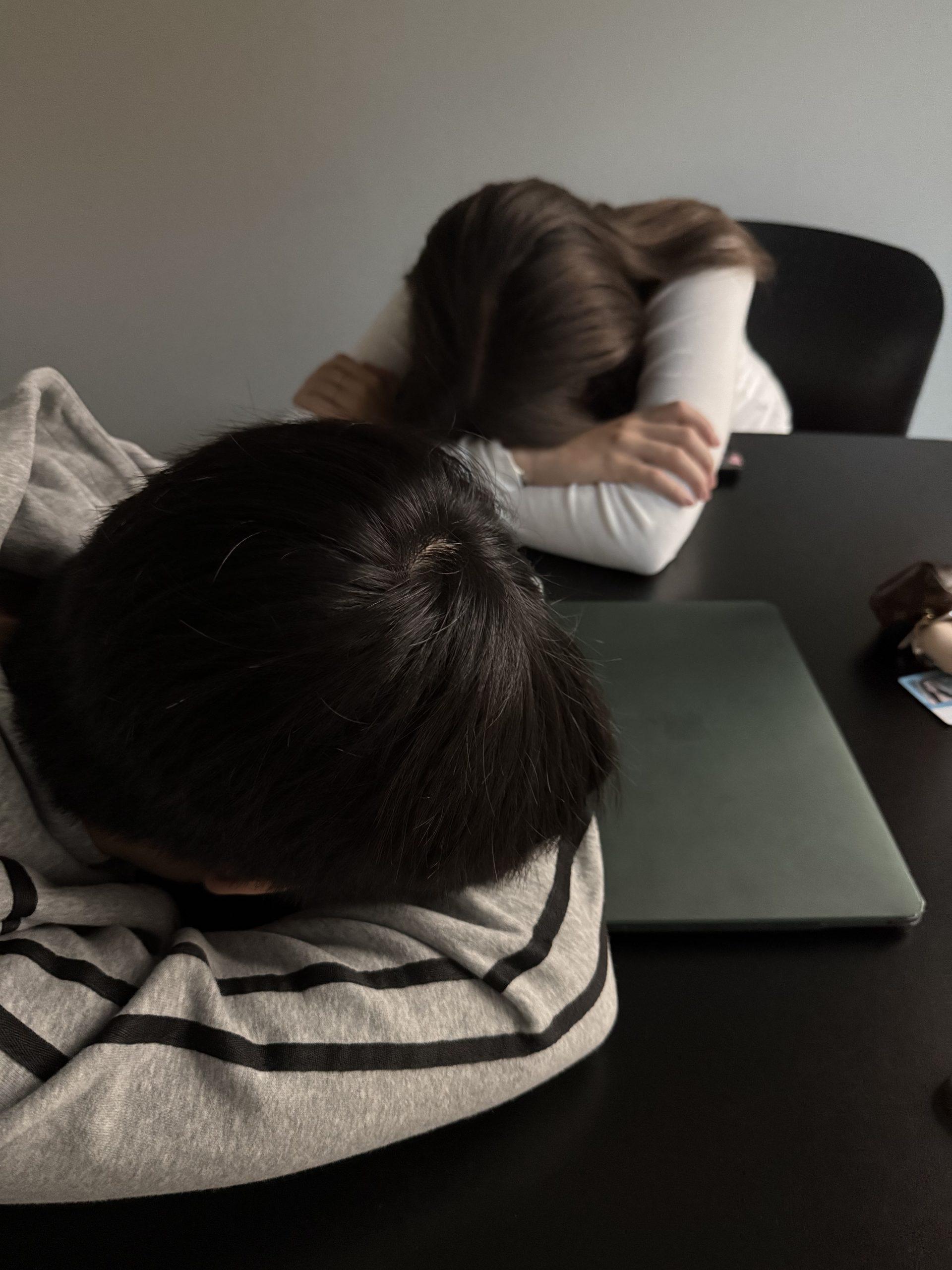
Sleep deprivation is becoming a common issue that many students struggle with during the school year. Across campus, it’s clear that sleep deprivation is more than an occasional challenge—it’s a widespread issue with real effects on student life.
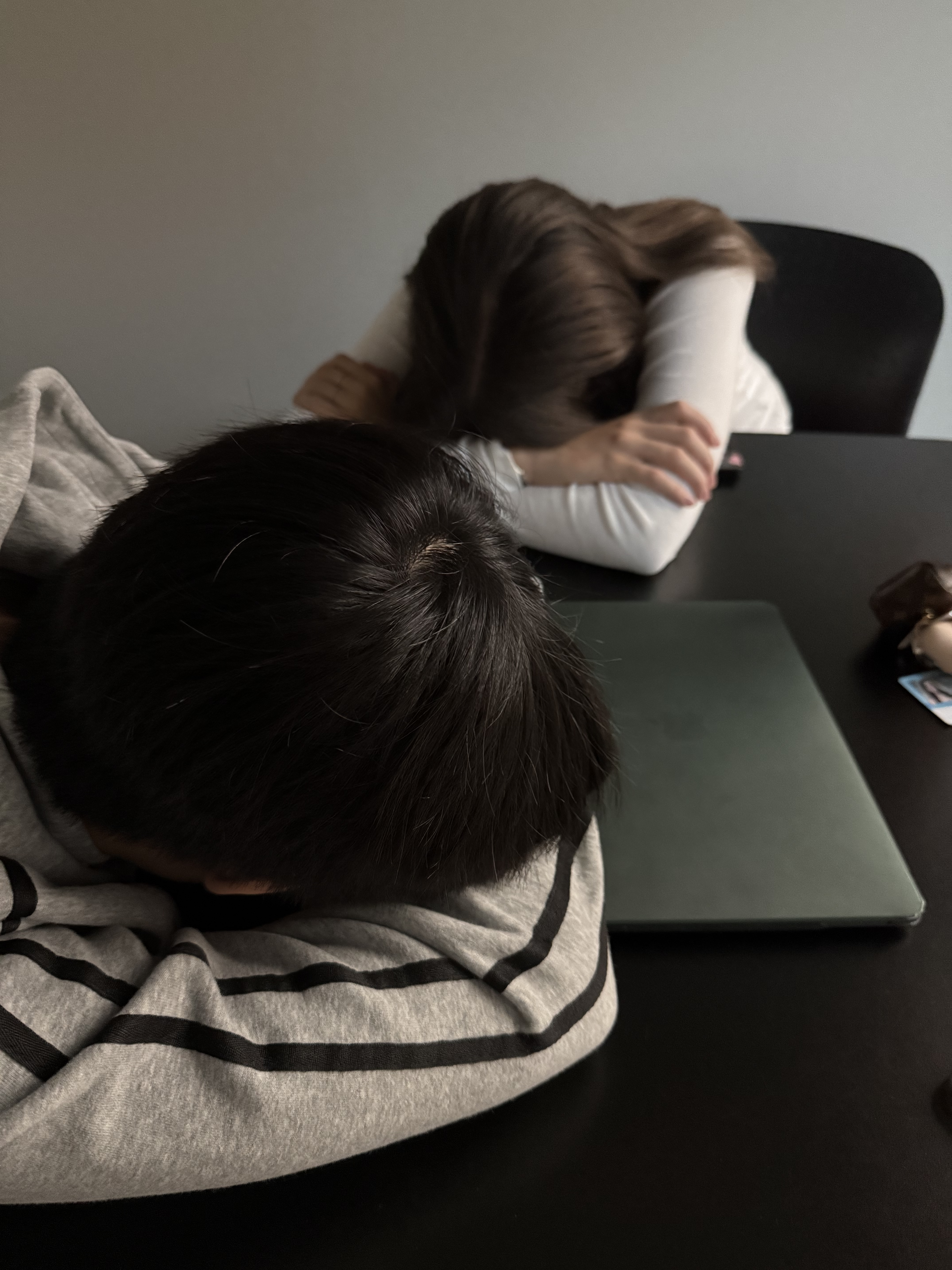
Many students struggle with getting enough sleep at night, going to sleep late into the night or early into the morning the next day.
In a DASH (Drugs, Alcohol, and Student Health) social norms survey administered on September 23 by Beth Eberl, the director of counseling, 177 of the 237 responses reported they were struggling with sleeping enough.
Asher Frieberg ‘27 is one of them.
“On a typical school night, I usually get 5-6 hours of sleep,” he said.
This is far below the recommended hours of sleep a study by the American Academy of Sleep Medicine suggests a teenager should get per day. The American Academy of Sleep Medicine encourages teenagers aged 13-18 to sleep around 8-10 hours daily.
Lack of sleep, however, has consequences beyond simple tiredness. Sleep deprivation can affect a student’s everyday life. The amount of sleep can affect academic work and classroom activities. Not only can it affect the quality of work, but it can also affect a student’s performance in that class and impact their mental health.
Frieberg ‘27 explained that he does worse academically and has trouble remembering topics because of a lack of sleep.
The same sentiment is shared among upperclassmen who have a similar consensus about what sleep deprivation can do to them.
“I struggle to keep my eyes open. In some classes and after school, I usually take a nap,” Victor Peng ‘26 said. “That tends to lead to procrastination, which I think a lot of people relate to.”
However, students like Lily Margalit ‘27 said she tries to have, and strives for, eight hours per night.
Students feel the strain not only in the classroom but also in the activities they’re passionate about outside of it. Clubs, sports, and other after-school activities often demand high levels of focus and energy, which can be a challenge for students running on limited rest. Student-athletes such as Lily Duong ‘28, have said the amount of sleep they get the night before influences their performance in the sport the next day.
“Sleep deprivation affects my ability to play sports, and during practice, I get really tired sometimes,” Duong said.
Some students have begun to recognize the importance of prioritizing sleep, even amid their busy schedules. A few have found strategies that help them manage their sleep schedule or wake up in the morning.
DASH’s social norm survey surveyed the high school’s responsiveness to the transition into the new school year and asked students if they had done anything to combat these issues, including sleep deprivation.
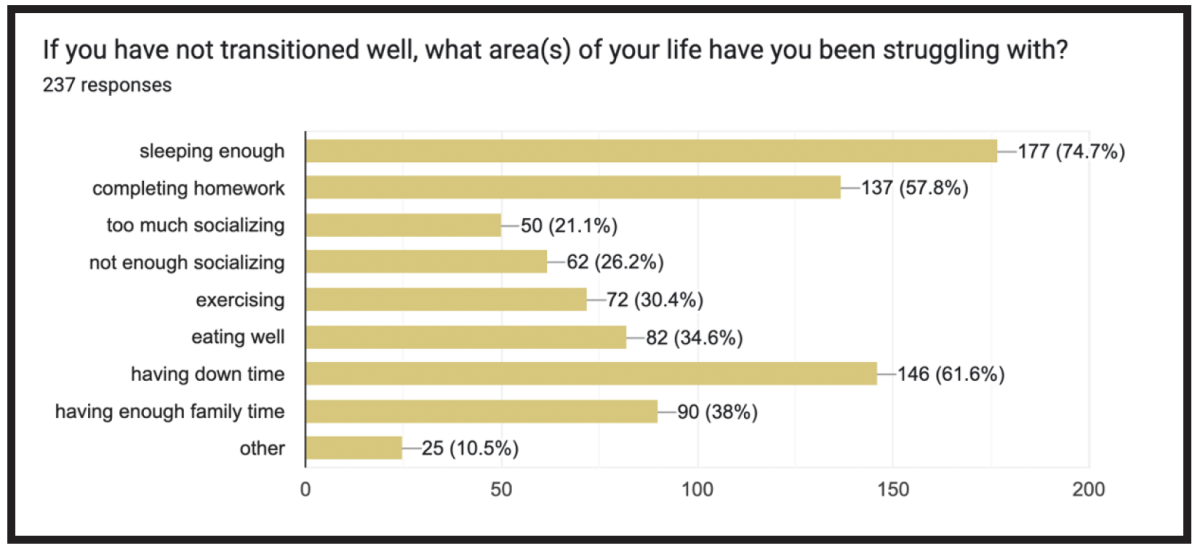
A DASH survey administered in September showed that sleeping enough was a concern among nearly 75% of the 237 students who responded (via DASH).
69 of the 253 responded yes and shared helpful tips such as setting a schedule, prioritizing sleep, and managing their workload better.
Margalit has a similar strategy.
“I have tried to be more strict with my screen time. It really helps me set reminders to make sure I am not losing track of time.”
Jade Parella ‘25 suggested, “What helps me is just taking morning showers to wake me up as much as possible.”
These approaches can be helpful for students trying to break the cycle of sleep deprivation.
There are numerous reasons for sleep deprivation among students. Many students are often staying up late to finish assignments or study for tests. Extracurricular activities and part-time jobs add to the load, with students often participating in sports, clubs, or other interests that extend well beyond school hours.
On top of that, balancing social life and academic responsibilities has also been a frequent challenge for students. Peng shared struggles with maintaining this delicate balance.
“I usually don’t get enough sleep because it’s difficult for me to balance my social life and my academics. If I talk to my friends, I can’t get my work done on time, and vice versa,” Peng said.
To combat this, some students have suggested reaching out to teachers and talking with them to find a solution. Setting a schedule with your teachers can help students plan ahead and set a reasonable amount of homework every night. By doing this, it can aid students in preventing struggling to maintain a social and academic life, procrastination, and even screen time.
Parella suggests “being more open with your teachers and creating a plan to get on track. Adding in more structure and deadlines help me lock in.”
Erin Ilagan ‘26 agreed and said that reaching out and talking to teachers helped her manage her assignments and understand the coursework better.
“There is no harm in reaching out to teachers,” she says. “[Teachers] are there to help you.”
In a world where student success is often defined by achievement, prioritizing sleep and self-care can sometimes feel like a luxury. But as students become more aware of the effects of sleep deprivation, it’s increasingly clear that good sleep is essential not only for academic success but also for overall well-being, fostering a more supportive and productive school community.