by Quinn Lindley ’27
December 5, 2023
If you have been on the third floor during X block you have probably noticed the sounds coming from Payne Library, the combination of various instruments working on harmony playing classical music.
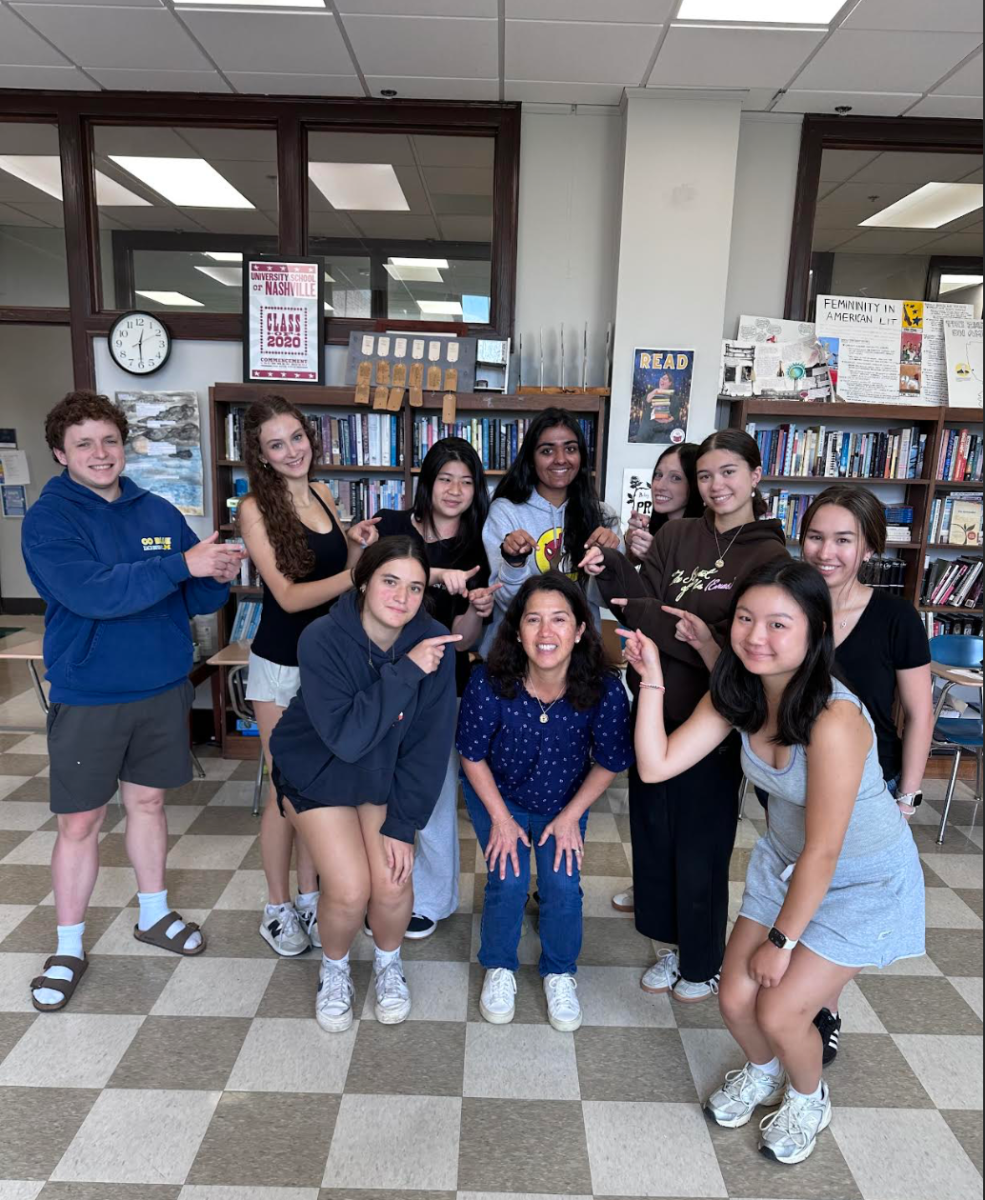
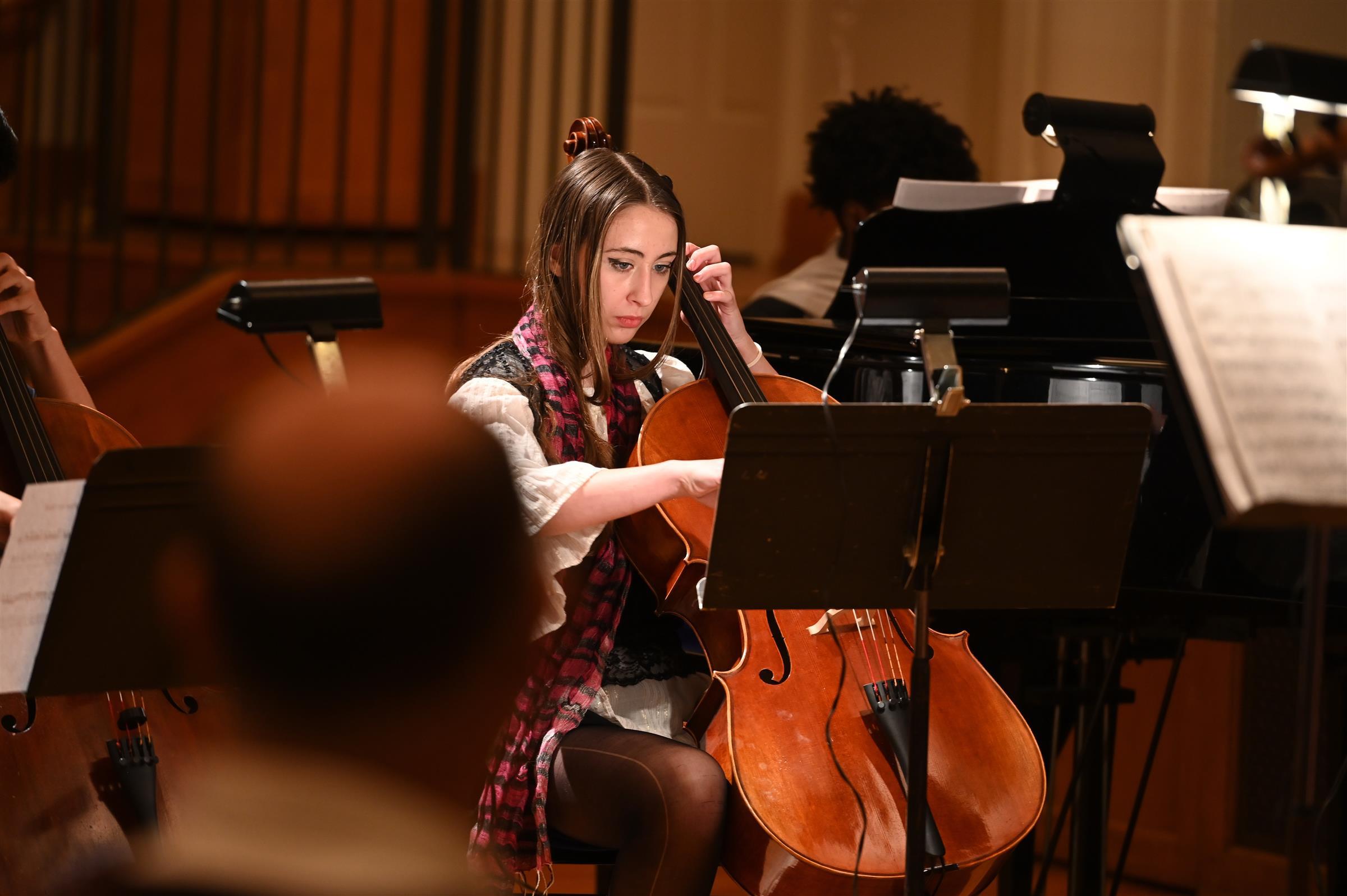
Chamber Ensemble is a group of students who play a combination of violins, violas, cellos, and piano. They rehearse during X period and play various classical and romantic pieces, as well as classical arrangements of more contemporary popular music.
This year’s Chamber Ensemble has ten members. Seven of them are freshman, one sophomore, and two seniors. They all practice to varying degrees. Some of them are very serious about the ensemble and think it’s very important.
Adam Wang ‘24 plays the cello and has been a part of the Chamber Ensemble for four years. When Katie Greenebaum, the ensemble’s director, is not there, he is in charge of conducting them as they play. The other cellist is Natalie Mallal ‘24. Cello is a shortened form of the Italian word violoncello, which means ‘small large violin.’
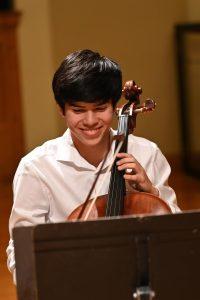
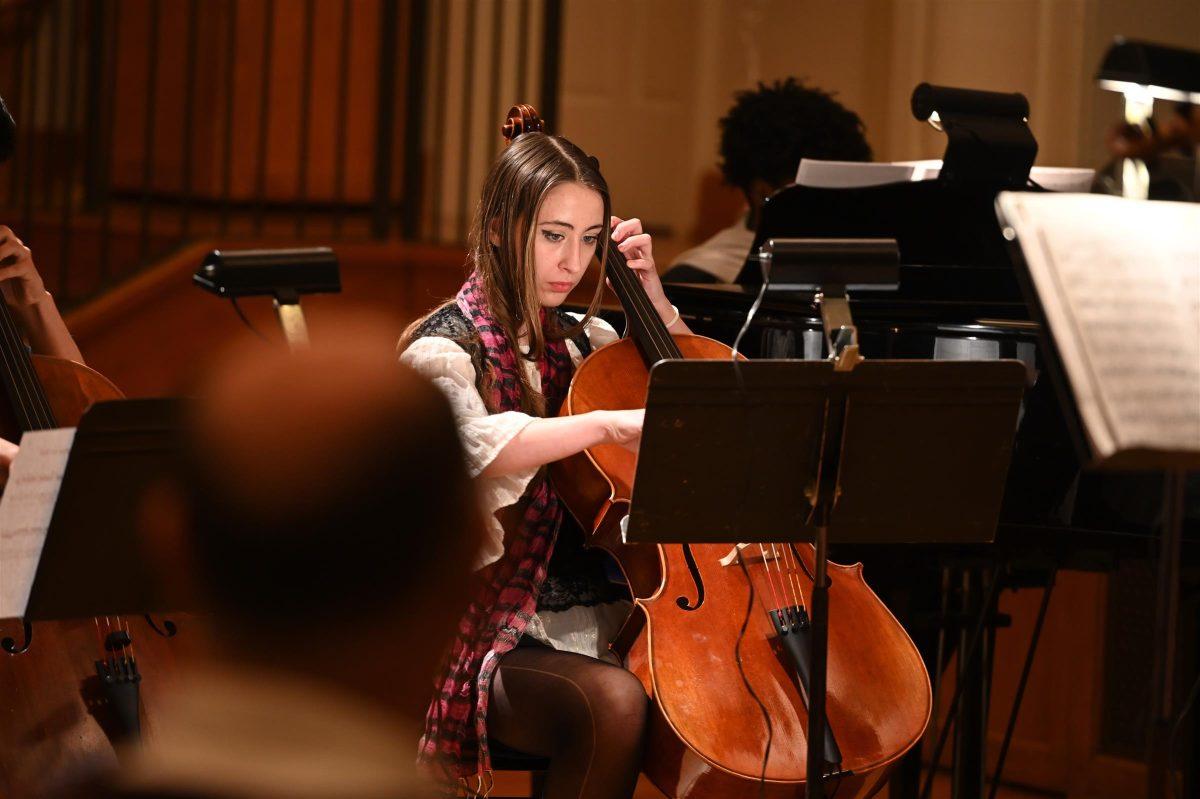
Notably, Wang recently won the Vanderbilt Curb Concerto competition. He played a solo concerto movement with the Vanderbilt Precollege Orchestra earlier this week, on December 4.
The variety of freshmen include Bridget Beem, Yvonne Wang, and Collin Xie, all of whom play the piano. Xie is a serious piano player; he performs concerts on his own and even has an instagram full of his piano skills. Beem and Wang are not as serious about their playing and see themselves more recreational pianists, but they still take individual lessons and play in their free time.
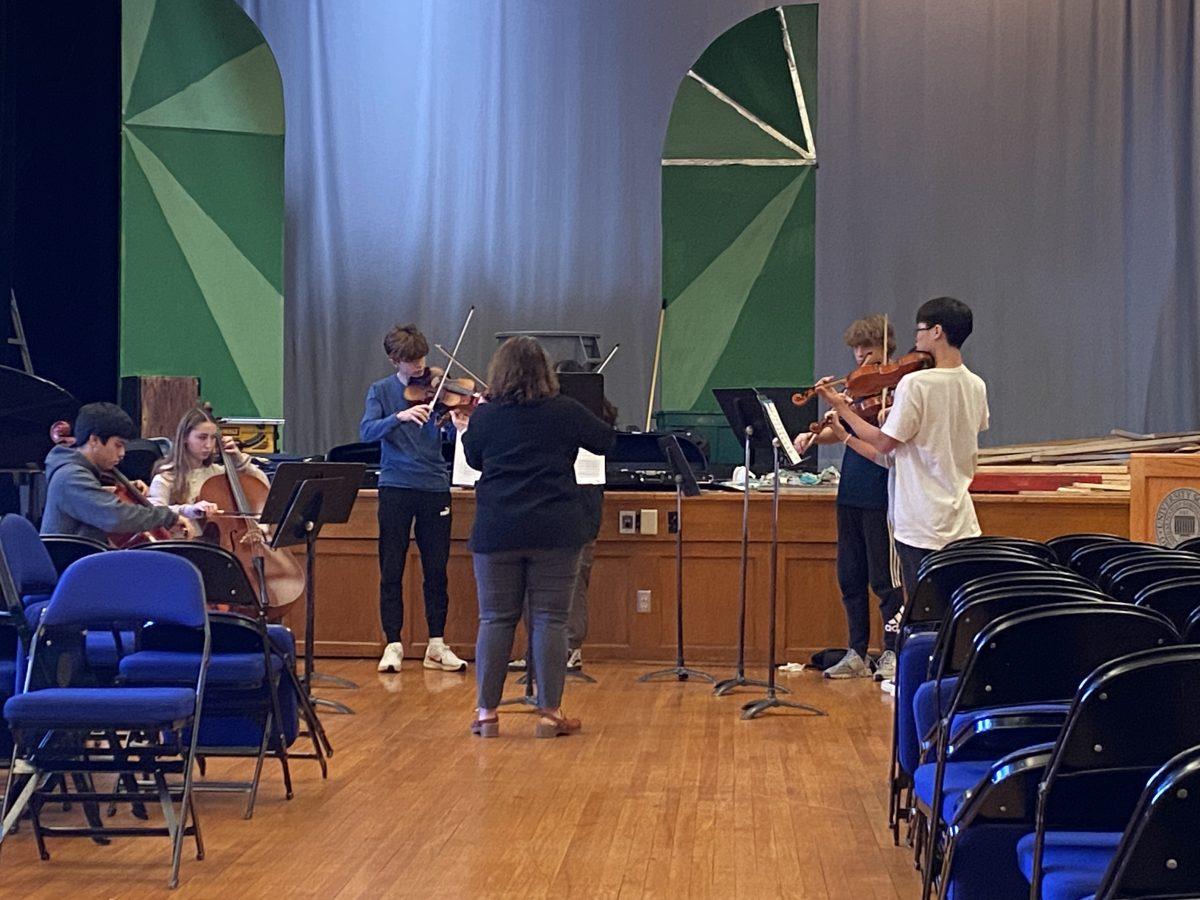
There are three primary violinists: Olivia Brown ‘27, Ethan Lu ‘27, and Evan Valentine ‘27. All have been playing for quite a while.
In the beginning of rehearsals, the violinists carefully take their bows out of their cases.
“Violin bows are very fragile. They can break or get damaged even from the strings of the violin,” said Brown. “So, we take very good care of [our] bows.”
The final instrument that is played in chamber ensemble is the viola. There are two viola players: Gryffin Anderson ‘27, Erin Ilagan ‘26. While the viola is not as well known as the violin, it is important to orchestras worldwide. The viola was invented in 1530 and is actually older than the violin. It is a slightly larger violin that plays lower notes with thicker strings, making it marginally harder to play. They can weigh up to two pounds more. The viola plays notes an octave higher than the cello and a fifth lower than the violin.

Greenebaum founded Chamber Ensemble 21 years ago in 2003-2004. It began as an afterschool club for the people who wanted to play their instruments more. The following year, in 2004-2005, it was first offered as an elective class. It continues to serve as a place for experienced musicians to supplement individual music lessons with playing in a group setting.
Greenebaum, who also teaches 9th grade English, has been working at USN for 21 years. She plays the violin and the viola. While she is not a trained conductor, she tries to direct them as best as she can.
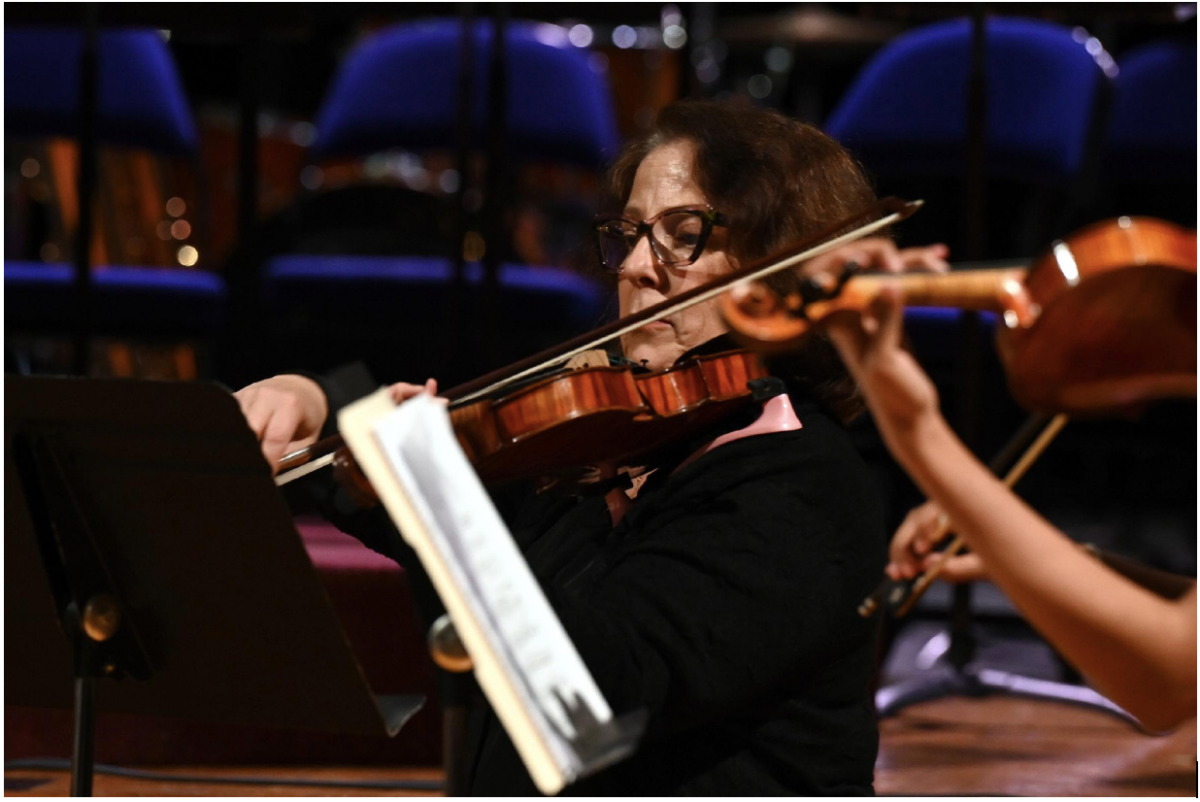
“I find it easier for them to learn if I play along with them,” Greenebaum said. Some years, the Chamber Ensemble doesn’t have enough members and she has to play along during their concerts, but this year their roster is plentiful.
On Thursday, December 7, the Chamber Ensemble will be performing pieces that range from Handel’s “Concerto Grosso,” to Dvořák’s “Cavatina,” to a popular sea shanty, in their Winter Concert.
“It is purposefully a multi-genre concert with pieces from the Baroque Era, Romantic Era, popular genres like folk music, as well as music composed for the movies,” Greenebaum said.