The opinions expressed here are strictly those of the writer and do not reflect the views of University School of Nashville or the Peabody Press.
The month of March has become synonymous with one of the largest American sports events: March Madness. The action and excitement of the college basketball event, along with its unpredictability, make it enjoyable to watch.
That unpredictability is what has defined March Madness, with winning streaks by lower-seeded teams being deemed ‘Cinderella Runs’.
But college basketball has evolved. Major developments in college athletics have led to the question of whether these Cinderella runs may be over and if these new rules change college basketball for the better or for the worse.
Seeding, which is assigned by the NCAA (National Collegiate Athletic Association) Tournament Committee, is gauged based on a team’s regular season, and lower seeds equate to a larger history of winning and better regular season performance. Mid-major teams, or teams that are not a member of the few top conferences are generally lower than a nine seed. The only double-digit seeded team in this year’s Men’s March Madness to make it to the Sweet Sixteen was Texas, a non-mid major program. They made it there with a first-round win against Brigham Young University and a second-round win against Gonzaga.
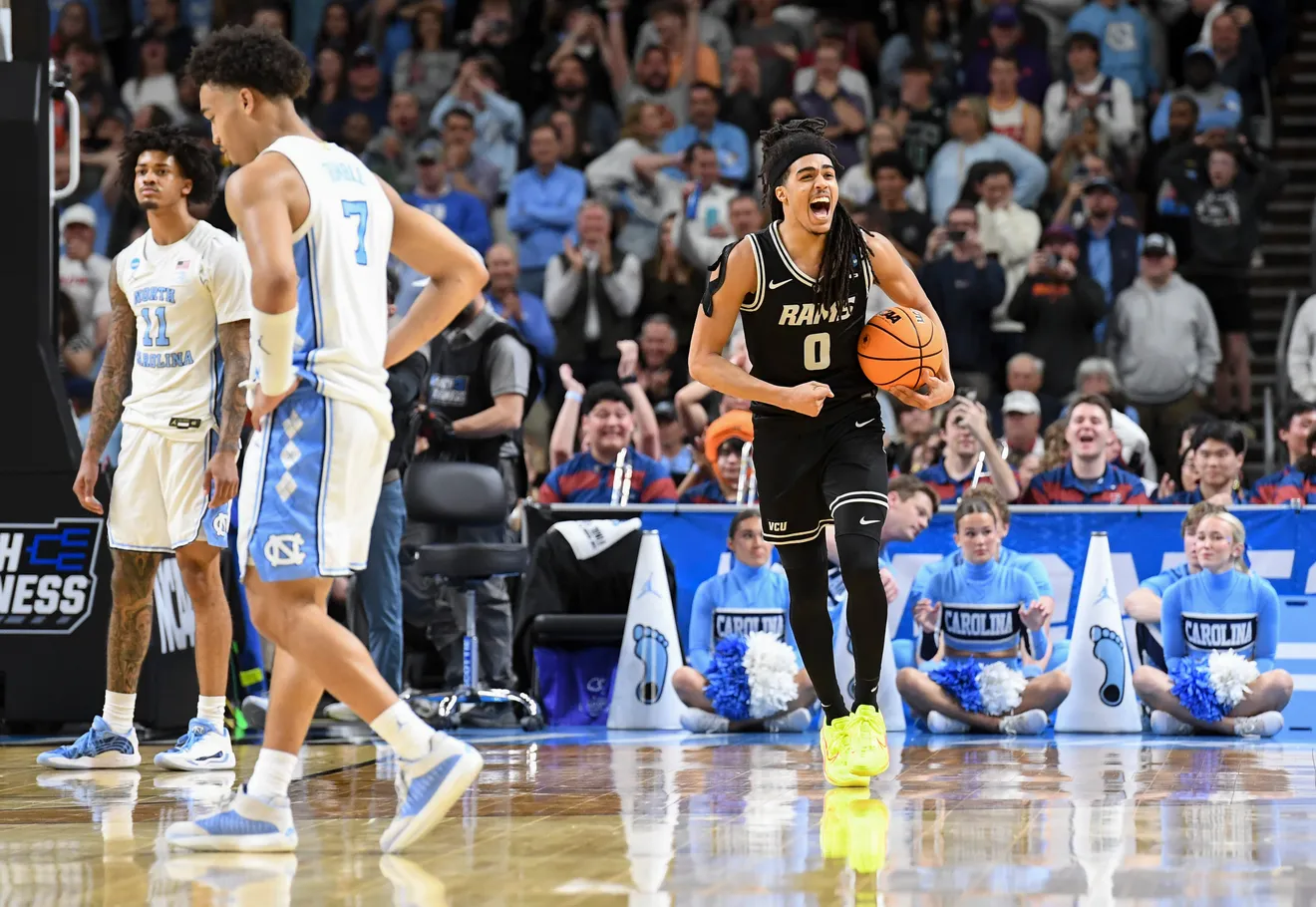
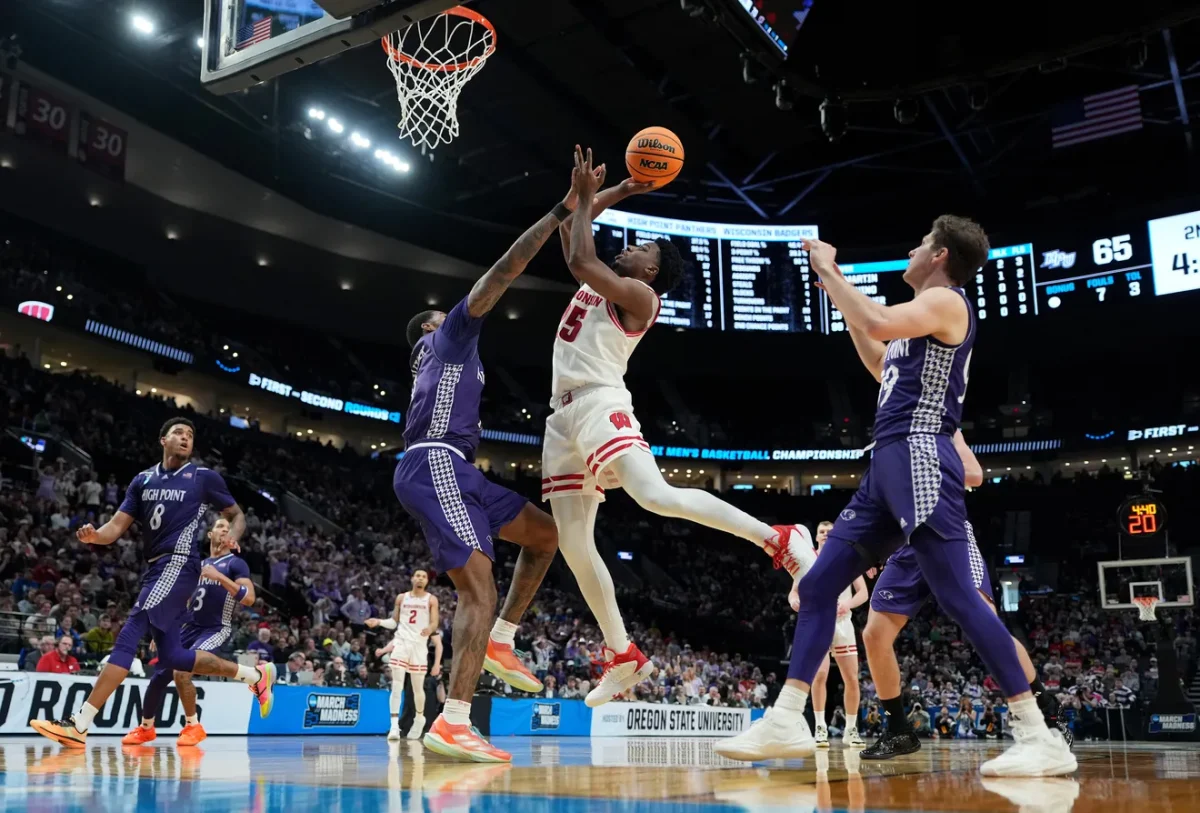
Major notable upsets this year included High Point University beating University of Wisconsin, Virginia Commonwealth University (VCU) defeating University of North Carolina Chapel Hill, and Texas A&M over St. Mary’s University alongside Texas’ run which was previously mentioned. The one major similarity between every single athletic program mentioned is the large size of their NIL budgets, with them spending millions more than regular mid-major teams. NIL is a collection of rules instated by the NCAA in 2021 declaring that college athletes were allowed to be paid for their name, image, and likeness. To college athletes, it has provided opportunities for them to be paid for their play fairly and provided them with mass amounts of opportunities.
The addition of being able to pay players has changed the culture of college sports rather quickly. Teams have begun to rise and fall based on how many elite players they could afford. Programs with major donors were able to become some of the largest in college basketball. AJ Dybantsa, the number one player in last year’s high school recruiting class, received around $5 million to play for Brigham Young University. His contract was partially funded by a donation made by Utah Jazz owner Ryan Smith.
This rule was also coupled with the change of transferring schools being allowed by the NCAA. This allowed players to be paid large sums of money to leave the school they were attending. Mid-major teams are left unable to keep their star players because of them leaving for richer programs with more exposure.
With this, a gap in talent and skill has been created between the highest level and the rest of college basketball. Last year, the Final Four was composed completely of 1-seeded teams (Florida, Houston, Duke, and Auburn). Just two years earlier in 2023 there was not a team above a 3 seed. Teams with millions less in athletic spending just can’t compete with powerhouse teams.
Both these rules raise the question of the ethicality of this. Players at such a young age may not be qualified to make these decisions between large sums of money. This system may take advantage of players with new players transferring in to take their promised spots. This may force programs to assign more of their budget to paying NIL taking away from the improvement of academics.
One major effect of these rules is the Ivy League’s disadvantage in comparison to the rest of the NCAA. The Ivy league does not offer non need-based aid such as athletic scholarships and NIL deals. This rule is a choice made by the conference and they could revoke it to adapt to modernizing rules. As a conference they are left with an issue. Ivy League Schools have been left recruiting players with less tools and benefits to offer, harming the talent and success of their programs. Unless they revoke the rule with decades of precedent, they run the risk of losing money and fan interest over time.
To say Cinderella runs are no longer possible is false, but their chance of occurring has most certainly fallen with these recent developments. As previously mentioned, only one double-digit seed made it to the sweet sixteen in this year’s March Madness. 4 made it in 2020, the year before NIL was instated. All of these rules have led to the professionalization of such a core part of American sports culture. Is playing college sports no longer about the degree, but the money?