Historically, jobs have been a pivotal part of teen life, but fewer and fewer teens are getting jobs each year.
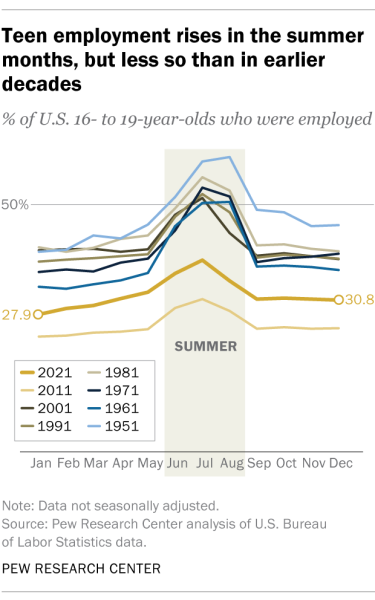
The rates of teenagers holding jobs trended downwards from their peak in the late 1900s, the high being 77.5% in 1989. They dropped again from 2012-2018, although they rose to 60.6% from 2018-2020.
According to the World Bank, job rates dropped again from 60.6% to 57.3% in 2020 because of economic instability during COVID-19. Prior to the pandemic, job rates were at the seen highest levels since 1989, according to Georgia Center for Opportunity.
Financial literacy in young adults is crucial; without the knowledge of how to manage finances, leaving home can become difficult. No longer being fully supported by guardians is daunting, especially if you haven’t had experience managing finances and work-life balance before leaving home.
The United Way states, “Without a solid financial foundation, our youth are more susceptible to predatory lending and costly errors in managing debts and expenses that can lead to lifelong financial inequity.”
At USN, many students have summer jobs, and a few hold currently employed in the school year.
Theo Burgess ‘27 discussed his employment history, and how he thinks employment can affect students. Although Theo has never been traditionally employed, he has experience with working for family and around the city. Theo worked at his godmother’s consignment shop in Winston Salem, NC, and has also done illustration commissions for the Nashville SUNN, as well as odd jobs like painting bathrooms and bedrooms.
“I worked for my godmother in her consignment shop in Winston Salem, NC. I was too young to be officially on the job, and was only there for a few weeks, but she paid me a couple hundred bucks. It was retail-oriented,” Burgess said.
Burgess’ opinions on what a ‘cool job’ would be in his eyes focused on personal enjoyment.
“I think a cool job is one that doesn’t suck the life and energy out of you, something you enjoy doing and are satisfied with the pay you receive for it,” Burgess said.
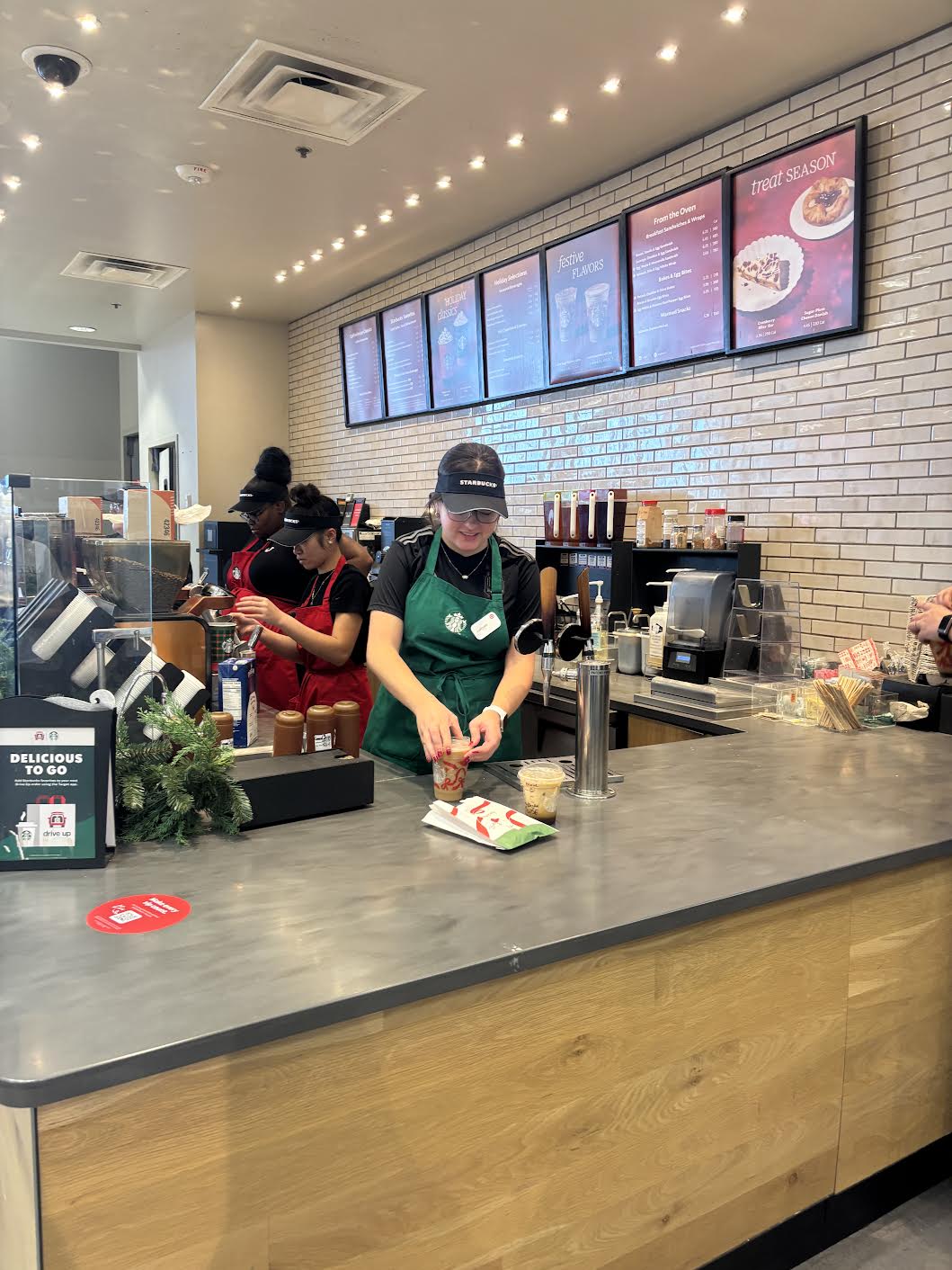
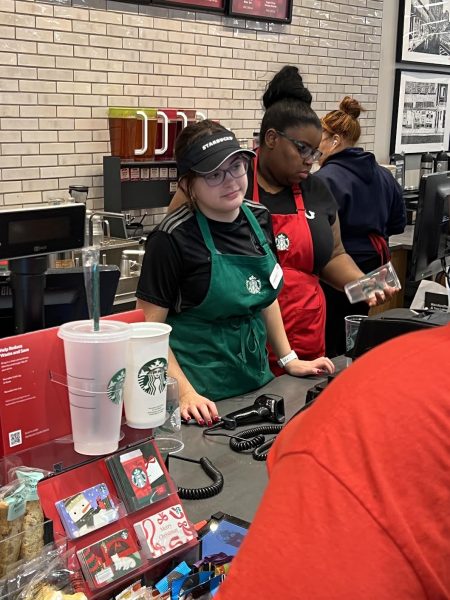
Caroline Stinner ’27, has a year-round job at a Target, working both at Starbucks and at the register.
“Sometimes I’m a barista at the Starbucks, which just means I make drinks and take orders. Occasionally, I’m at the register and I get to talk to people,” she said.
Her ideas of a ‘cool job’ were different from Burgess’, a specific type of work rather than personal enjoyment.
“I think a job at a book store would be really cool,” Stinner said.
Burgess says his job at the consignment store, The Snob Shop, taught him many things, and odd-jobs helped more with endurance.
“Working for my godmother helped me learn resilience, the value of work, listening to my superiors and being relied on to not slack off, and customer service, all of which have improved my growth as a person. The other odd-jobs I have done are more beneficial in the way of pushing through to the end and getting the task done,” he said.
Burgess thinks that the idea that students should have jobs depends from person to person, depending on needs and motivation.
“I don’t think it’s a matter of ‘should they’ as much as it is about viability and the desire for a job. People have different motivations; some work to help their families, others to pay for personal utilities such as gas, some for spending money, some because their parents want them to, etc,” Burgess said. “If a student has time on the weekends or after school to pick up shifts, and their employer is willing to work with them and be flexible, then a job makes sense. If they live in a household that can provide for them comfortably and pay for gas, off-campus lunch, clothing, etc., I’m not sure a job is really necessary.”
Stinner discusses why she enjoys her job.
“I love my job because I have friends from other schools and I have more money to save for college,” she said.
Having a job can be useful for many reasons beyond financial literacy. “Independence, responsibility, interpersonal skills, and a good work ethic” are all benefits, according to the National Library of Medicine.
Stinner says that jobs can be helpful, but also that there are some time management challenges that go along with being employed year-round.
“I think that summer jobs are really great, but during the school year, it can really eat away at your time,” Stinner said. “Having a job is useful because it cuts down on my procrastination. I know that if I don’t complete an assignment when I’m free, I won’t have time to do so later.”