by Saawan Duvvuri ’26
December 10, 2024
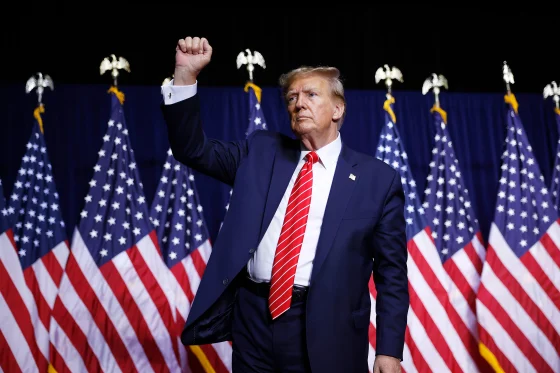
Donald Trump’s presidential election on November 6 has created tensions and excitement across the world as people prepare for a second presidency under the American billionaire.
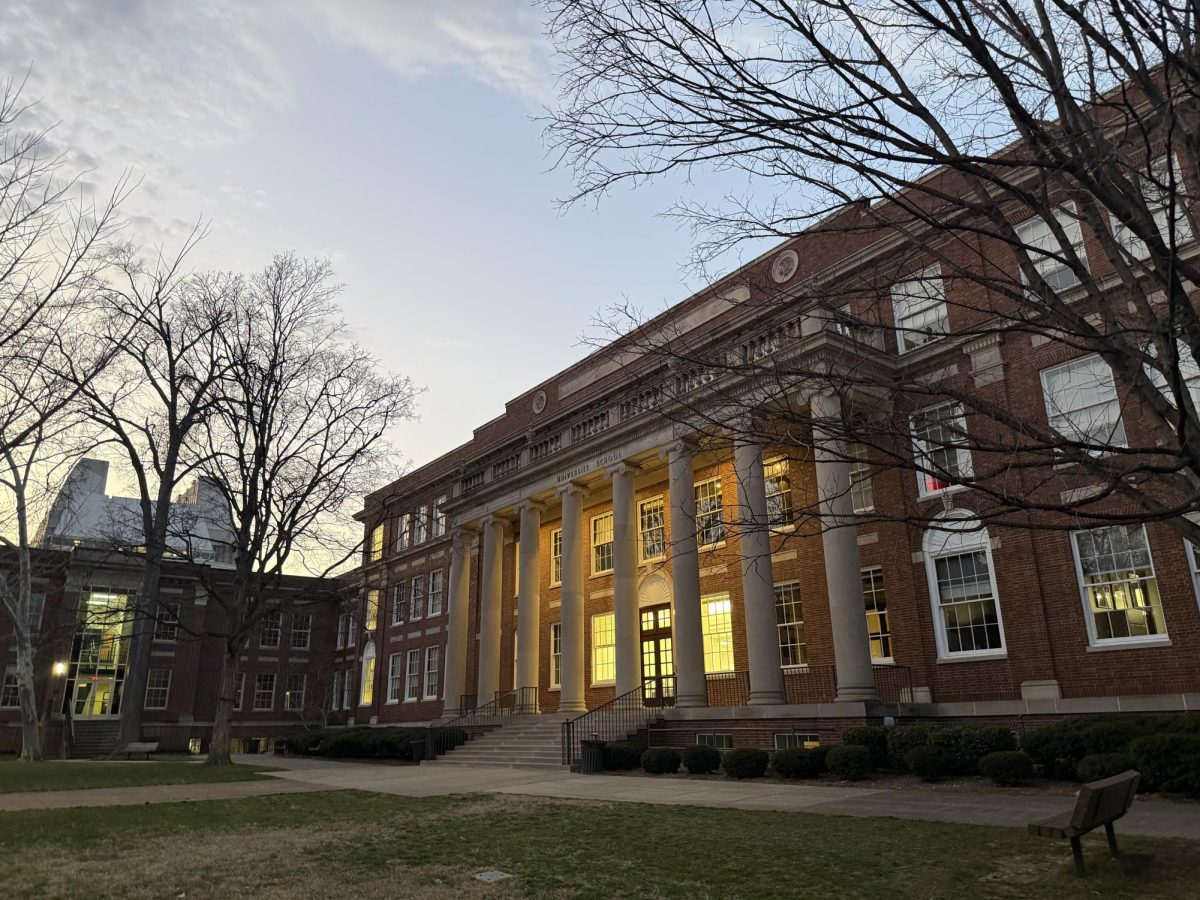
The USN community gave much attention and preparation to the 2024 election. At events like the Buhl Lecture on October 30, Vanderbilt professor of political science Dr. John Sides spoke to students about political polarization. Advisories made bets with students on when the election was going to be called, and students engaged in numerous political discussions in and outside of classes.
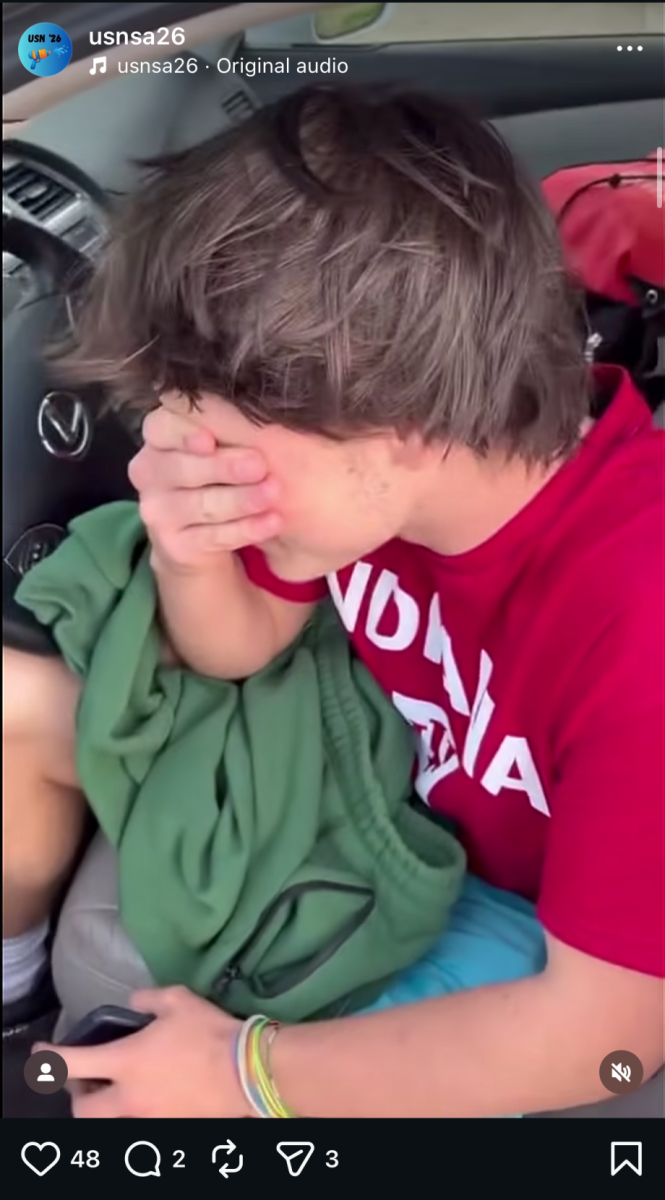
Following Trump’s election, students at USN have reacted in various ways to the election results. The mood of USN’s hallways following the election was one of melancholy, grief, and anger. Some students could be seen rushing through the halls, crying, unaware of how their bodily rights would be affected by the American government’s new administration. Some LGBTQ+ students feared for their rights to love in an increasingly conservative society, and students of color were already grappling with imminent threats of racism, with some Black and Asian students around Nashville reportedly receiving unsolicited harrassing spam texts.
Binyam Dunne ‘26 believes the 2024 presidential election has widened divisions across the country.
“The Democratic and Republican parties now are farther apart than what they were before the election,” Dunne said.
Dunne also elaborated on the demographics he believed helped Trump win the election, emphasizing geographic differences in American voter trends.
“A lot of people voted for Trump in rural and smaller but more Republican dense counties in the swing states. People were not expecting such a massive turnout from these areas,” Dunne said.
In conjecturing as to why so many Americans voted for Trump, Dunne said, “A lot of people understand that Trump might not be the most socially understanding person, but they think he will benefit the economy a lot.”
However, Dunne is slow to embrace optimism for Trump’s reelection.
“The only positive effects of Trump’s presidency I foresee is that there won’t be a malicious Capitol riot at the inauguration,” Dunne said.
Dunne predicts many potential ramifications of a Trump presidency.
“Trumps’s presidency will likely result in women feeling like they have lost the ability to control what they feel is right for them, and immigrants have lost the ability to control what they feel is right for them. Many people are now afraid,” Dunne said.
Henry Gatto ‘25, student council vice-president, agrees with Dunne about domestic issues, but adds, “I think that Trump’s international policies will be bold. A lot of wars going on right now may be ended, for better or worse,” Gatto said.
Gatto shares a common theory as to why Trump won the 2024 election: change.
“In exit polls, an overwhelming majority of people wanted change. A lot of people were not happy with Biden’s presidency—whether it was the time he was in power or his actual policies. Donald Trump seemed like he would bring about a lot of change,” Gatto said.
Gatto also echoed the concerns of many Americans on how social issues are being handled relative to political and economic policies, which many Americans believe are more important.
“Some Republicans are feeling that many ‘woke’ issues have been held at a very high standard and have been pushed onto Americans, and they are not happy about that. The Democratic party puts a lot of emphasis social justice issues, while Republicans choose other issues to work on.”
However, Gatto acknowledges potential detrimental impacts of the new Republican’s administration’s lack of focus on solving essential social issues.
“I also believe that climate change will be sidelined in [Trump’s administration], as Trump has said that he does not believe in climate change,” Gatto said.
Gatto also offered insights into the role of social media in the 2024 election.
“Lots of social media platforms influenced the election. A lot of politics right now are ‘vibe checks,’ and it makes me wonder whether I like a candidate for their personality or because of their politics. Social media definitely influences that. There is also a lot of misinformation spread through social media,” Gatto said.
Madeline Chalos ‘25, senior class president, also believes social media had a notable impact on the election results.
“I think [social media] did influence this election. I think the presence of the media in politics is a huge deciding factor now. I think Kamala did a really good job on her KamalaHQ TikTok account. I think Trump was able to connect with his base through podcasts, like the Joe Rogan podcast, and [Trump] was able to connect with young, male voters. Kamala Harris also went on Call Her Daddy,” Chalos said.

However, Chalos also acknowledges flaws in Harris’ media strategies, specifically in how she addressed her male audience.
“The way to win is not to consolidate your voter group into one group. Harris alienated men somewhat in this election. She tried to play to her primarily female base, and it did not work. I don’t think that a lot of men were excited and motivated to go out and vote for Harris,” Chalos said.
Chalos also discussed the challenges the Democratic party is facing as a whole in appealing to voters.
“I think the Democratic party has lost touch with who is actually voting. I don’t think they have paid attention to what people want,” Chalos said. “People are not able to afford groceries, and that is what most people care about.”
“Democrats have become a somewhat elitist party of college educated people and professionals, which is great, but that is not what represents the majority of Americans. I think the Democratic party has shifted and is no longer appealing to the working people,” she added.
However, Chalos also attributes some of the struggles Harris faced with strengthening her campaign to President Biden’s delay in dropping out of the 2024 election.
“Kamala Harris was set up for failure from the start. Biden left Harris in a tough situation. Biden not dropping out earlier on was really destructive to Harris’ campaign. People saw Harris as an extension of Biden’s campaign, and people did not like Biden’s presidency. Harris did not have enough time to understand what her voters wanted. She focused a lot on abortion, trans rights, and Trump being un-democratic, but she did not focus enough on the economy and immigration, which is what voters cared about,” Chalos said.
Asauda Radford ‘25, student council president, also had multiple opinions on how the 2024 election results reflected the American electorate’s partisan loyalty over problem solving.
“I think this election made it clear that there is a lot of polarization in America. People are willing to side with someone because of their party rather than trying to find the best solution for their country. People ask what their side wants rather than focusing on what the most comprehensive solutions to complex problems are. We are becoming increasingly focused on parties and picking sides.”
Radford also expresses worry with how Trump’s campaign may handle federal and state-level educational policies.
“I wonder what level of education students will receive about race [under Trump’s administration]. There are going to be states who choose to ban certain books. But there will be states that will still want to teach about critical race theory. This could have an effect on future generations,” Radford said.
Despite these students’ generally pessimistic outlook on Trump’s election, many USN students are optimistic about what this election could mean for young people.
“This election will make young people more motivated to become more politically active,” Dunne said.
Madeleine Chalos ‘25 agrees.
“I hope this will make people get involved in politics. I hope people can get involved more in politics and advocate for candidates they actually care about” she said.
“I hope this election’s results promote more political tolerance on both sides. I hope people stop profiling both sides. I hope people stop thinking that every Trump supporter is an ignorant racist, and that every liberal is a communist,” Chalos said.
Chalos also offers some advice for young people hoping to become more politically engaged.
“Volunteer and work for campaigns that you think are important and will make positive change. If you do the work and advocate for policies and campaigns, then you will see positive change. Nothing is going to change if you do not do anything about it,” Chalos said.