Fast fashion seems like a convenient and cheap alternative to finding environmentally friendly places to shop, but it also leads to significant negative effects, specifically on the environment.
The term “fast fashion” refers to cheaply produced and marketed clothing and accessories that appeal to the latest fashion trends. It’s becoming increasingly popular and easier for consumers to buy. Although looking for the cheapest products often seems intuitive in the interest of saving money it’s important to be cognizant of the long-term environmental consequences before supporting the industry.
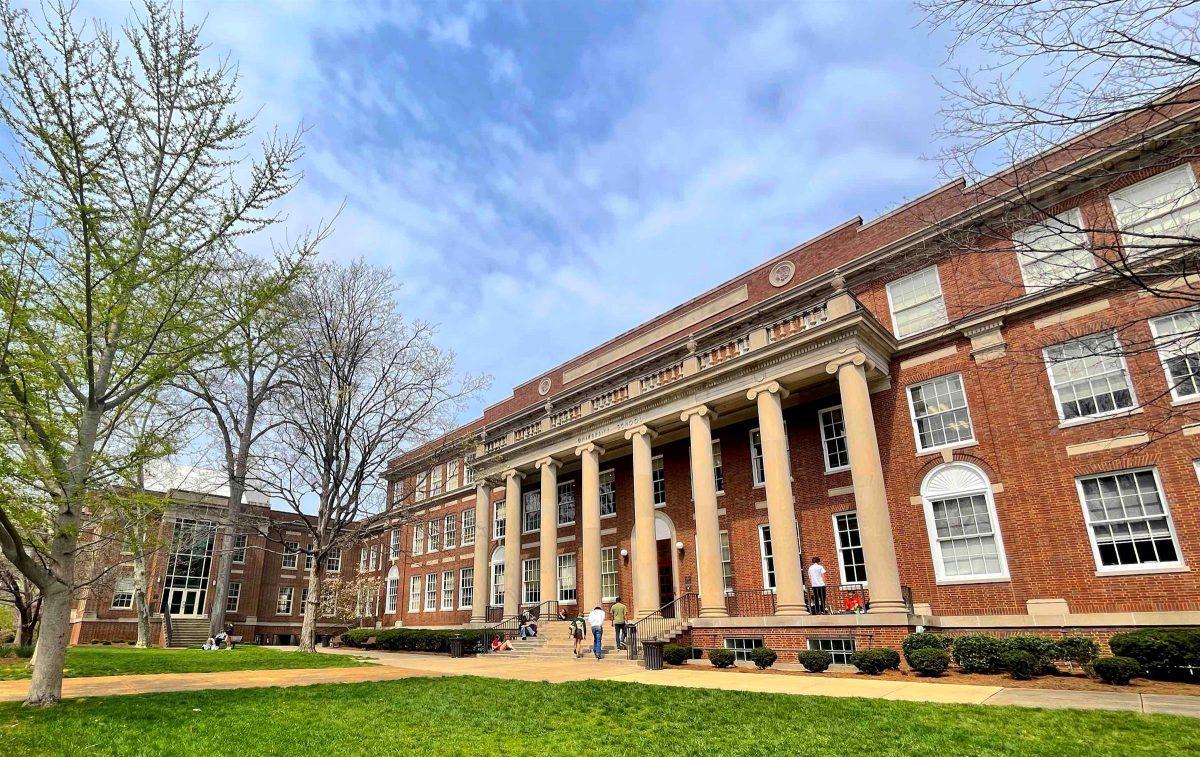
USN’s Sustainability Board, which is made up of twelve students from ninth through twelfth grade, strives to transform our school into a more sustainable place by advocating for environmentally friendly choices and working towards becoming carbon neutral.
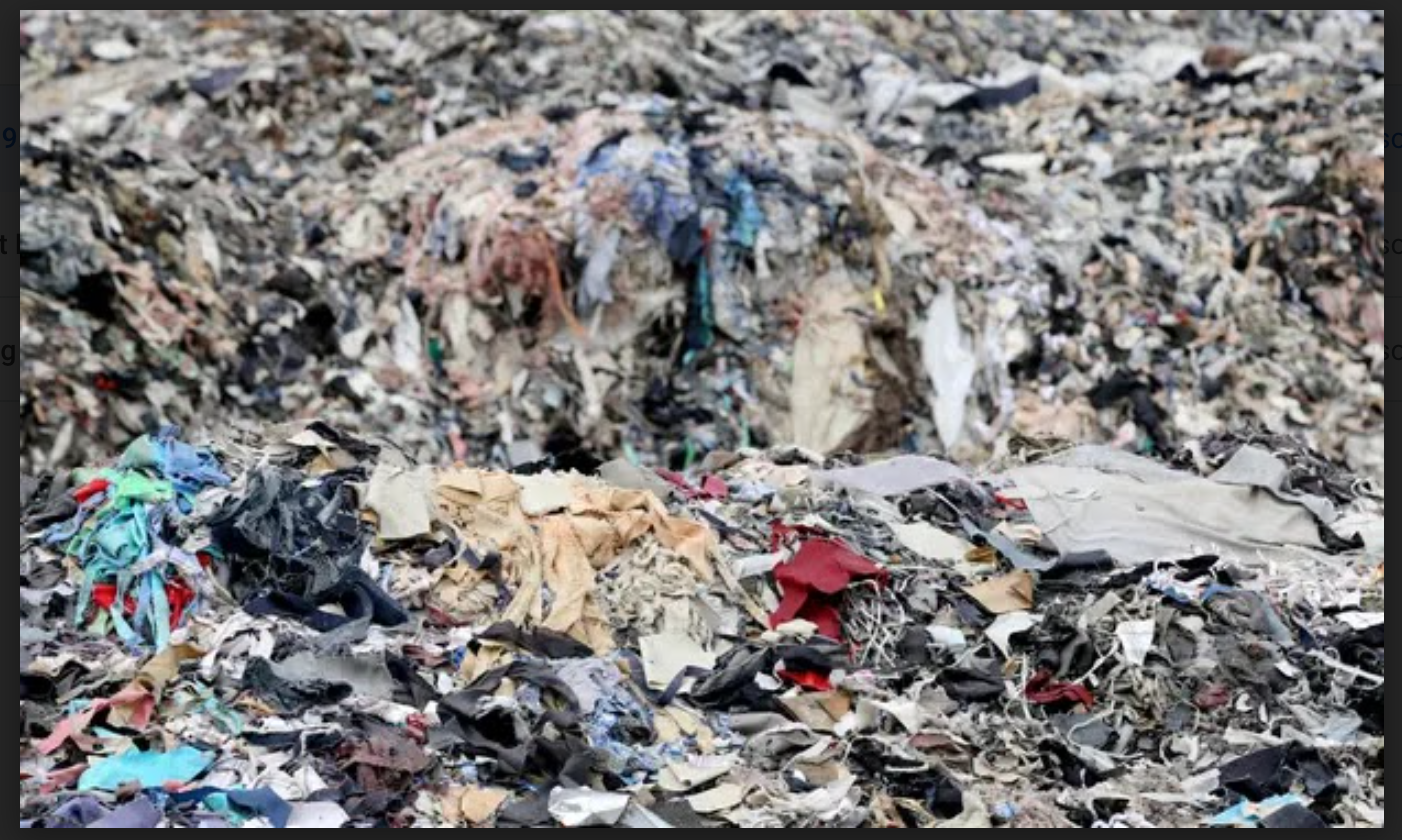
Junior Morayo Kassim of S-Board explained that pollution from clothing manufacturing can have both short term and long term impacts on the planet. Textiles take up space in bodies of water, which contaminates drinking water sources. In terms of lasting effects, fast fashion ultimately leads to an increase in carbon dioxide emissions and pollution from fertilizers used to produce clothing materials like cotton. Too much CO2 leads heat and radiation from the sun to be trapped in the atmosphere, causing global warming.
Some of the most successful fast fashion brands are H&M, Uniqlo, Zara, Forever 21, Old Navy, and Shein. Products from these companies tend to be sold at low prices, but a common misconception is that all higher-priced products are made ethically and are not harmful to the environment. More expensive brands can also often buy into fast fashion policies by catering to whatever is in style, and disposing of unsold products once the trend declines.
“Because trends move so quickly, a lot of clothes end up being wasted and not used,” said Greta Matthies ‘22, S-Board member, “85% of textiles go to the dumps.”
It’s unrealistic to ask everybody to stop wearing clothes from all fast fashion stores because they’re so widely known and bought from, but there are some other steps to take towards moving away from environmentally detrimental apparel.
“Students do not need to change their entire lifestyle in one fell swoop to decrease their environmental impact, but instead can implement realistic, smaller steps to change their lifestyle for the better,” said Kassim.
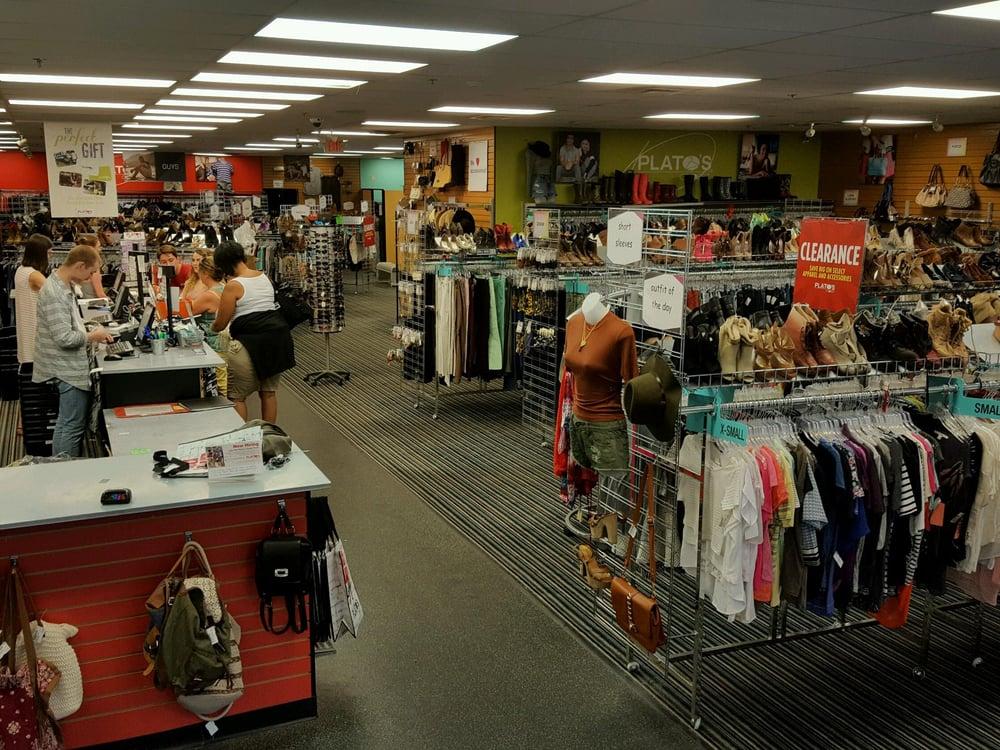
One alternative to shopping fast fashion is supporting thrift stores. They are a great place to shop–often at pretty low prices–and also to sell or give clothes that are no longer in use. Revamping or repurposing old clothing is another alternative to be environmentally cautious while also being able to keep up with current fashion trends.
S-Board members mention Depop, Mercari, Plato’s Closet, Southern Thrift, and This-N-That as some of their favorite places to buy secondhand clothing. Junior member Emilia Zenker recommends sustainable stores Pact and People Tree, and warns against donating clothing to Goodwill.
“Goodwill actually sells textile waste to fast fashion industries, and what they can’t sell is shipped to third world countries and end up in landfills,” Zenker said.
S-Board–and in previous years Environmental Club–have held clothing swaps to promote sustainable fashion. They hope to hold one again this year if possible, with regard to COVID-19 safety protocols.
“The goal of this wasn’t really to raise money for S Board funds but to get people thinking about the effects of fast fashion and realize how easy it is to find ‘new’ clothes without buying them from huge companies,” said Mia Owen ‘21, who is serving on S-Board for the second time this year.
“It’s time that we take action and stop the pollution and environmental degradation that is occurring, and we can do this if we all take steps to reevaluate our current lifestyle and make better, informed choices,” said Kassim.