After almost seven years of suspended international travel due to the COVID pandemic, USN is now reconsidering student trips abroad.
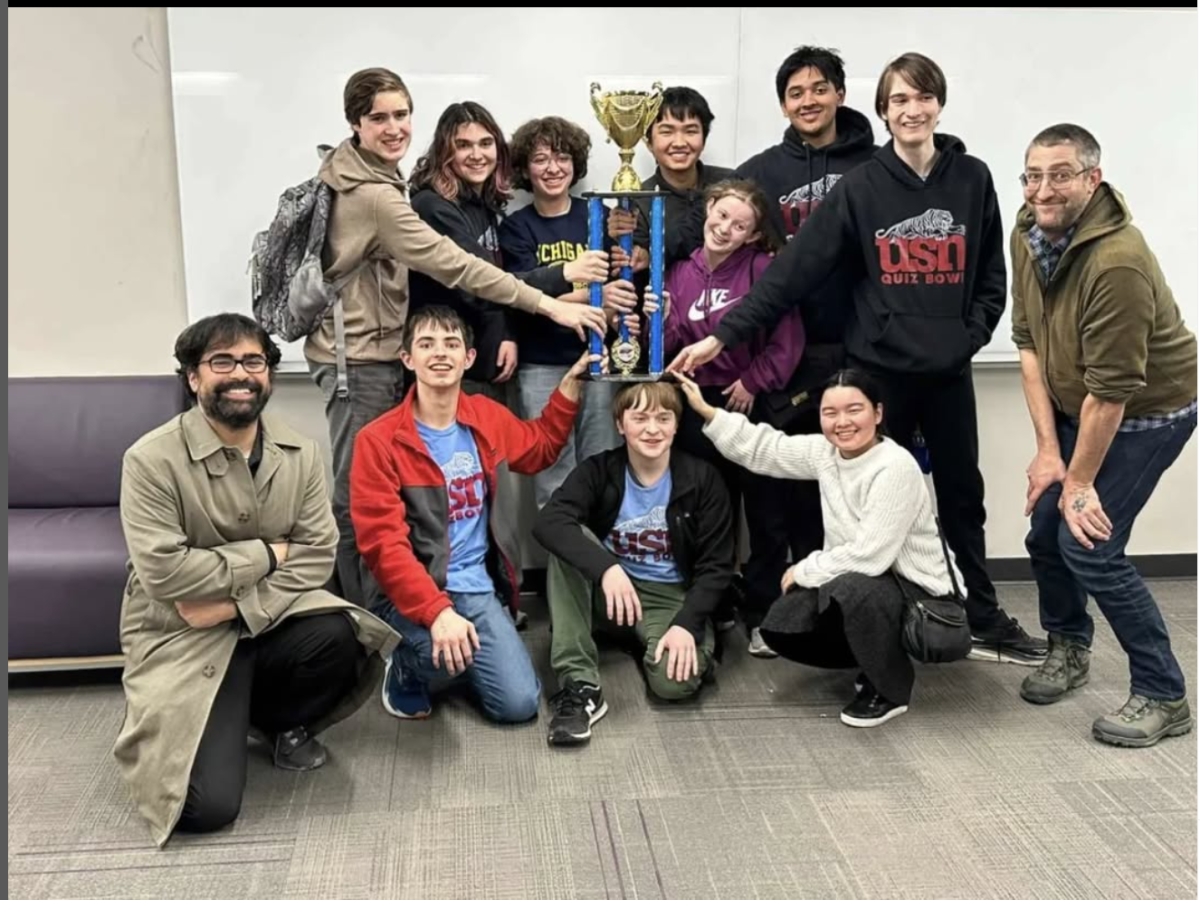
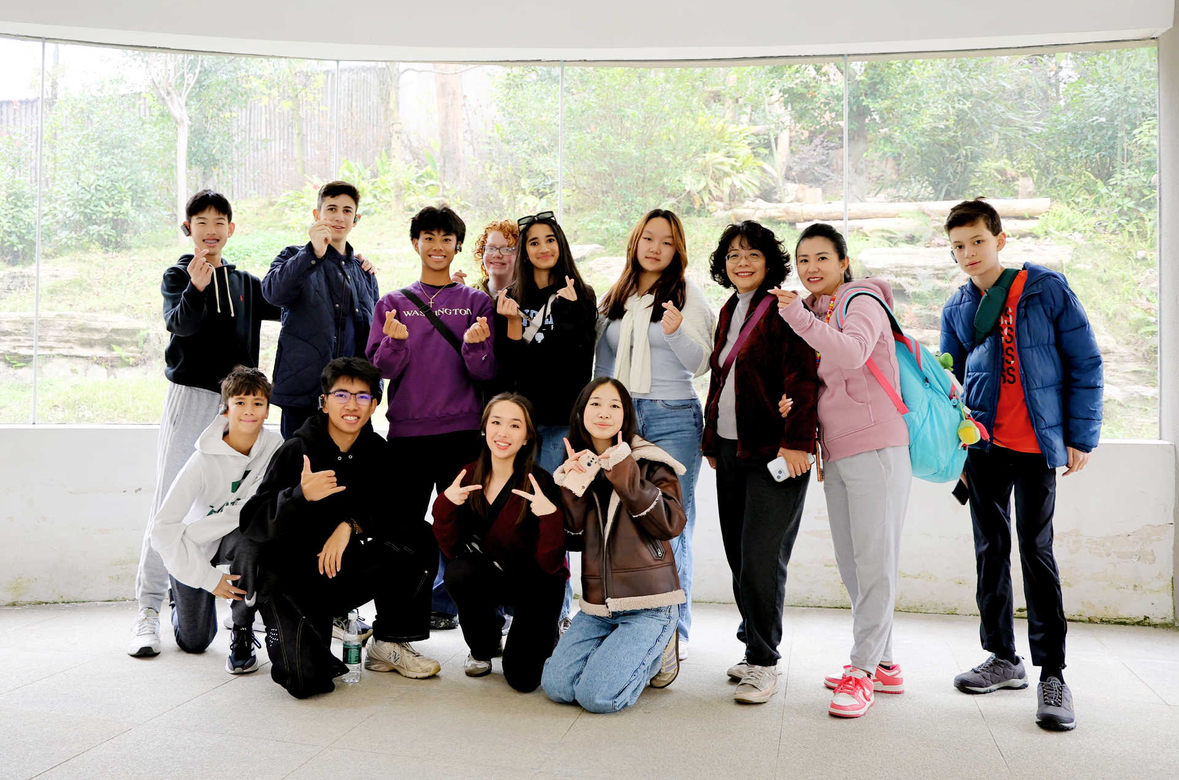
That possibility became real last semester on November 16, when USN sent the debate team to Chengdu, China. The opportunity emerged after another area high school withdrew from a program sponsored by the Sister Cities of Nashville, the nonprofit organization managing the trip, opening a last-minute slot for USN to participate.
Although the trip was centered on debate, the students were given the chance to explore the streets of Chengdu.
“It was fun being able to explore, and not constantly having to debate made it feel a lot like a cultural immersion,” said Eesha Nachnani ‘28, a member of the debate team.
Nachnani also said the trip helped her become more independent and aware of her surroundings while traveling abroad.
“One thing about the experience is that it teaches you to be very independent. It teaches you to travel alone, be responsible for yourself, and how to keep yourself safe,” Nachnani said.
Following the trip, Kalee Barbis, the director of experiential learning, described how the learning continued even after the students returned from Chengdu.
“Something that was really powerful afterwards was that we invited Sister Cities to come back and listen to the four students reflect on their experience,” she said.
The students hosted a lunch-and-learn session and completed written reflections, which were later published on USN’s website.
In one reflection, Nachnani described singing Taylor Swift and making dumplings with students abroad.
“Nachnani wrote that she knew everyone [in America] loved Taylor Swift, but she didn’t realize everyone loved Taylor Swift,” Barbis said.
Chai Reddy, head of high school, emphasized the importance of reflection and application within our community after the experience.
“It should be about us going somewhere, learning what they’re doing, and bringing back home and addressing our own issues,” he said. “As we’re looking at travel experiences within different classes, one of the things that we want to identify is not just a topic or an experience that only exists in that place, but something that we can connect it back to here in Nashville.”
Beyond the debate team’s experience, high school faculty are actively working to restart international travel programs.
High school Spanish teacher Bear Anthony has discussed the possibility of taking students abroad in the future. This summer, he will serve as a chaperone for a trip to Argentina that is open to students from all over Nashville through Sister Cities.
Anthony has expressed hope that the USN world language department will have an official travel trip in the future, detailing the educational value of cultural immersion and international study.
“It’s not the same as me speaking to my students as it is for them to walk around the city, interacting with [locals] using their Spanish and trying authentic… food,” said Anthony.
In addition to language-based programs, over winter break, Anthony, Reddy, and Anne Dervan, the science department chair, traveled to Guatemala to scout the area for a future Anatomy and Physiology trip. Anthony said the visit was part of efforts to ensure that future programs are safe, effective, and accessible.
“People are very eager to travel, both teachers and faculty,” he said. “I personally viewed the scouting trip as the first official test of international travel.”
Dervan explained, “Students who have taken my anatomy class will be able to apply for an opportunity to travel to a village outside Xela, Guatemala, around the Spring of 2027. They would go to schools to do work on dental health and run health fairs, where residents can have their vitals checked and receive basic health monitoring.”
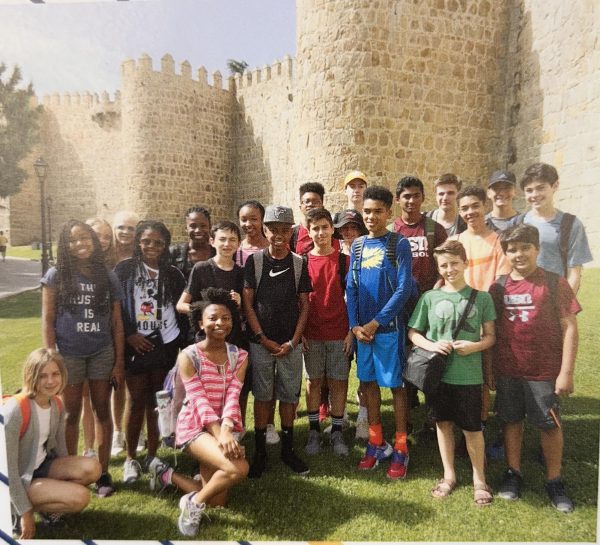
The trip will be conducted in partnership with an organization called Global Public Service Academies (GPSA), which provides infrastructure and local connections to underserved communities.
Barbis believes that selecting the right partner is essential to success in international trips. The key is someone whose values align with community lessons.
“We’re really looking for authentic partners. We want to make sure that they’re local to the area, knowledgeable, and can help us navigate things,” she said.
Barbis also noted that student safety is a central priority when partnering with organizations.
“We work closely with the health office and maintain detailed insurance and medical records for every trip,” she said. “We also make sure our partner organizations have the resources to handle emergencies and support students if something goes wrong.”
Alongside safety, financial logistics are also an important factor to consider when planning international travel trips. Anthony explains plans to ensure this opportunity is accessible for everyone.
“Obviously, there’s a cost component, but rather than disregarding the opportunity completely, we’re looking into what we can do to ensure that all students are able to participate,” he said.
In fact, Barbis added that we are already piloting a financial aid model in a recent middle school travel opportunity.
“At least two spots could potentially go to somebody who receives financial aid so they wouldn’t have to worry about it,” she shared.
By addressing financial barriers, faculty aim to ensure that the educational value of these trips is accessible to all students. The goal of these trips is to be able to expose students to immersive environments they don’t often get the chance to visit, and broaden their perspective of a subject by showing real-world usage and application of that knowledge.
Looking ahead, Reddy hopes to expand these opportunities further.
“I hope we get to a spot where we’re offering two or three opportunities every year and we’re just rotating them,” he said.