By: Esha Karam ’21
November 2020
USN is participating in a trial of an innovative type of rapid saliva testing in partnership with Vanderbilt University Medical Center researchers to determine the prevalence of asymptomatic COVID cases at school. On November 4, faculty members dropped off tubes in designated racks for the first day of testing.
Led by VUMC Professors and USN parents Dr. Simon Mallal and Dr. Elizabeth Phillips, the study is entering the implementation phase where USN will be the first to test out the procedure. The pooled saliva test offers a relatively low-cost option for the school to assess asymptomatic spread while simultaneously allowing researchers to improve their process.
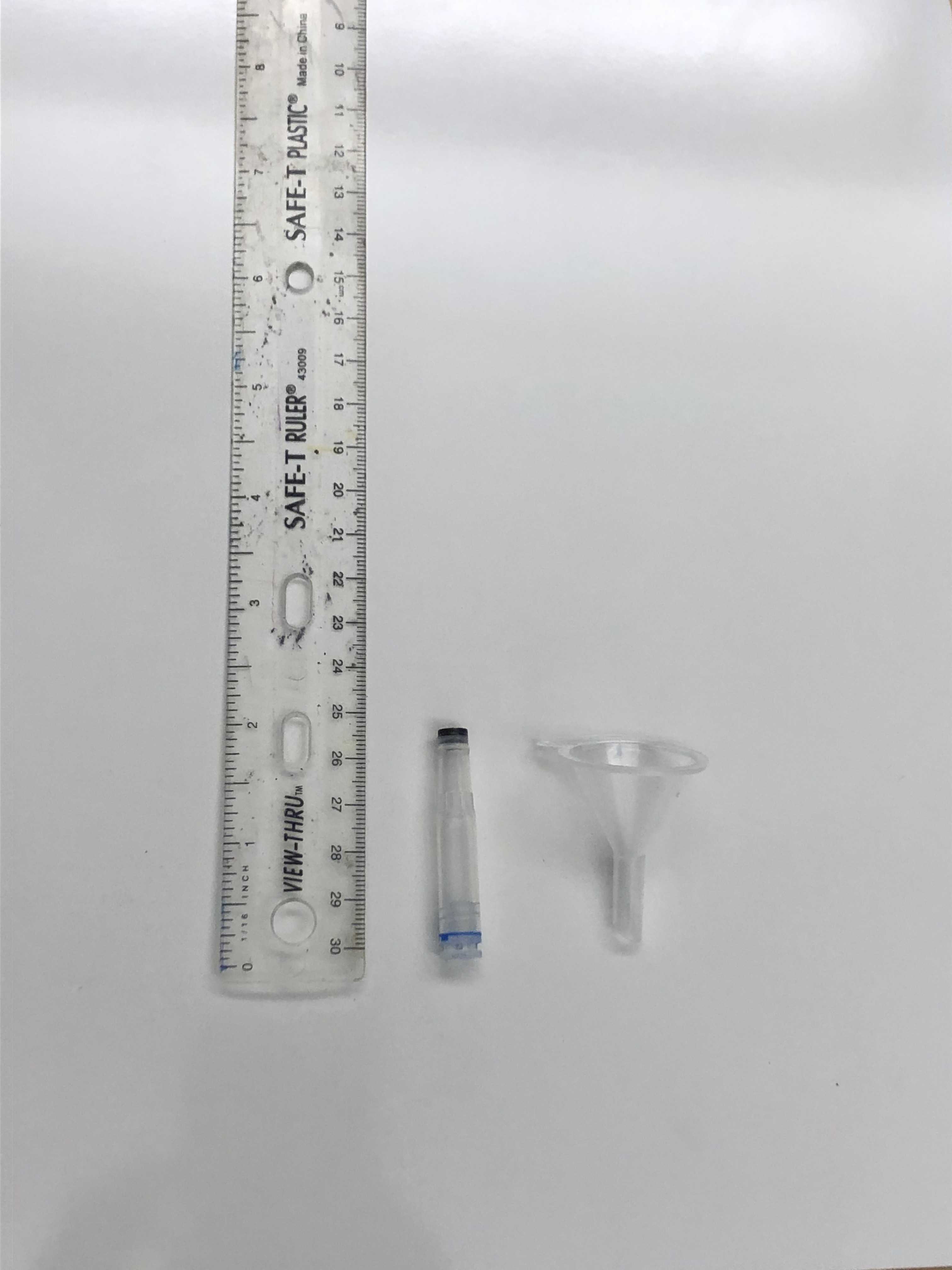
USN Health Team leader Margie Brennan described the process of collecting and gathering the samples.
“Participants will collect their sample in their tubes, scan the barcode, and answer a little questionnaire. When they get to school, they’ll hand [the sample] to one of us who will collect the tube and put it in a little black box.”
The guidelines require volunteers to collect their saliva sample in a provided test tube in the morning before eating, drinking, or brushing.
After all the tubes are gathered around 9 AM, the samples will travel across the street to the VUMC lab. Once there, the samples will go through an automated process known as digital droplet PCR, where RNA from the virus is converted to DNA and amplified.
The tests will be pooled to decrease costs and increase efficiency. Results will take about 5-6 hours, and potentially until the next day in some cases. Because of this, the testing isn’t anticipated to cause a disruption to the school day.
“We won’t be yanking people out of class,” Brennan explained.
Once positive tests are identified, students or faculty will be directed to a clinically certified test, and other adults in their household will also be offered tests.
The process also allows for an efficient and inexpensive testing method.
“The pre- and post-lab phases are really innovative,” Dr. Mallal explained. “The parents and students are taking on the burden of collection of samples and scanning them, and then the school nurse and the school are taking away a lot of the burden of the post-lab phase, and then the intra-lab phase is highly automated.”
The first day of testing passed with few hiccups. Several faculty volunteers cited difficulties in scanning barcodes; however, the bugs in the phone app were resolved, and out of the approximately 100 faculty participants, all were negative.
Initially, researchers planned on collecting samples three days a week but only testing those samples once a week. If tests came back positive, the researchers would look at prior samples to determine if those were also infected to determine the appropriate frequency of testing.
However, due to a current shortage of testing tubes, samples will be collected only once a week until more tubes can be secured.
As the size and scope of the pandemic continues to grow, Dr. Phillips emphasized the importance of frequent, non-invasive testing as a mechanism for safely reopening schools.
“This is part of a strategy that we hope can be rolled out on a large scale. What we’re talking about is using all the tools we can pull out to return life to some normalcy,” Dr. Phillips said.
USN’s role in this study could be central for not only detecting spread within the school, but also for furthering important research that could be applied in other places. Due to the cost and efficiency, the results at USN could have positive impacts elsewhere.
“Once we’ve de-risked it, once we’ve streamlined it and figured out all the problems, this is really designed to try and get into less advantaged schools,” Dr. Mallal said. “We hope that USN will bind with other schools and help clone the program in other schools that might be willing to take part.”
While participation is voluntary, levels of faculty and high school student buy-in have been high thus far.
“I would love to get to about 95% or better participation,” Head of High School Dr. Walker said, citing the general positive consensus in the survey offered to students and parents as a promising sign.
The early identification of asymptomatic or pre-symptomatic individuals by saliva testing
should reduce spread of the virus, and enhance contact tracing to limit the community spread of
the virus. Effective community-wide surveillance and contact tracing should decrease the likelihood of sending divisions back to remote learning.
With the successful faculty roll out, high school students are next in line for the testing.
After an information session for high school families on November 12, high school students will
have their first tests on November 23.
In addition to the information session, the research team has designated [email protected] for any queries. Before high schoolers begin to participate, both they and their parents will need to formally sign up, fill out consent forms online, and download the MyCap phone app for scanning the tubes and receiving any negative results.
The USN community is generally optimistic about the prospect of participating in this trial to help further scientific knowledge of the coronavirus.
As Dr. Walker said, “If this helps us get closer to whatever our new normal will be, I’m happy on my individual part and our collective part to do something for our community.”