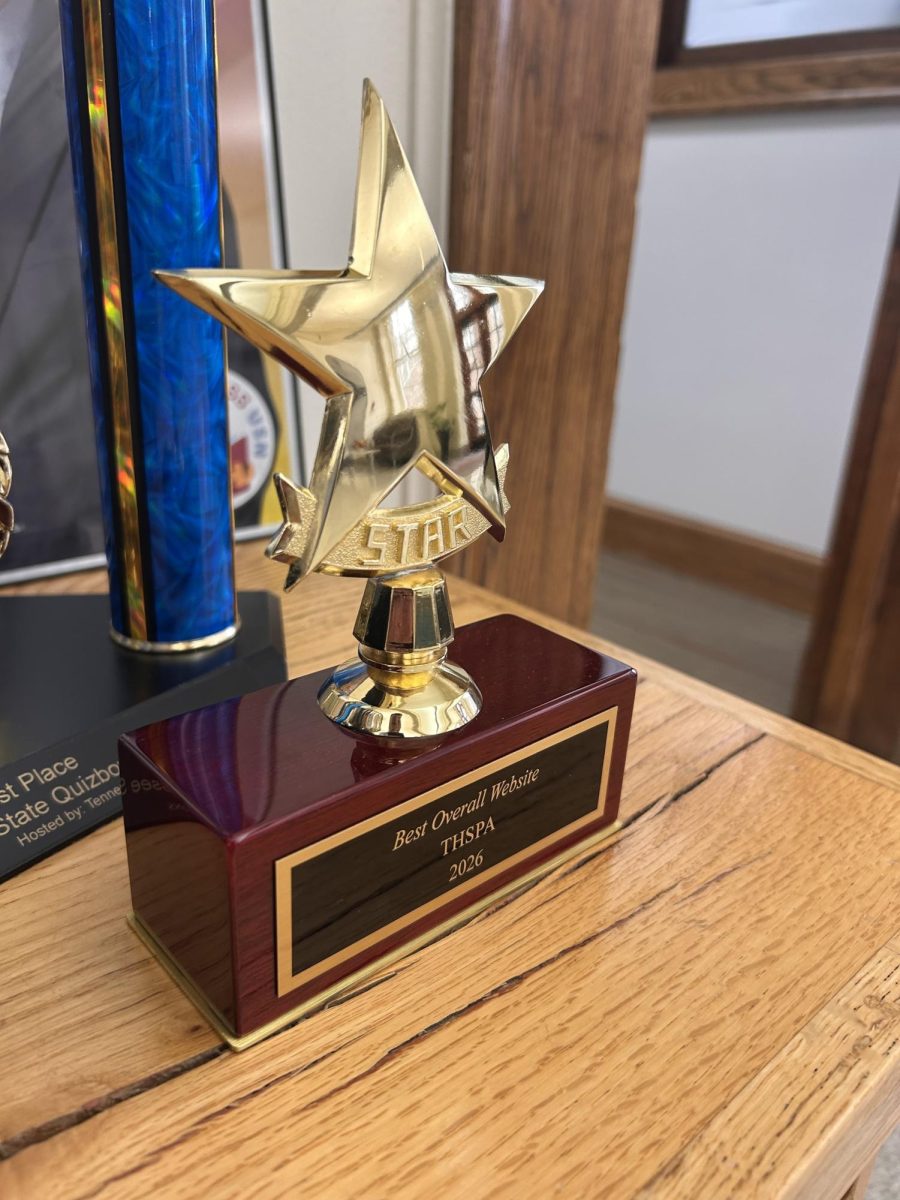
by Annie Cox ’24 and Olivia Jelsma ’23
February 2023
After three years of silence surrounding world language trips following the onset of the pandemic, mumblings of their return have begun to resurface within the world language department.
World language teachers and administrators are pushing to work out all the logistics to break down barriers and bring back trips abroad as we enter the spring semester. But in bringing back these trips, new questions have surfaced.

“How do we [have world language trips] in a way that gives everyone in our community equal access to those trips? And then how can they be done in a safe way?” said interim World Language Chair and Assistant Head of High School for Academics Jeff Edmonds. “Those are the two questions that, as we bring them back on board, that we’re trying to figure out.”
In terms of cost, many students may not be able to afford these expensive trips (past trips were about $2,000-4,500 a student). In order to provide equal opportunity for all students to experience other cultures over the summer, USN is working to figure out a concrete support system for families who cannot afford these trips.
“What are the opportunities for us to make finances less of a barrier for all of our students to be able to participate?” said Director Amani Reed. “That may be as simple as us finding a way to fund them as separate international programs- we spin this off as an international experience that families can either apply for financial aid for, or we could get grants or outside resources to support those programs.”
The liability of these trips has also raised concerns. Already, trips with groups of high school students bring up numerous safety issues, but when you factor in the fact that these trips are outside of the country, a lot of liability potentially comes into play for the school. For example, students could get robbed or end up getting into trouble in a different country. Along with this, the pandemic has brought along health concerns, especially when traveling internationally.
“Things could happen. What are we going to do? Is there a way to have extra insurance protection through our school business office?” said Sibley Kelly, middle school Spanish teacher.
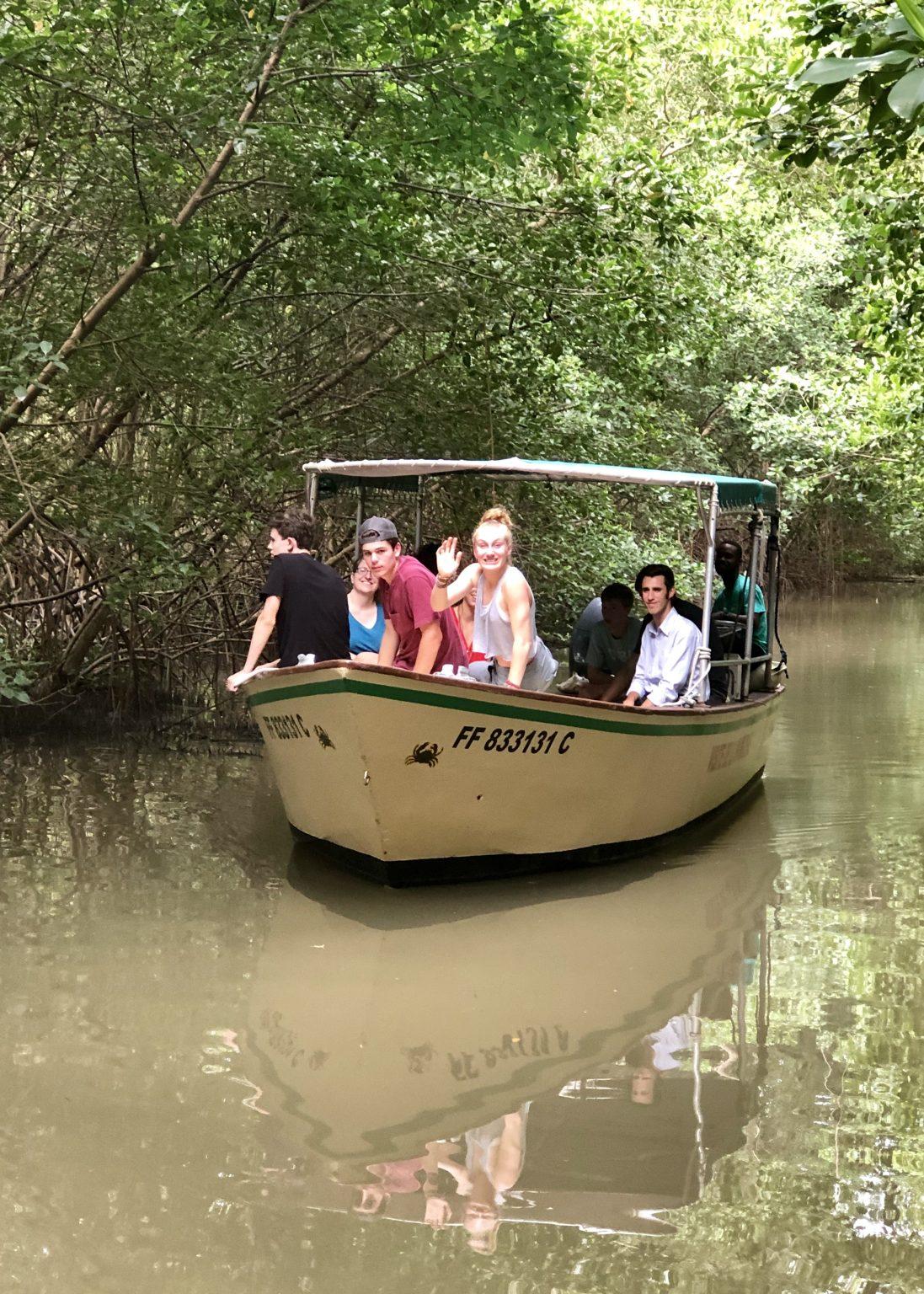
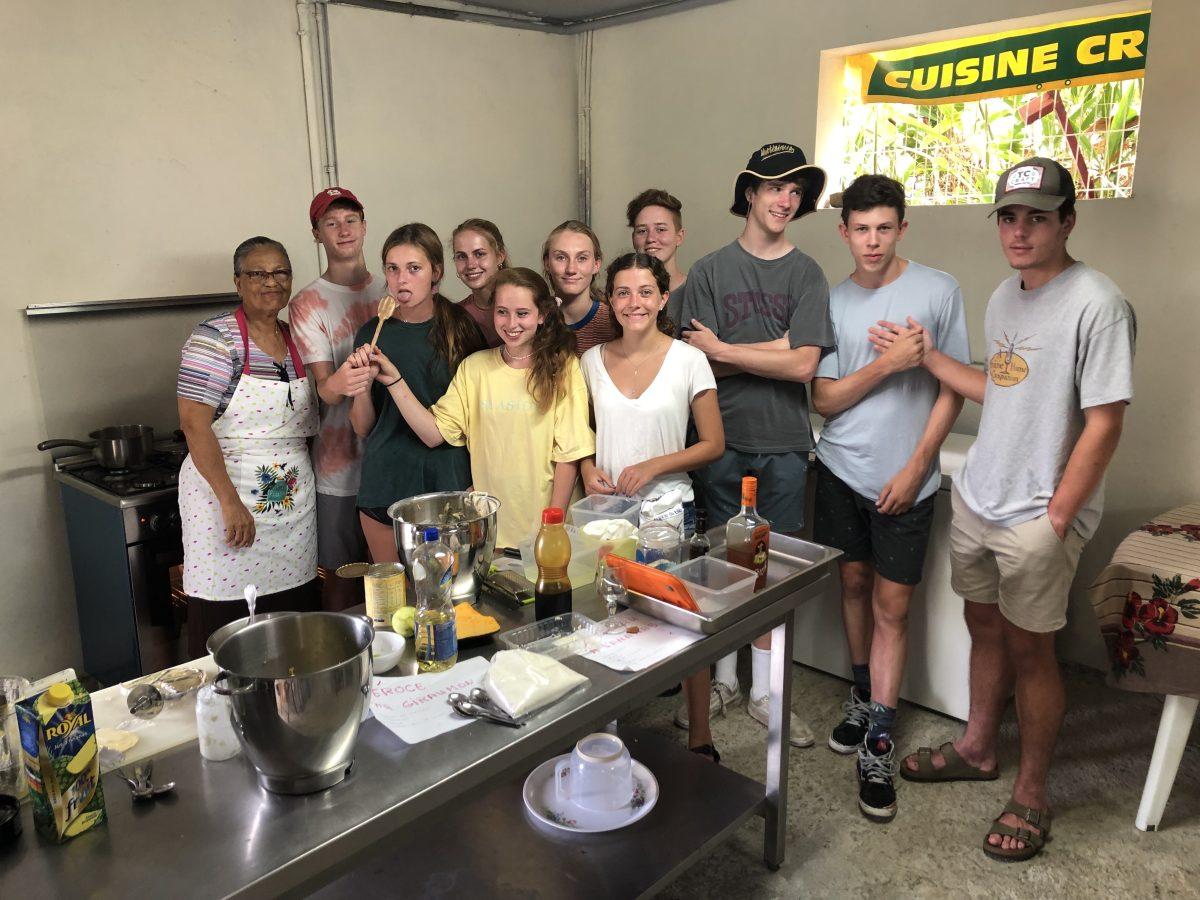
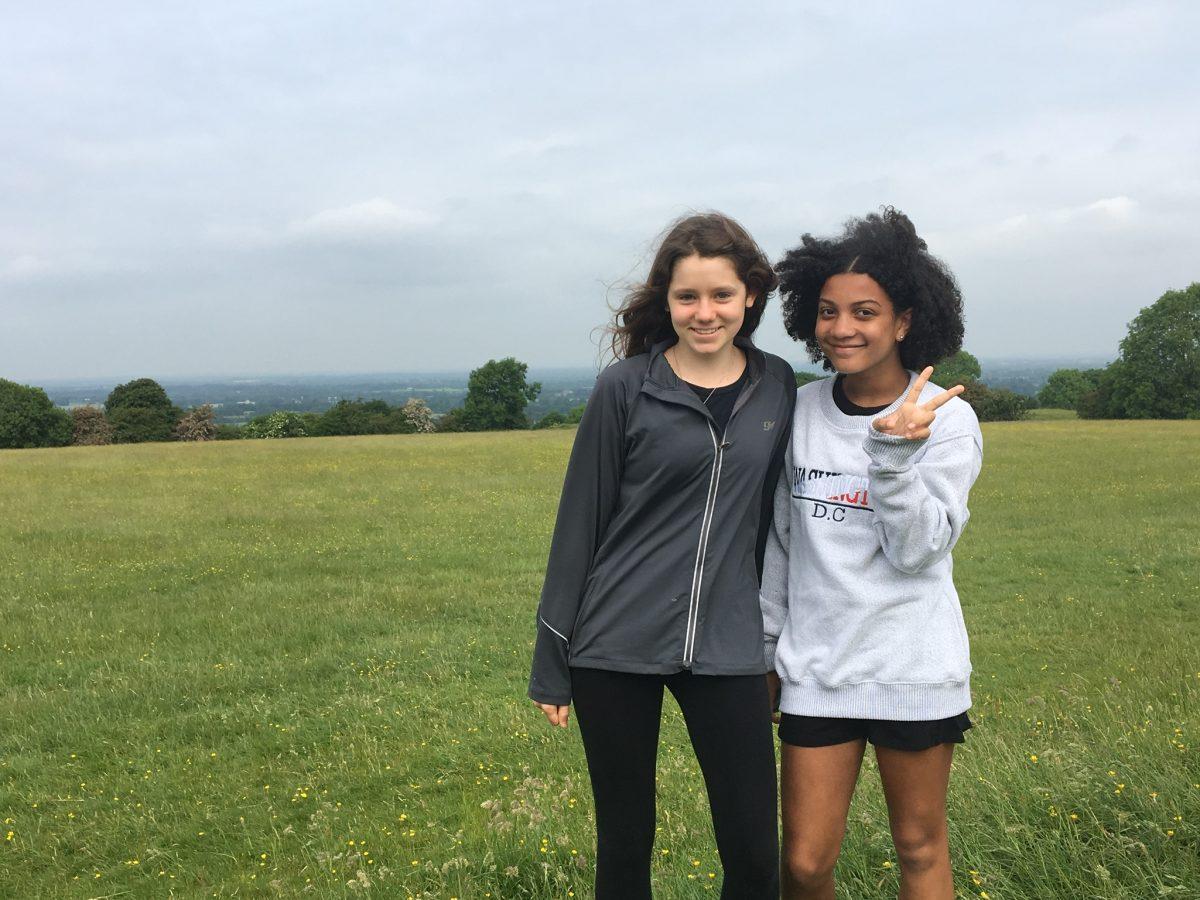
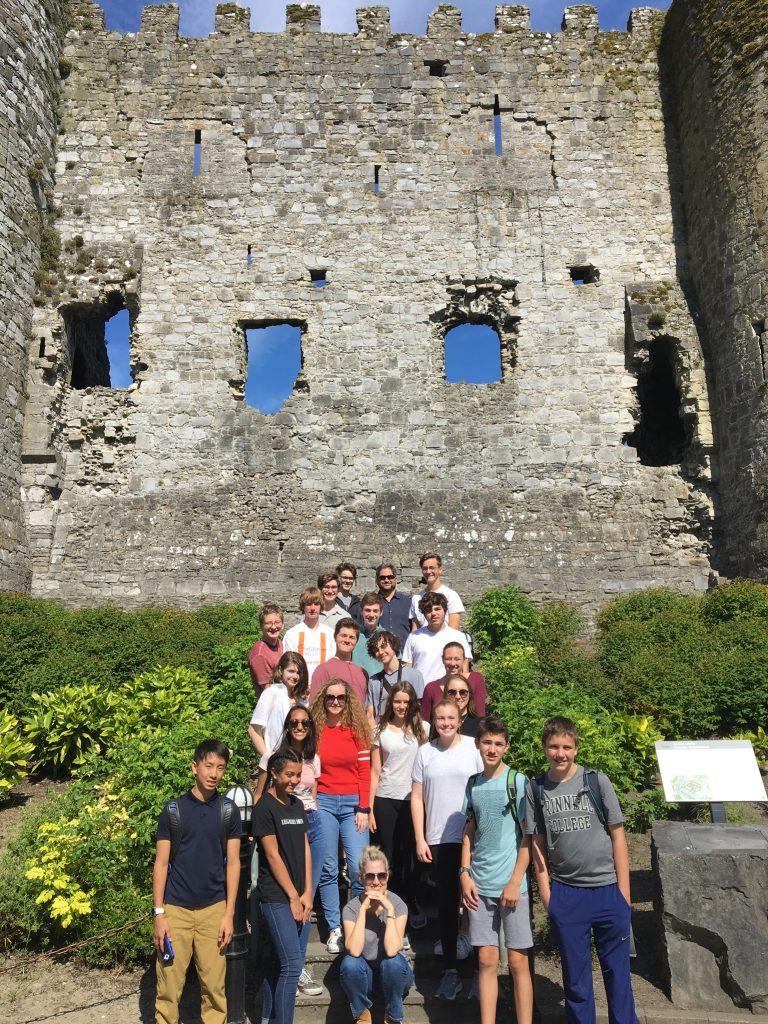

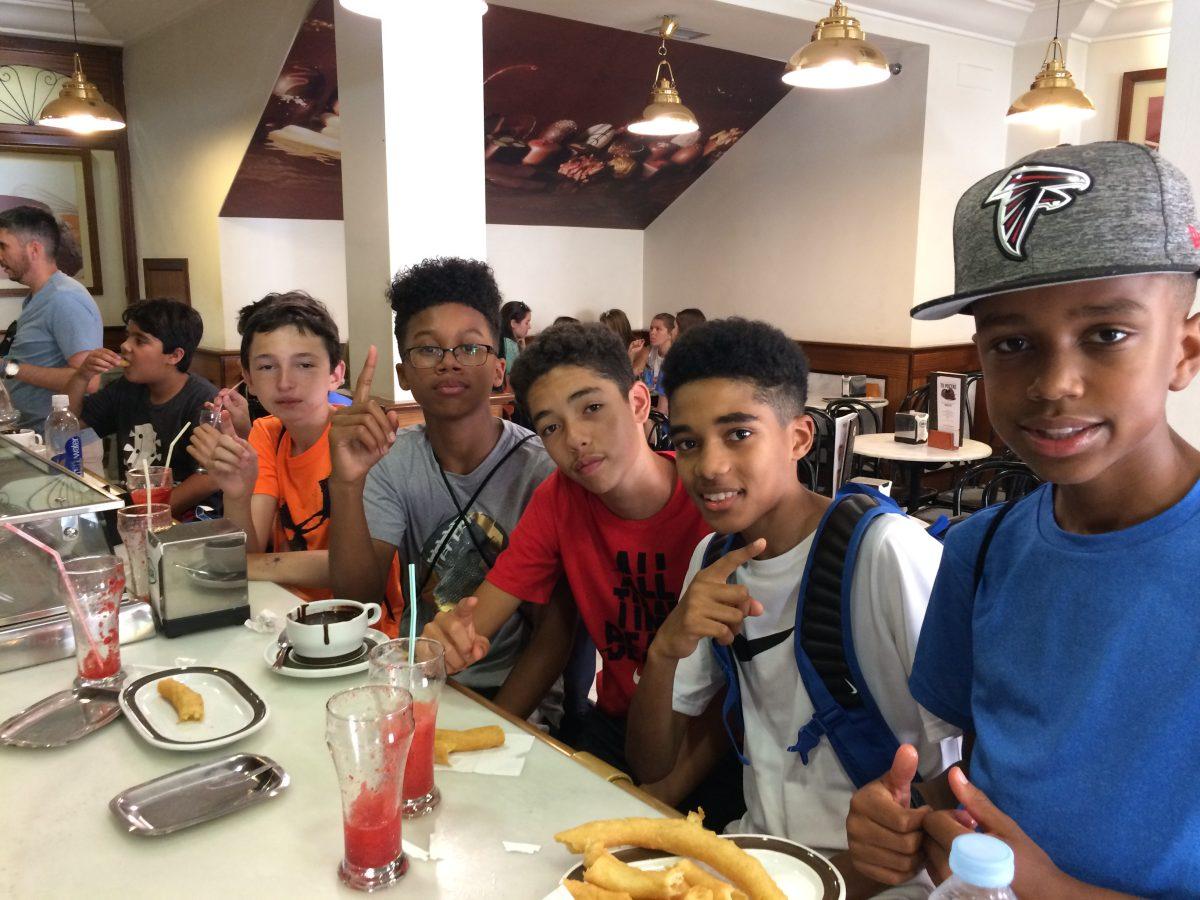

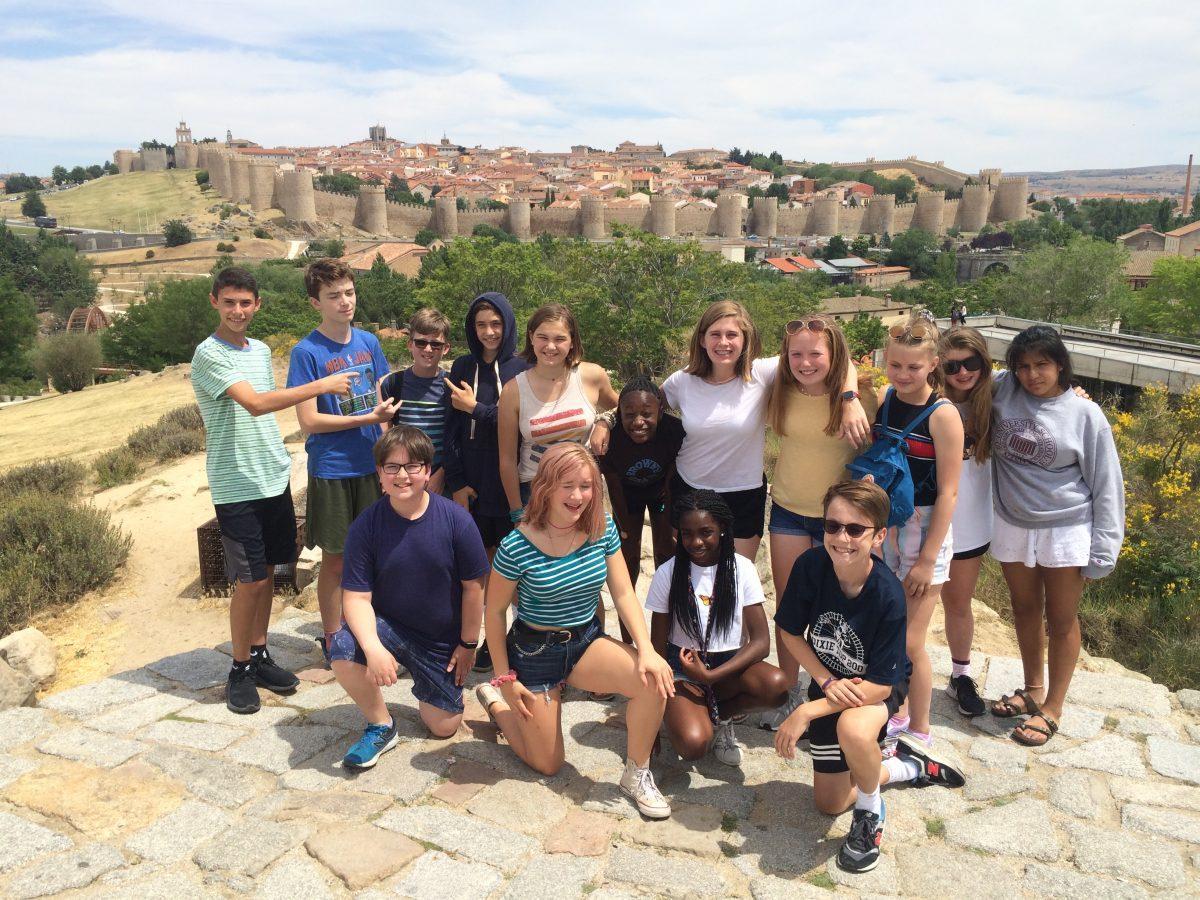

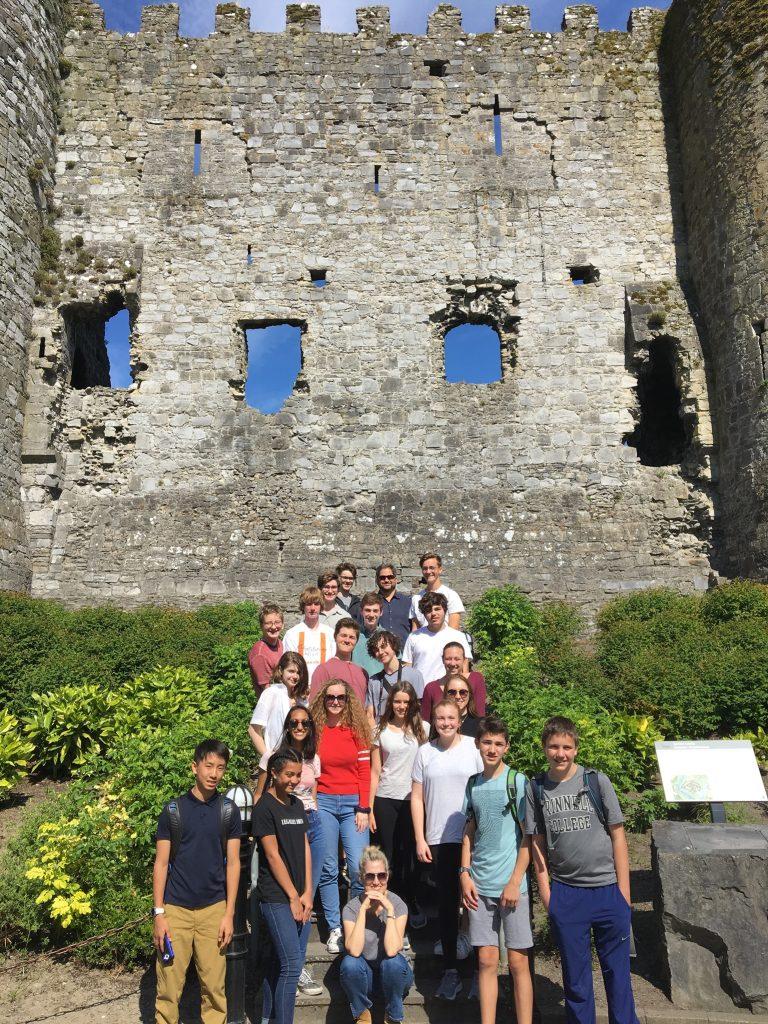
A photo gallery of previous USN-sponsored abroad trips. Photos courtesy of Richard Espenant and Sibley Kelly.
This liability reasoning is also a part of why current seniors cannot go on world language trips. Since they will have already graduated from USN by the summer, they will no longer be able to fall under the school’s insurance plan. This, combined with the timing of the pandemic, means that 2023 seniors may never get a chance to experience world language trips under the USN umbrella during their high school experience.
But all hope for an abroad trip is not lost for graduates.
“If graduation is a barrier, maybe it’s an opportunity for us to imagine something different with our Alumni Association,” said Reed. “Or another group that makes a travel grant available for you to participate.”
Aside from being deliberate in assessing the liability and the funding of these trips, the department has been looking into the purpose of these trips.
“The world language department really feels like traveling abroad is an essential part of our departmental mission,” said Edmonds. “The department feels like… exposure to other cultures and being in an immersive cultural environment… is really essential to what [world language teachers] want to give to students… I know that, post-COVID, we are looking to make a really intentional return to our world language trips.”
With that goal, Reed has been looking into the core purpose of these trips.
“If they’re intended to be immersive, how are we doing that? How do we make sure that students have the full breadth of the experience, so it’s not just tourism?” said Reed. “I think that, if we’re going to a place, that we really need to understand the culture of the people who are there.”
Reed hopes to find ways in which students can work on their language abilities while also helping others who don’t have the same opportunities as themselves.
“I’m also interested in service and long-term relationships with communities and organizations… Those long term partnerships matter––to go back to the same communities where we develop a relationship with a school or a center,” said Reed. “Then it’s a lot easier for us to have confidence that everyone is taken care of, and we have somebody to call and work with.”
Abroad trips may return deliberately with this community service aspect, but one thing will stay the same: “[Abroad trips are a chance] for you to be excited about whatever country you are visiting,” said Richard Espenant, high school French and Spanish teacher and advisor to the French Club.
“I’m hoping that your experience studying Spanish, for instance, is not going to be just learning in a classroom, but [that] you’ll be able to spend some time in a Spanish-speaking country at one point,” he added.