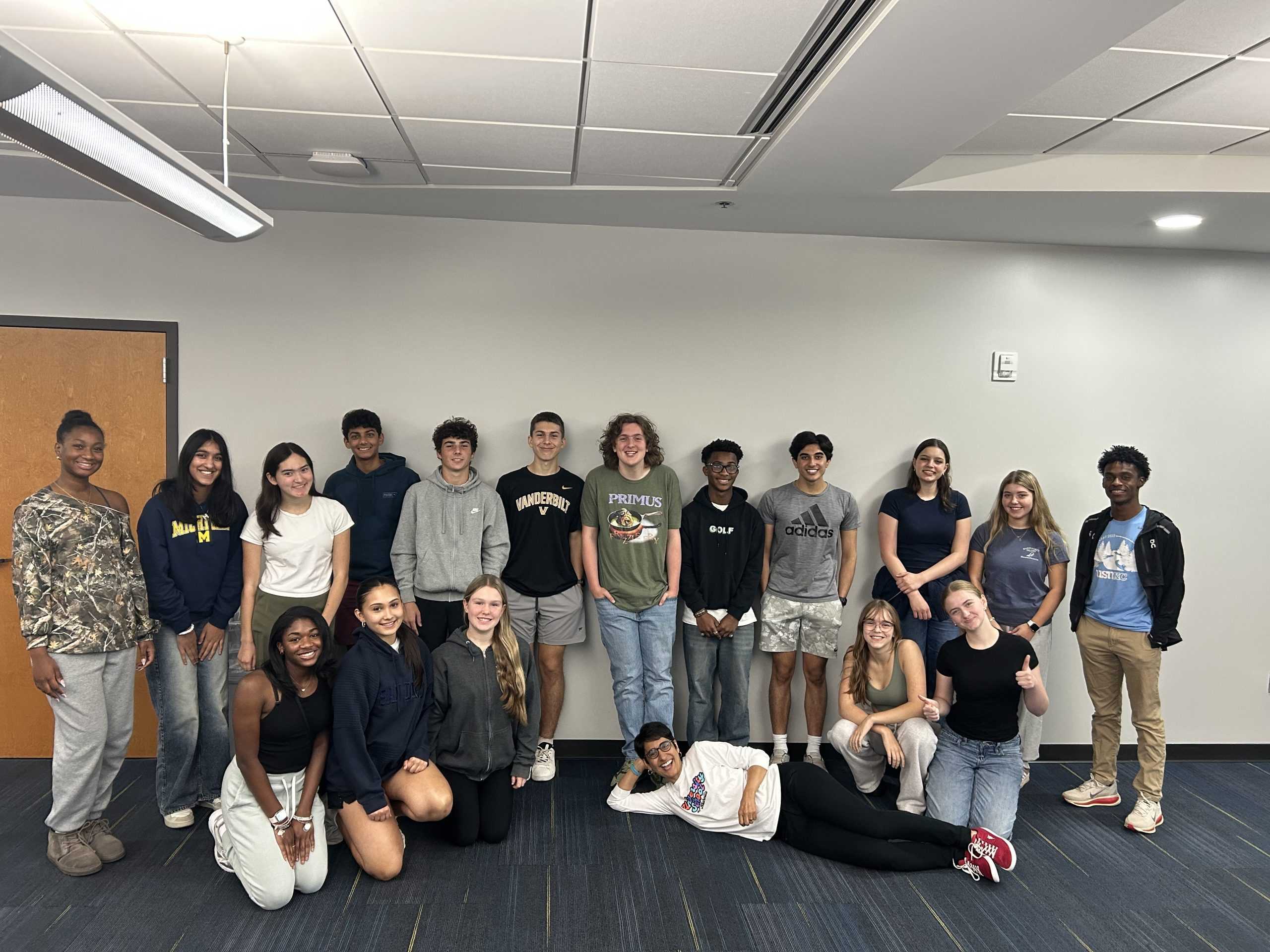
On Monday, October 6, Dr. Irshad Manji came to speak with USN high school students on behalf of her nonprofit Moral Courage College.
Manji previously came to speak with students on Thursday, March 20, during a lunch-and-learn to discuss collaborative communication skills after a session at inservice for faculty earlier in the week. This year, she hosted a two-day workshop where students could start the process to become certified Teen Mentors who would coach younger students in USN’s middle school on the tools they had learned.
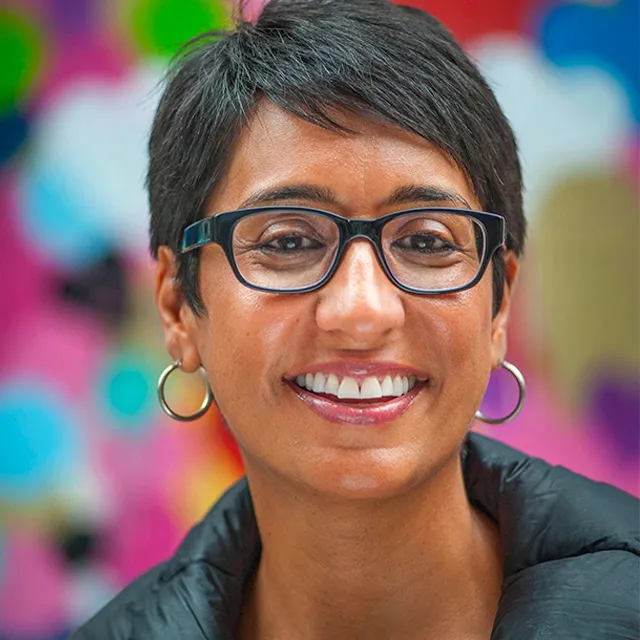
The program started with a four-hour block on Monday, where Manji first discussed her journey from debates to productive discussions. In the past, she would go on networks like CNN and argue with those she disagreed with. But after suffering medical issues triggered by the stress of constant debate, she realized that she didn’t want to keep fighting with others only to end up alienating them. Instead, she wanted to learn how to better understand others’ opinions and expand their perspectives through respectful conversation.
She presented Moral Courage’s methods for engaging across these divides.
- Breathe deeply.
- Don’t merely seek common ground. Create it.
- Before making statements about what you believe, ask a sincere question about what your Other believes.
- Listen to learn, not to win.
- Ask another question by starting with three simple words: “Tell me more.”
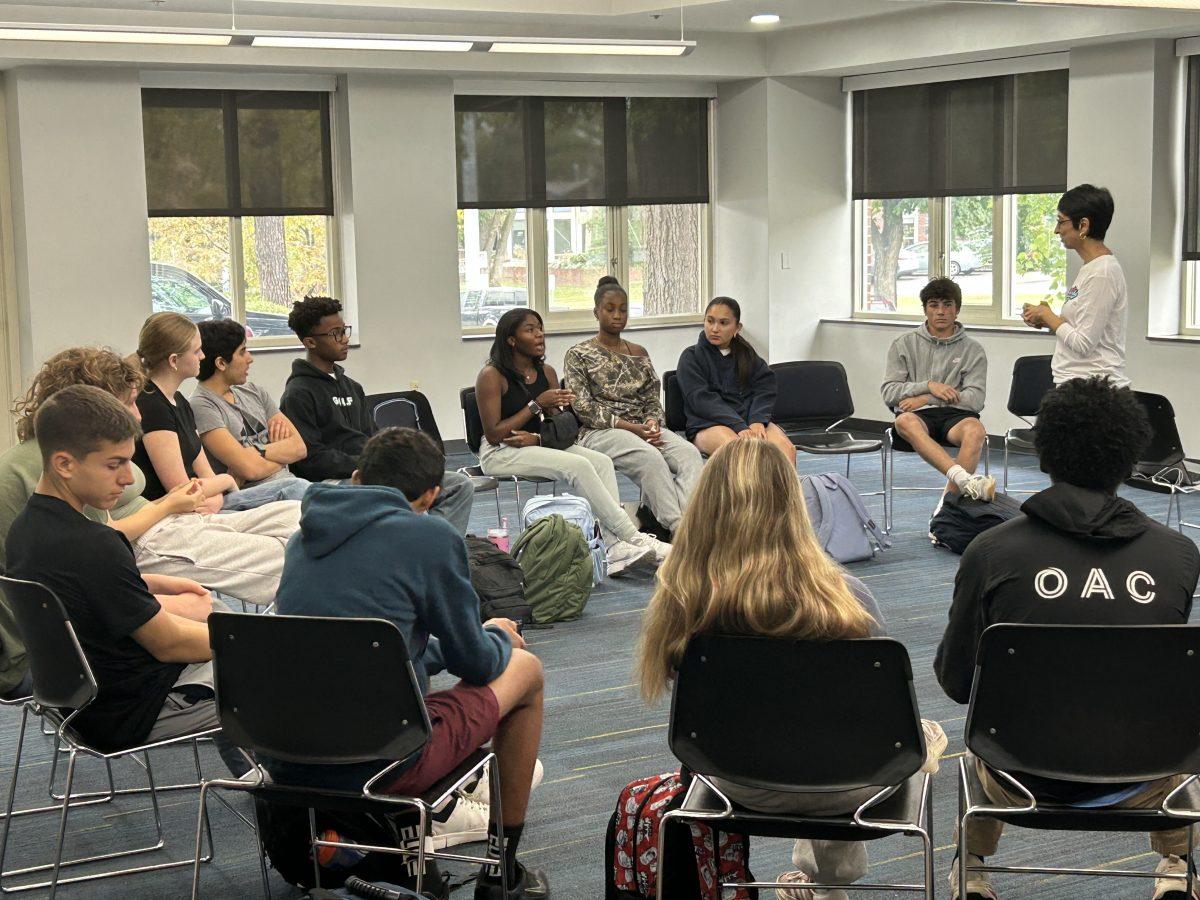
Finally, after talking through these techniques, Manji asked students to put what they had learned into action. They were placed into groups where they had to come up with a controversial topic and then role-play having a conversation about it. Manji would act as someone on the opposing side of that issue and challenge them to have a respectful discussion where they attempted to change her mind, even when she was playing her character to be intentionally frustrating.
The first group to go, Team Dinosaur, chose to discuss gay marriage. However, after Manji began deriding Pride Parades, the group grew frustrated, and turned towards attempting to have, as Manji described it, a “gotcha moment” rather than trying to connect. The next groups were far more successful, calmly discussing issues like the importance of voting and convincing Manji’s character of the merits of their side.
On Tuesday, day two of the seminar, the group watched a documentary called “Mississippi Rising.” When Mississippi still had the Confederate battle flag incorporated into its state flag, rapper and activist Genesis Be sought to come to an understanding with those who wanted the flag to remain unaltered.
In the end, she was able to empathize with the pro-flag party, who, in turn, became more understanding of Be’s concerns about the flag’s symbolism. Be now serves as a Global Ambassador for Moral Courage College.
After the film, the USN students discussed further action to become fully certified Teen Moral Courage Mentors and work to present what they had learned to middle schoolers in engaging ways for a younger audience.
Manji’s message resonated with Basil Broemel ‘28.
“I thought the stuff she was saying really spoke to me. Maintaining respect and being able to share empathy even through dissenting opinions is the way to go,” Broemel said.
Several moments from the seminar stood out to him.
“Both roleplay and the movie were examples of [moral courage] actually happening in action, which was interesting,” Bromel said.
Broemel continued that he would feel much less stressed about having difficult conversations in the future, and that he plans to go through the process to become a certified teen mentor.
Ruby Meador ‘28 said that she was initially skeptical of the program and the length of time it would require, but that she ended up really enjoying it.
“I really liked the message of it. I think it’ll help me be a better person, but also to interact with more people and build trust with more people easier,” Meador said.
Meador also stated that “Mississippi Rising” was impactful for her, as she was impressed by Be’s ability to keep herself calm under pressure.
“I liked how she connected with all these people even though they had such [differing] views; he [a member of the Sons of Confederate Veterans] understood her point and she understood his point. That’s what I want to be able to do,” Meador said.
Meador also felt strongly about the importance of having productive discussions.
She said, “I think, especially in our political climate it’s really necessary, and this will help us, and me, move forward in being calm and less argumentative.”
It remains to be seen how these new skills will be implemented in conversations happening across the USN community. The next time a student is having a difficult time talking with someone about a sensitive issue, Manji suggests that they take a deep breath, focus on empathizing with the other person, and attempt to fully understand the other’s perspective before sharing theirs, especially when it’s tempting to argue.
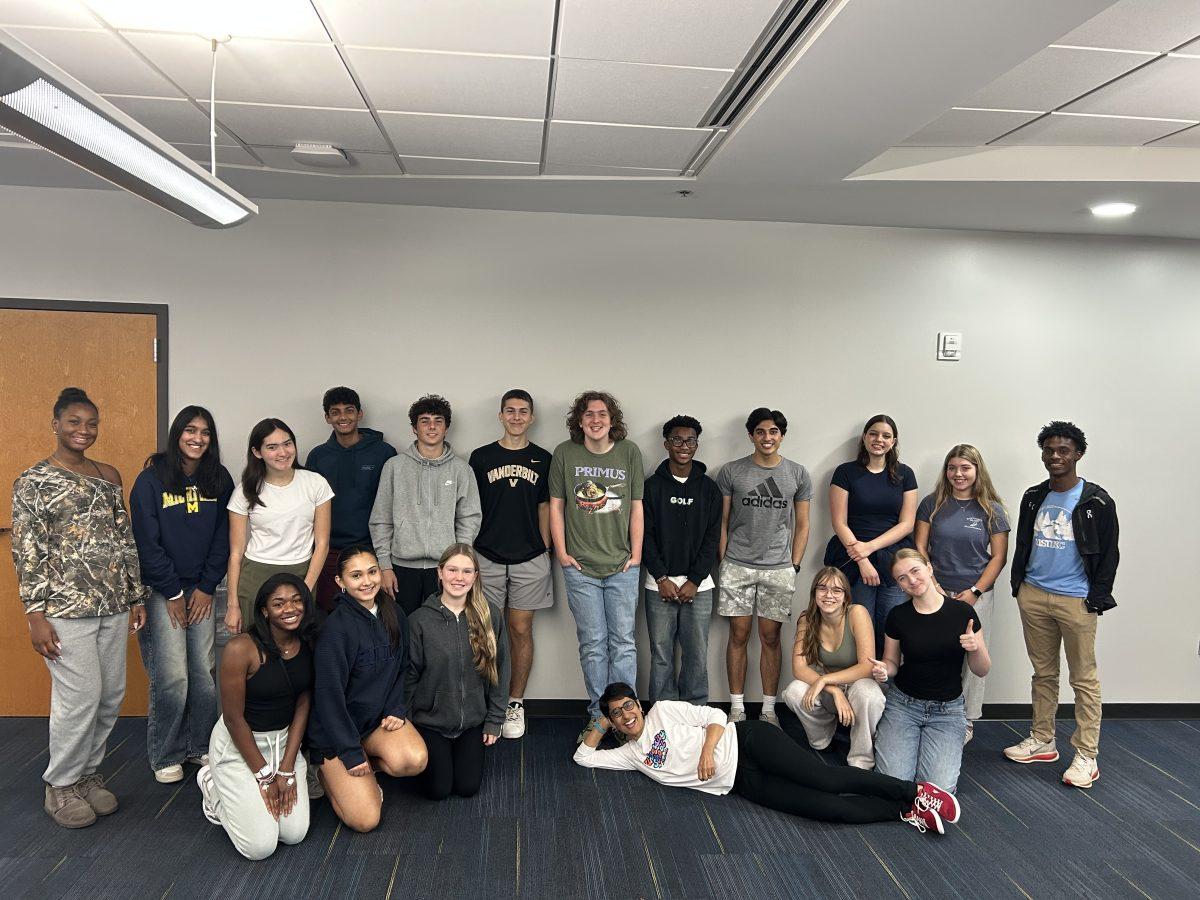
Editor’s Note: The writer was one of the 16 participants in the Moral Courage training.