by Kate Disher ’28
December 18, 2024
The opinions expressed here are strictly those of the writer and do not reflect the views of University School of Nashville or the Peabody Press.
“Immigrant”.
This word is the hot topic bouncing around the political climate of the United States. It’s defined by Merriam-Webster as “someone who comes to live permanently in a foreign country.” So, why does the American hive mind seem to register an immigrant as a negative presence in their country, draining them of their hard-earned resources? Their money, their precious time, their jobs.
As an immigrant myself, I think about this question every day. One of the initial questions the United States government asked me and my family during our immigration process was: “what do you bring to the United States?” It almost carried the same sentiment as asking: why should we let you be here? Why do you deserve to be a citizen of our country?
I was eleven years old when I immigrated to Nashville, Tennessee. The key word to be stressed in that sentence is immigrated. I wasn’t born here; my existence here is not temporary or a vacation. I moved here from my home country in pursuit of American values and freedoms, as many immigrants do.
So, if my immigration experience is increasingly similar to any other legal immigrant’s, why am I considered to be different from other immigrants?
Well, after years of being told I’m “not a real immigrant,” I think I’ve finally reached the answer: I’m not the other.
This hatred of the other that is so pertinent in American and Western culture is nothing new, but it was odd to be confronted so abruptly with complaints of my being “too white” to be an immigrant. I’m never quite sure what to say to these remarks, and not sure whether to feel guilty or outraged.
I understand very well that the topic of race is extraordinarily taboo to discuss in American culture, so I was very affronted to learn that many of my peers had no problem using me as an example of a good, legal immigrant simply because I’m white. While it is true that I am a legal immigrant in the United States, it is not true that I am here legally purely because of my race.

There have been too many instances to count in which I have been formed in my peers’ minds as a poster child of what an immigrant is not supposed to be. In one instance, I was debating with a peer about the immigration process in America, and my peer told me that I “should stop claiming to speak from an immigrant’s point of view when I’m ‘not a real immigrant.” I don’t look “foreign” to the average American. The only remotely foreign thing about me is the accent that seems to persist through all the years I’ve been here.
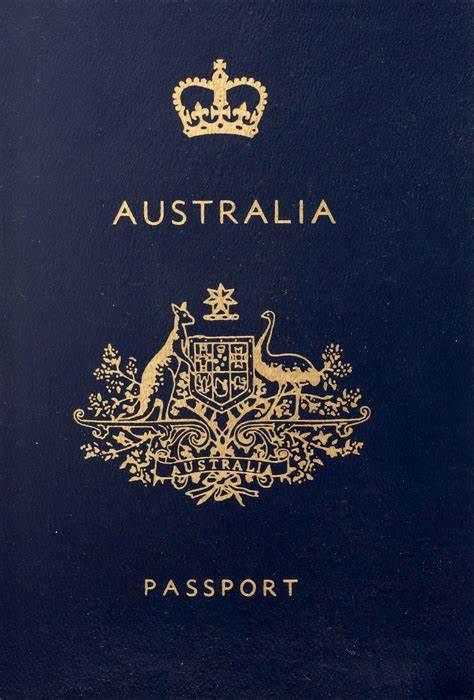
People tend to ask me if it’s hurtful when they mock me or Australia.
My short answer? Nah, not really.
The longer answer, however, is that there’s a nuanced connection between how white vs. brown immigrants are perceived as it relates to everyday life. While it’s not hurtful to me per se, it’s harmful to the overall ideology that immigration is a big joke that everyone can play into. Part of why it can be so hurtful is because the same people that believe only brown people can be “real” immigrants are the people that choose to mock Australia.
Many Americans have the lingering idea that all immigrants have to struggle with racism, and that’s not necessarily true. While it’s arguable that I deal with my own form of racism in being told I’m not a real immigrant, I don’t struggle with the perception of being “illegal”. While I never had to navigate a language barrier, mocking me for being an immigrant is as hurtful to these societal norms as mocking a Mexican immigrant for their culture. The challenges of white immigrants should not be overlooked and dismissed purely because we can “pass” as being American.
In conclusion, you can make the decision for yourself whether or not it could be deemed harmful to mock someone for their culture, or you can consult the person about it if they seem like they might take offense to it. At the end of the day, the safest option is to just be respectful.