by Joy Neely ’23
November 23, 2021
From a global pandemic, to a divisive political climate, to dissatisfaction with the government, the past year has been a train wreck. One of the worst parts of it all, however, was not being able to go to concerts.
Towards the beginning of 2020, the Center for Disease Control and Prevention ruled out all gatherings regardless of size since they increased the likelihood of COVID exposure. These gatherings are often planned events with many guests and invitations including things like lodging, event staff, security, tickets, and long-distance travel. You know what falls into those categories? Concerts.
Removing precautions have forced artists who have strict COVID-19 safety policies to reconsider performing in Tennessee, especially with the delta variant; however, venues are able to continue to require that ticket holders show proof of a negative COVID-19 test before entering a show. The CDC does not provide specific numbers, including maximum or minimum numbers, of attendees for events and gatherings anymore. Event organizers have to work with local public health officials and follow applicable local laws for them specifically, including those related to privacy to determine the prevention strategies needed in their area.
These precautions quickly became industry standard, with varying protocols adopted by concert promotion giants AEG and Live Nation. Last August, a dozen independent Nashville music clubs (including the Basement, Exit-In, Bluebird Café and Cannery Ballroom) uniformly announced that patrons must provide vaccination proof or a negative COVID-19 test within 72 hours of show time.
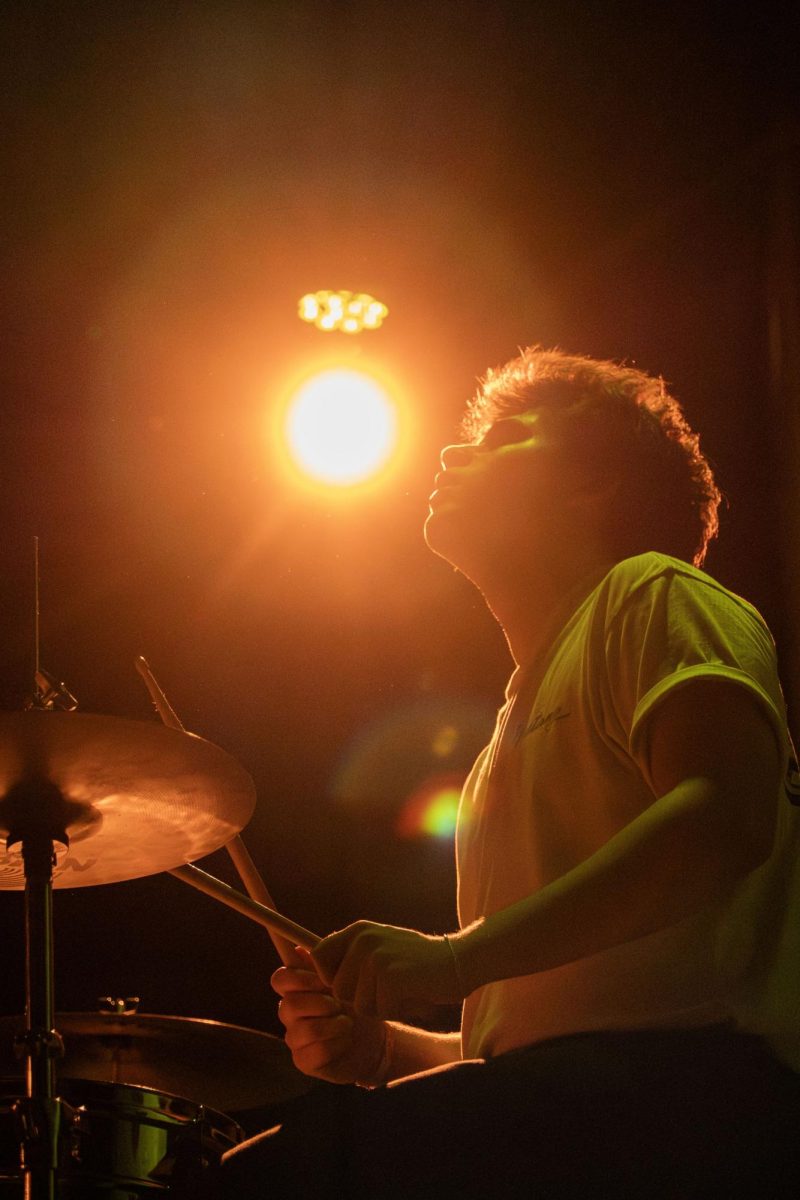
Now with COVID regulations finally loosening, adrenaline junkies running wild, live, in-person concerts are on the comeback. Huge musicians like Jack Harlow, Alina Baraz, Louis the Child, Harry Styles, and H.E.R have all stopped by Nashville already on their 2021 tours, excited to return to the music scene.
Artists and venues are eager to get back to pre-pandemic life, after losing almost two-thirds of their income in 2020. Larger festivals like Lollapalooza, Rolling Loud, Governor’s Ball, and Astrofest have also made an appearance towards the latter part of this year.
However, as concerts have returned, audience safety has become an increasing concern for viewers and artists. Many people have been so excited to see their favorite performers that chaos has erupted at the concert venues.
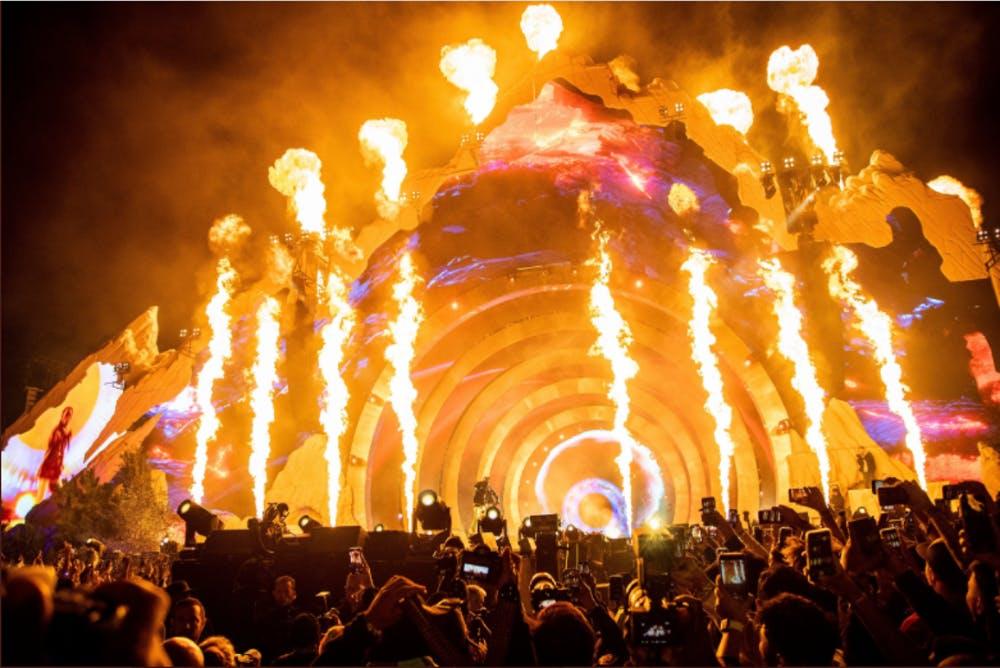
On November 5, Travis Scott hosted Astrofest, a music festival dedicated to his hometown favorite amusement park, SixFlags Astroworld in Houston. Due to a crowd surge after Travis came on stage at NRG Park, 10 people were killed and more than 300 were injured. Officials in Houston declared this a mass casualty event. An estimated 50,000 people were in attendance at what the festival’s website considered a sold-out show but 50,000 more managed to sneak in. Although Scott has offered to pay for therapy costs and funerals for all of those affected, it makes society wonder, did being inside for so long prompt people to act out of character at big events. Have we lost our minds…literally?
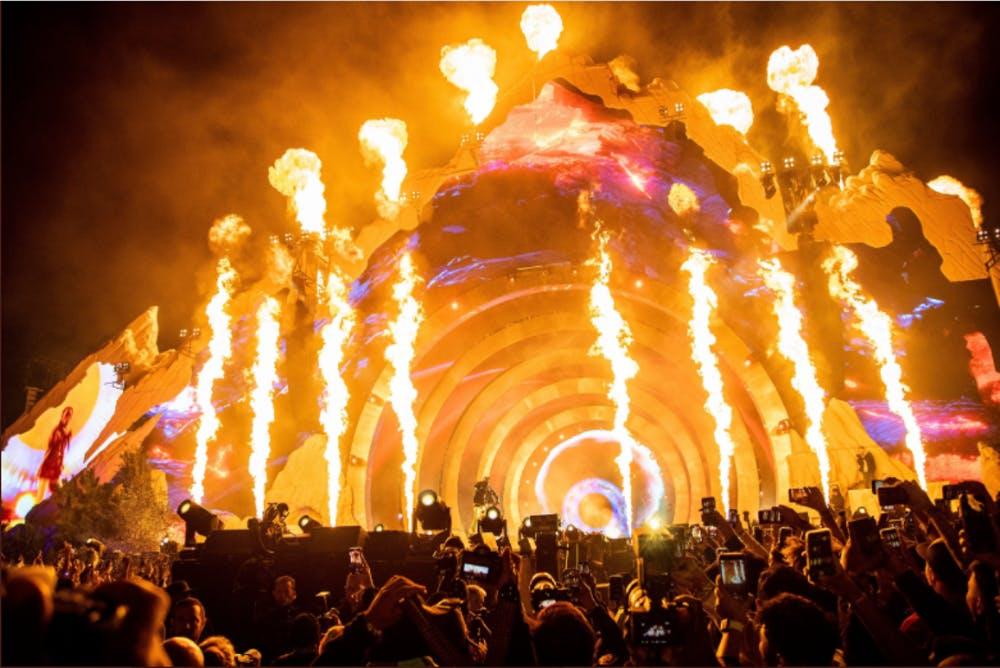
As concerts are finally coming back after this confined year, people are willing to “go big or go home,” like what has already been seen. The pros and cons of this rapid comebacks have caused sorts of concerts among people.
Although the COVID-19 crisis is far from behind us, one can best believe concerts and music festivals will continue to be alive and well. People need an outlet from all the stress and isolation they’ve felt these past two years, and music is the perfect opportunity to dance, sing, and overall, feel a sense of release.