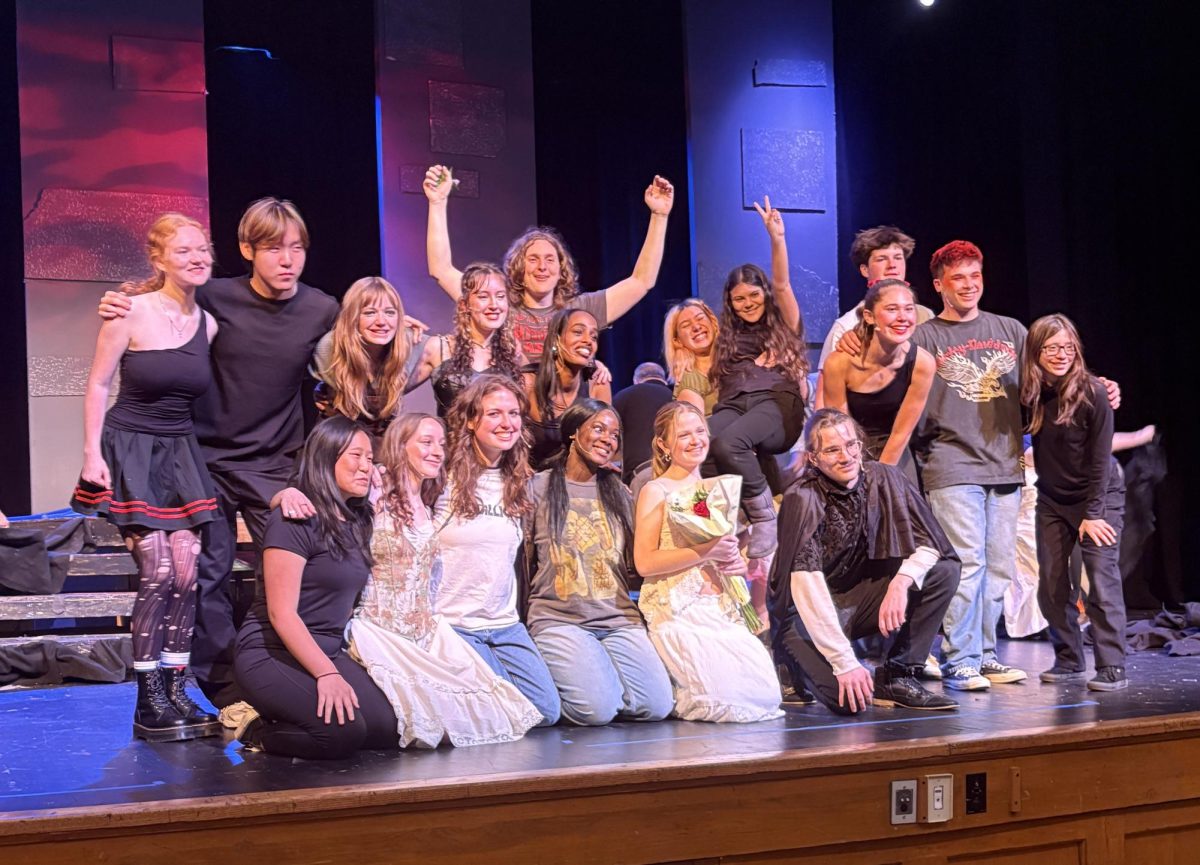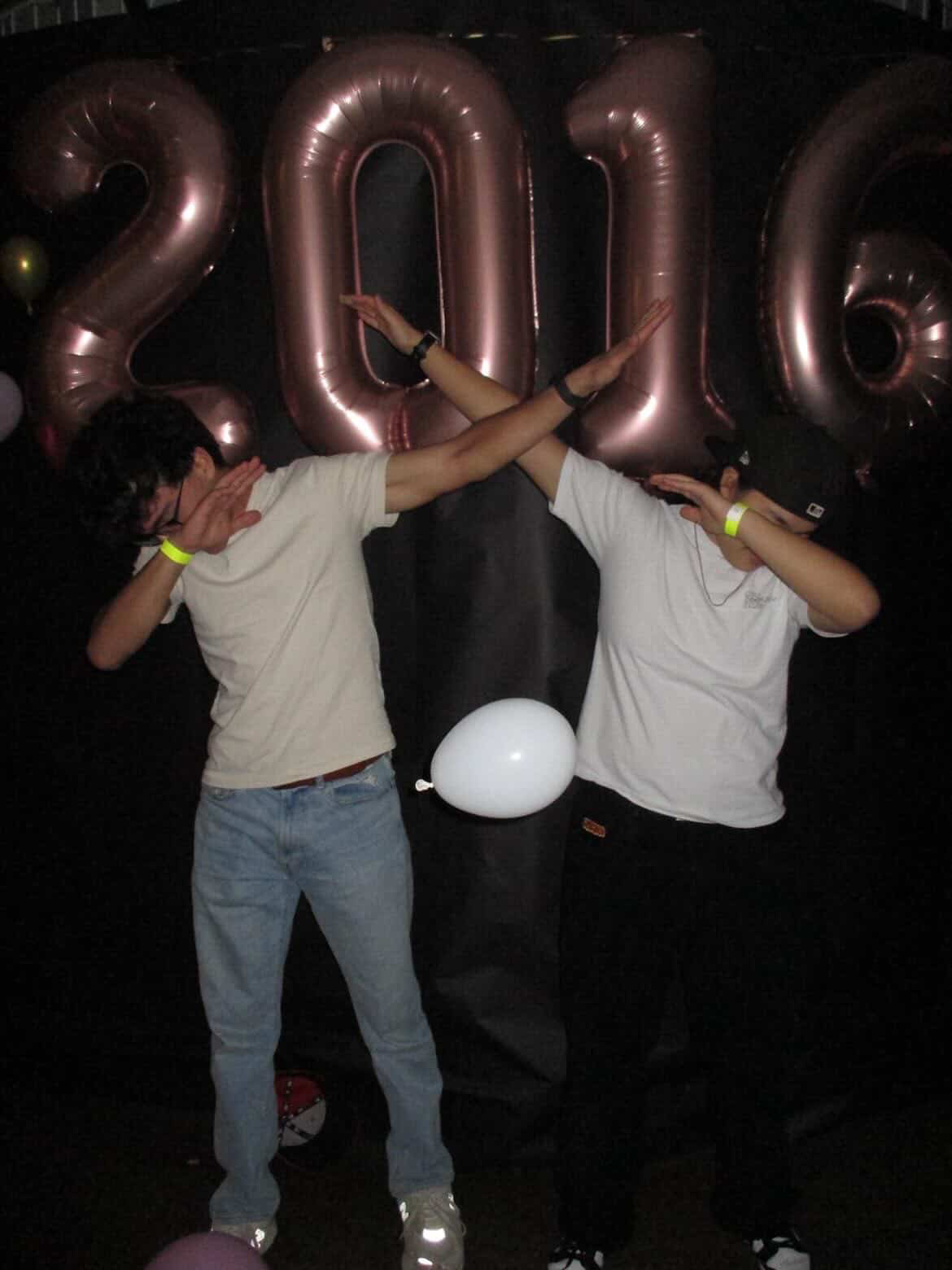
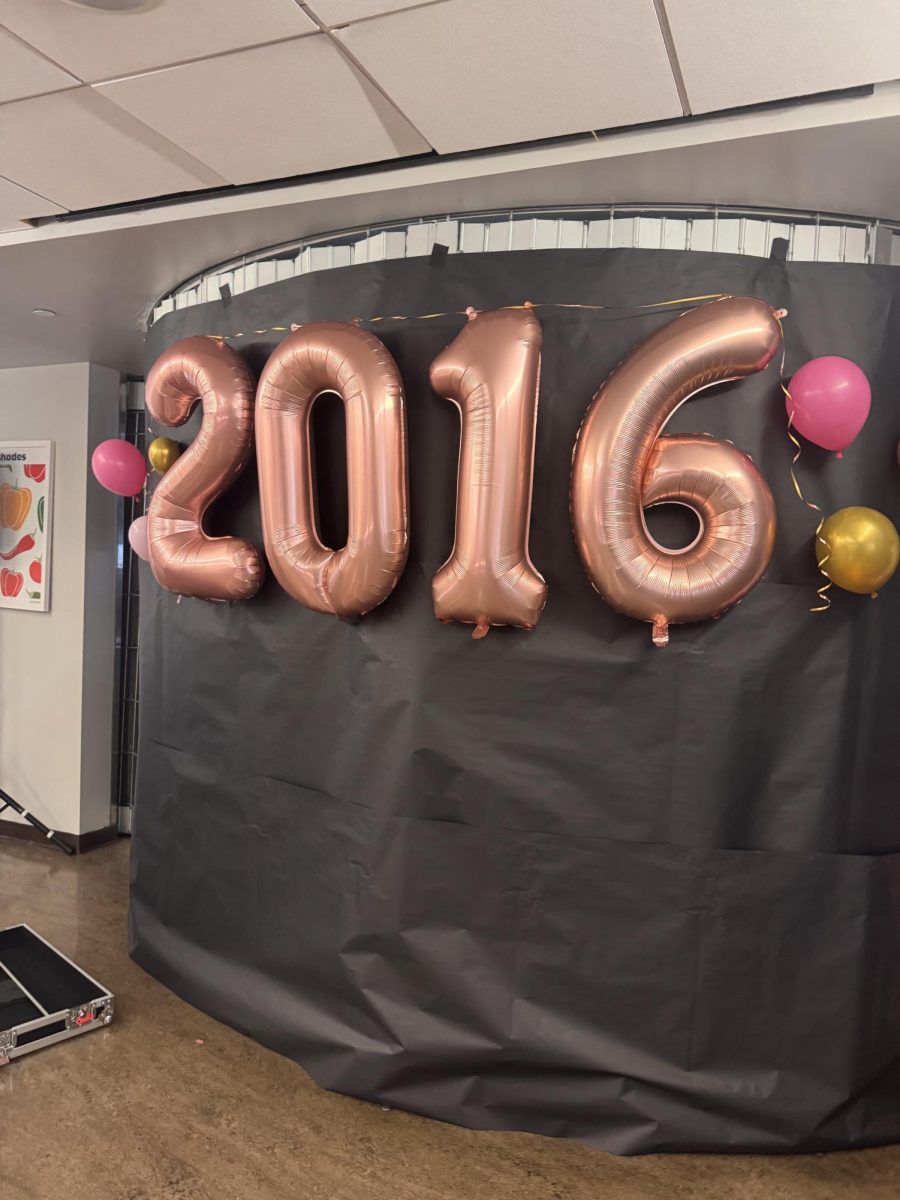
On February 21, the Peer Educator Assistants (PEAs) hosted a dance themed around 2016. The timing was not random.
A phrase has been quietly gaining traction: “2026 is the new 2016.” Short-form videos, throwback posts, and revived aesthetics are pulling a decade-old era back into the spotlight.
The hashtag #2016 alone has been tagged in over 500,000 TikTok posts and amassed roughly 9 billion views, showing that conversations and content about 2016 aren’t isolated but part of a major social‑media moment.
The interesting question worth asking is why we keep coming back to this aesthetic, considering that 2016 itself borrowed from the late 1990s.
The answer has less to do with nostalgia and more to do with what 2016 represented: a moment when the internet felt slower, trends lasted longer, and everyday objects carried genuine cultural weight. In 2026, when aesthetics burn out in weeks and trends rebrand overnight, that kind of staying power feels rare enough to warrant revisiting.
In online culture, 2016 had a quality that is hard to name and easy to miss now that it is gone: sincerity. Certain social media platforms were still new enough that people had not fully figured out how to perform for them. People were using the internet to figure out who they were, not to broadcast a version they had already decided on. That uncertainty looked, from the outside, like freedom.
Trends lasted longer because there were fewer of them. An aesthetic could survive a whole school year. A song could own an entire season. That kind of cultural slowness feels almost unimaginable now, which is exactly why people keep reaching back for it.
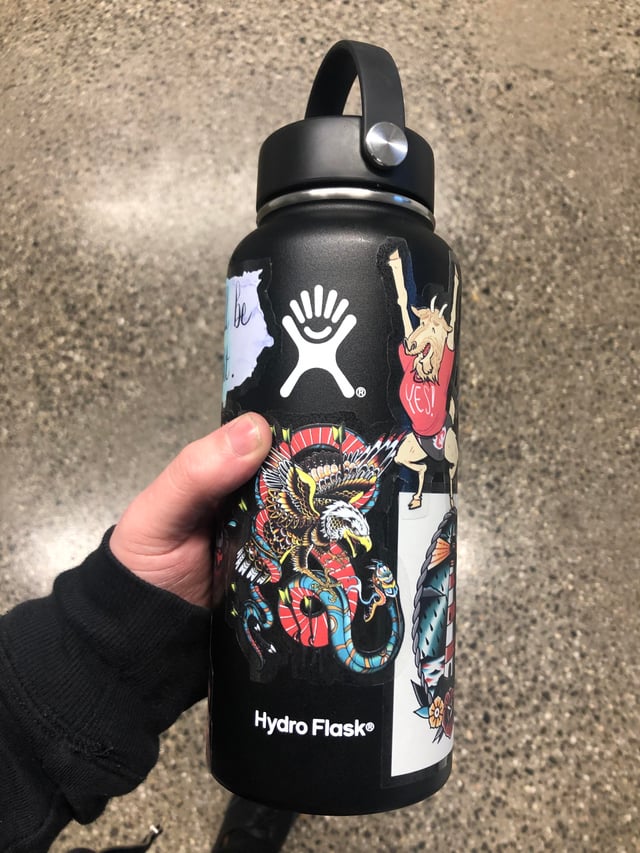
The objects from 2016 make more sense once you understand that. Every object was meant to be noticed, naturally, by a generation growing up arranged for the camera. Bath and Body Works PocketBacs got clipped to backpacks in glittery holders, collected by scent, traded between friends. HydroFlasks got covered in stickers until the original color was barely visible. The stickers were not decoration; they were the point. Even bullet journals, which were technically just planners, became aesthetic objects, photographed and posted as proof that your inner life was as carefully arranged as your feed.
Music worked the same way. Mid-2010s pop leaned into moody production, mid-tempo rhythms, and 1980s-inspired synthesizers, with artists like Justin Bieber, Rihanna, and Drake dominating both streaming charts and social feeds. Their songs shaped how people dressed, what filters they used, and what they posted.
None of this felt cynical at the time because, mostly, it was not. The performance and the sincerity existed at the same time, which is a balance that later years completely lost.
A lot of what felt fresh about 2016 was secondhand. Scrunchies and chokers were ’90s staples that came back through celebrity and runway influence. Polaroid cameras were a deliberate rejection of digital clarity, a lo-fi aesthetic borrowed from decades earlier. Hair dye in bold colors, made mainstream by Kylie Jenner, was a form of rebellion that had already happened before.
2016 was already itself a revival. It was the 1990s filtered through Instagram, repackaged for a generation that had not lived the original. Which means when 2026 revives 2016, it is technically reviving a revival of a revival, each one keeping the aesthetic and discarding the context it came from.
2016 borrowed from the ‘90s so completely that it stopped being the ‘90s and became something new. The same process is happening now.
And, honestly, 2026 is exhausting in a way that 2016 was not. Trend cycles have collapsed from years to weeks. Aesthetics get named, tagged, peak, and die before most people have heard of them. The internet moves so fast that looking back ten years feels like looking back thirty, because so much has happened in between.
Against that backdrop, 2016 looks comparatively almost peaceful. Not because it actually was, but because the pace was slower and the sincerity was higher and nobody had fully optimized their personality for an algorithm yet. People were still figuring it out, and that messiness reads now as relief.
What the 2016 revival is really about is not the EOS lip balm or the flower crown filter. It is about wanting a version of the internet that had not yet learned to be ruthlessly efficient.
That version existed, briefly, and then it was gone, and now the only way back is to borrow the aesthetic and hope some of the feeling comes with it. Whether it does is a different question. But the fact that people keep trying says something real about where we are now.