by Martha Gray Sasser ’27
The opinions expressed here are strictly those of the writers and do not reflect the views of University School of Nashville or the Peabody Press.
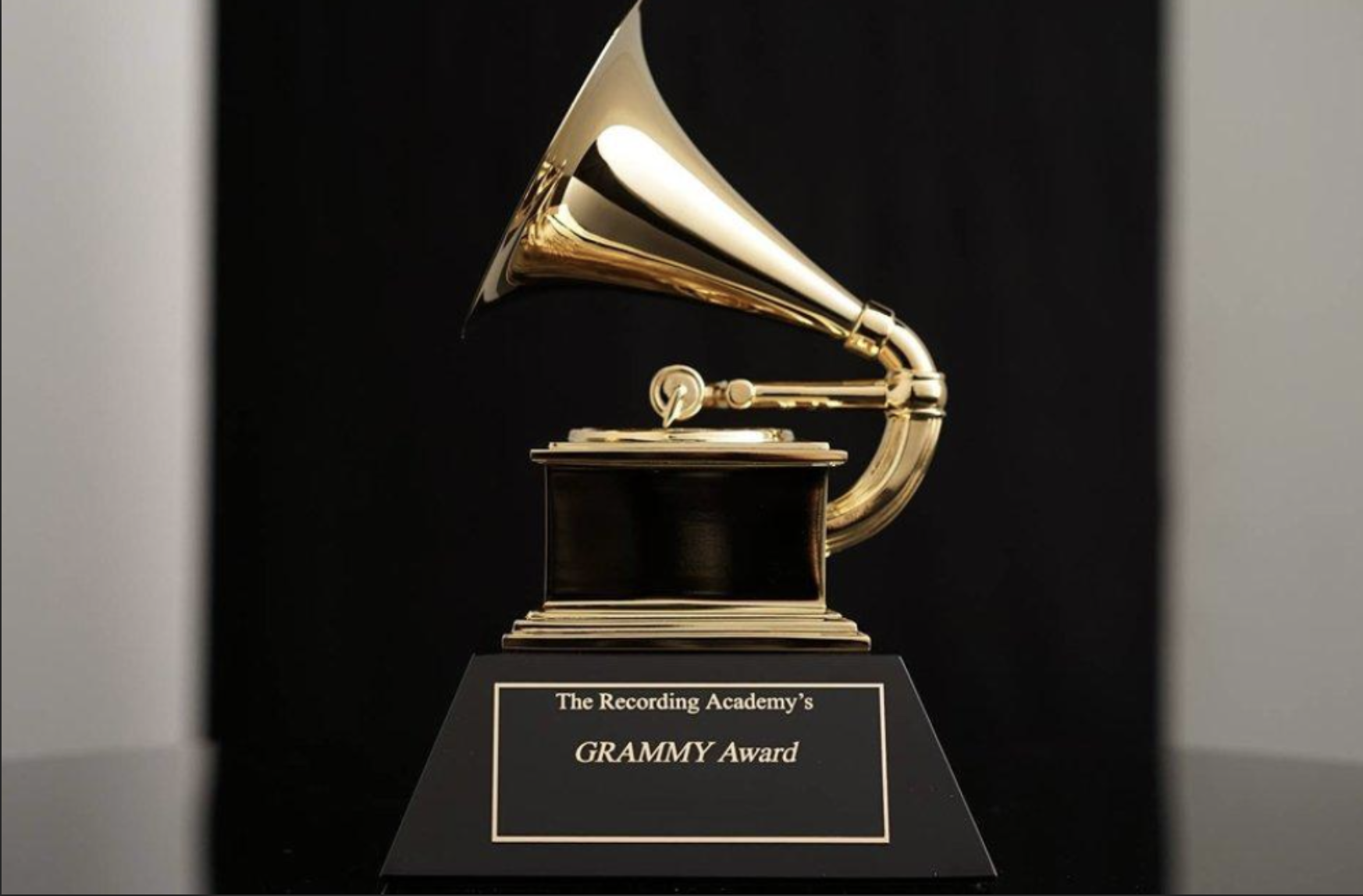
The Grammys are one of the biggest annual award shows. For artists to be considered for a Grammy, they need to make sure that they comply with the standards of the Recording Academy—officially known as the National Academy of Recording Arts and Sciences— and complete a few tasks. By doing so, the Recording Academy will be able to consider them for a Grammy. The Recording Academy protects artists and producers in the music industry.
Each year they begin the Grammy process by setting a timeline in which songs must be released to be eligible for Grammy nomination. For the Grammys this year (2024), songs must have been released between October 1st, 2022 and September 15, 2023. This can lead to songs not being eligible for Grammy nominations until years after their release. For example, songs released in 2022 could not be seen in the Grammys until 2024, only because they missed the Grammys’ nomination time frame. Songs must also be commercially released and have to be sold in the US. If a song or album is commercially released, it is legally released for streaming, purchase, or download. This prevents self-made records sold on the streets from making their way to the Grammys.
Once artists have made sure that your song has been fit into both of the categories, then they may submit an entry to the Recording Academy to be considered for nomination. However, not all submitted entries are automatically eligible for a Grammy nomination, because the Recording Academy then picks from the entries to decide who will be nominated.
This also makes it harder for newer artists to be considered for a Grammy. While many people and fans may assume that the Recording Academy picks based on the musical talent or how good the song is, it is believed that most of the decisions are popularity-based. This means that newer artists (excluding the best up-and-coming artist category), are less likely to be picked for bigger category names, such as best album or best song. The system of selecting nominated albums, songs, or records can sometimes result in the popularity of an artist—as opposed to the sheer musical merit of a song or album—having the biggest impact on who ultimately wins a Grammy.

After nominations are finalized, the Recording Academy members convene to decide who has won. However, not every member will be eligible to vote on the Grammy nominees. For the Recording Academy members to be eligible, they must be in at least one of the four categories set by the Academy.
Members must have at least one of the four, if not more, and also be a Recording Academy member.
The first category of artist has credit for at least 12 digital or physical tracks that are available for purchase or streaming. This means that the members must have released a song that people can either stream (listen to on Spotify, Apple Music, etc…) or purchase (records, CDs…). One of the 12 tracks must have been released in the past five years.
The second category of artist has six commercially available physical tracks available for purchase. This means that the songs must be available for purchase in the forms of ways other than streaming. One of these tracks, similar to the first category, must be released in the past five years. This is to ensure that Grammy voters are still active in the music industry when they cast their ballot.
The next category of artist has won at least one Grammy before. There is no time constraint on this criteria, so if you won a Grammy at any time in your life, and are still a member of the Academy, then you will be able to vote.
Finally, you can have someone who is already a member of the Recording Academy endorse you. This means you can have a friend, who is already able to vote and endorse you, and the Academy will consider you for a voting position.
Once you have become a member of the Academy and completed one of the four requirements, you will then have to pay a 100-dollar annual fee to be able to vote on the Grammy nominees.
The process of selecting the Grammy winners needs to be changed. The Grammys have been around for decades, so who is to say that they shouldn’t be revamped? While I agree with the Recording Academy’s rules about selecting nominees and placing them into categories, I think that fans should get to vote from the list of nominees, announced every year before the Grammys. The fans should ultimately decide who wins. By doing this, the Grammys would be able to connect the fans more, and the award would feel more special to the artists because the award would feel like it came from the people who got them there in the first place.
Others may argue that by letting fans vote, we will create even more of a popularity contest than the Recording Academy created. But, if fans do like the music, then who is to say that they won’t make wise decisions? I believe people think this because people with more fans would get more votes. For instance, if you put Taylor Swift against an artist who was being nominated for their first Grammy, Swift would likely get more votes. But if fans do support an artist, then they will rally together as a fan base and get the artist enough votes to even stand a chance of winning.
Fan voting would also reduce the controversy around the Grammy winners. Every year after the Grammys there is so much talk about if someone should have won, or if they shouldn’t have. For instance this year, in the Newest up-and-coming artist category, Victoria Monet won. If the Grammys were a fan vote I think that either Noah Kahan, Ice Spice, or Gracie Abrams would have won. Allowing fans to vote on their favorite artists would reduce controversy over results because it was up to the fans to decide.
By allowing fans to vote, I believe the Grammys would become a much better award show. Other award shows—like the People’s choice awards, the Pro Bowl, and others—have adopted this method of voting and it has worked for the better; by allowing fans to vote, there has been more hype around them. Fans are more dedicated to tuning in and watching the award shows because they are interested to see how their votes will play out.
Artists always say, “Thank you so much to the fans who have gotten me here,” but is it the fans who put them on that stage, or is it the Recording Academy? By allowing fans to vote for the Grammys that statement will come true, and artists will feel more connected to their fans. The Grammys will become an even better award show than they already are.