by Yvonne Wang ’27
March 7, 2025
Every year, the Grammy Awards ignite debates about who deserved their wins, who was snubbed, and whether the Recording Academy is keeping up with the shifting music landscape.
While it claims to celebrate excellence across genres, the Grammys have long faced accusations of bias, lack of transparency, and outdated voting processes. This year was no exception, as the ceremony delivered historic wins, major upsets, and renewed criticism about race, genre representation, and the Academy’s decision-making.
This year, after boycotting the event in 2021, the Weeknd made a surprise return to the Grammy stage. The artist boycotted the Grammys in 2021, previously accusing the Recording Academy of corruption and a lack of diversity after his 2020 release, After Hours, one of the biggest albums of the decade, was completely shut out of nominations. The surprise return of the Weeknd to the Grammys stage consisted of performances of “Cry for Me” and “Timeless” from his latest album, Hurry Up Tomorrow, featuring Playboi Carti.
His return to the Grammys showed the evolution between artists and award organizations, showing the ongoing process of the Recording Academy’s effort to address concerns about representation and transparency within the music industry.
The Weeknd was just one of the big splashes of surprise at the ceremony; Beyoncé’s new country album, Cowboy Carter, earned the most nominations at the ceremony, with 11 across multiple genres, and was awarded the coveted Album of the Year award. This win marked a significant milestone, as Beyoncé became the first Black woman to receive this honor since Lauryn Hill for The Miseducation of Lauryn Hill in 1999. The album showcased her step into a new country genre in contrast to her usual pop and R&B music and was a testament to her versatility, which resonated with both critics and fans.
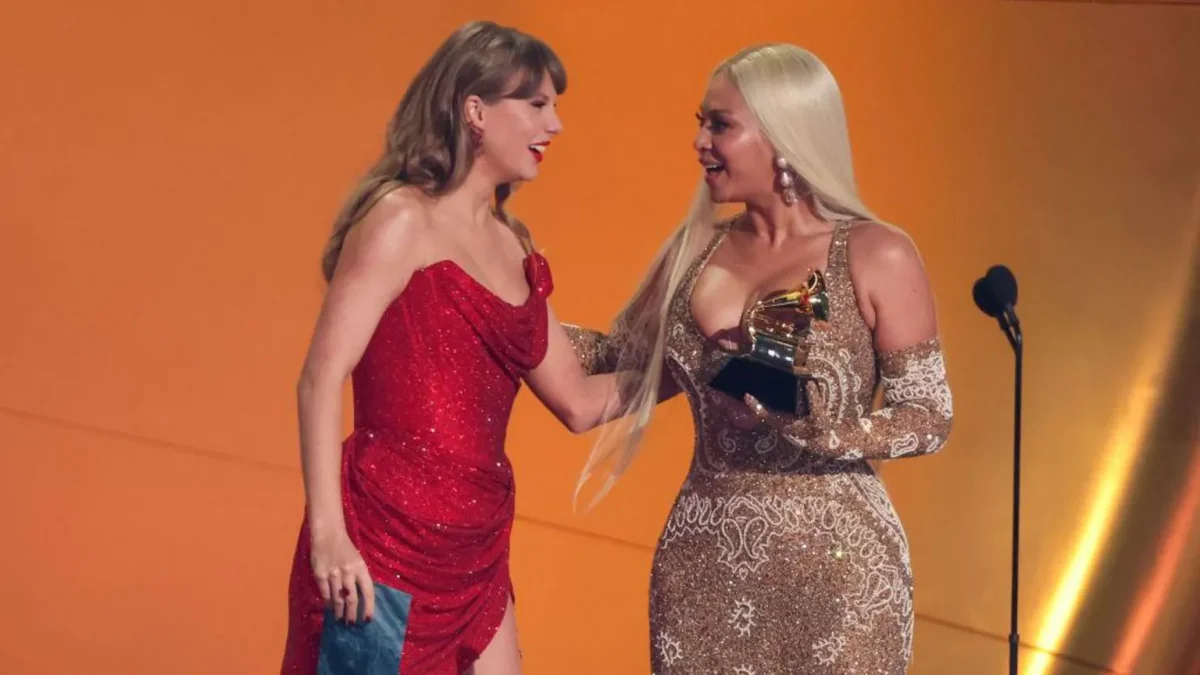
While many celebrated Beyoncé’s achievement, others felt that Billie Eilish’s Hit Me Hard and Soft deserved the Album of the Year achievement instead. Many people showed their surprise online after the show, sparking debates online comparing the two albums.
“I was just not expecting it,” said Tina Knowles, Beyoncé’s mother.
Some critics questioned whether Cowboy Carter is country enough. However, data and history say otherwise. In a Forbes report, John Dyck of Auburn University suggests that the idea of country music being an exclusive expression of white conventions has often excluded Black artists from the genre.
Some fans even pointed out that while Beyoncé finlly won AOTY, she had been repeatedly snubbed in the past when her cultural impact arguably warranted a win (2016’s Lemonade, 2006’s B’Day, 2022’s Renaissance). Some argued that while her previous albums warranted recognition, Cowboy Carter did not and only won because of arguments about her past snubs.
Moreover, it reignited racial tensions with people online claiming Beyoncé’s win was a performative move by the Academy to quell accusations of racial bias. The backlash echoed criticisms faced by Lil Nas X’s “Old Town Road” in 2019 when critics didn’t like the redefining of the country genre. This incident served as an example of the complexities and challenges within the ceremony and the broader music industry, reflecting ongoing debates about representation, recognition, and cultural impact.
The Recording Academy also celebrated emerging talent, recognizing several artists with their first Grammys.
For example, Doechii made history by becoming only the third woman to win Best Rap Album, introducing more variety into the genre of rap.
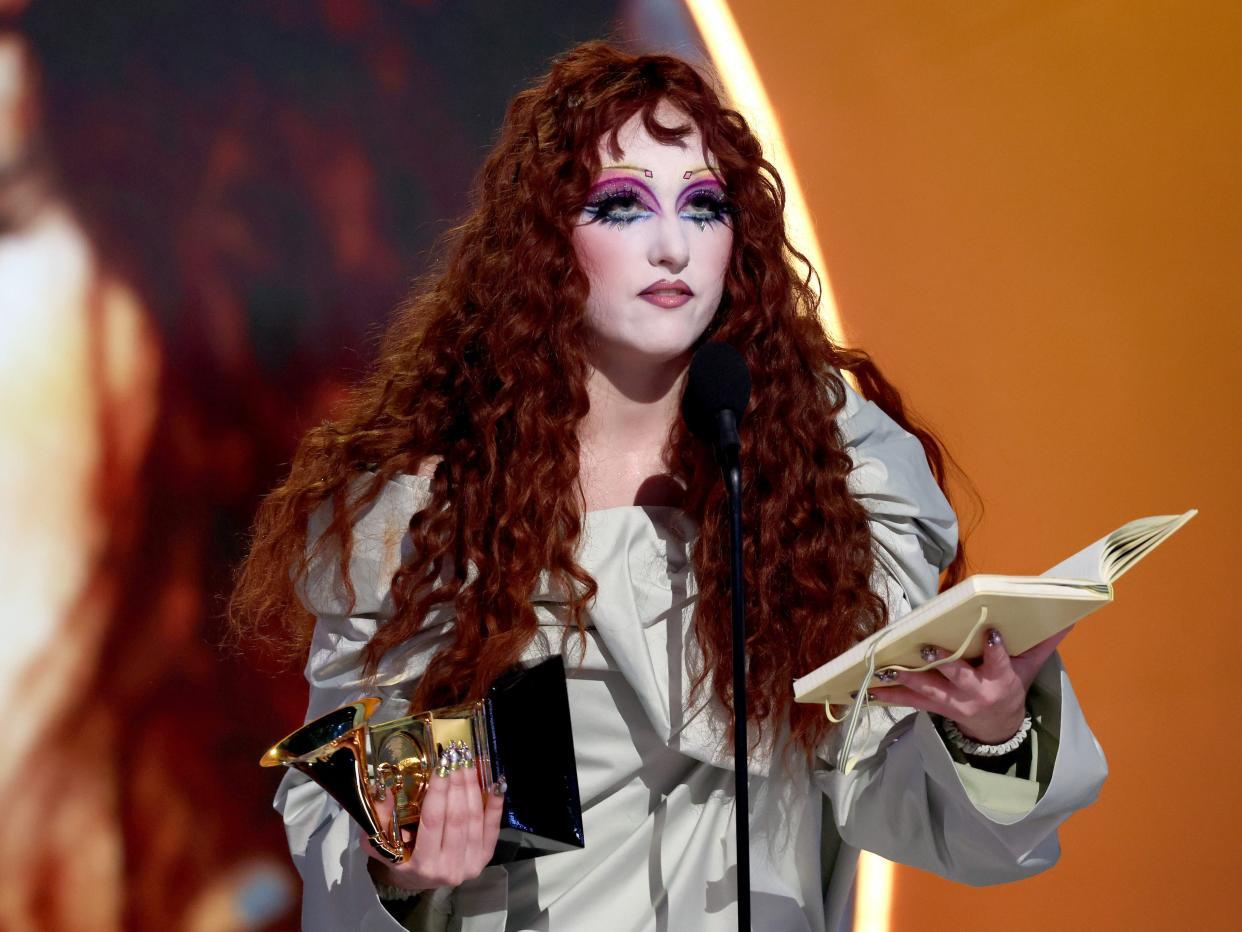
Chappell Roan, who had a breakout year, won the award for Best New Artist. When accepting her award, she used the opportunity to advocate protections for young artists such as livable wages and healthcare.
After first acknowledging the other artists nominated in her category, Roan continued, “I told myself if I ever won a Grammy I would demand that labels and the industry profiting millions of dollars off of artists would offer a livable wage and health care, especially to developing artists.” It spoke to her character, revealing time and time again that she is willing to stand up for herself and advocate for her previous personal experiences in an attempt to help new upcoming artists. Her speech received a standing ovation but also faced criticism from industry figures.

Music industry veteran Jeff Rabhan said Roan was “far too green and too uninformed to be the agent of change she aspires to be today.”In response, Roan challenged Rabhan to match her $25,000 donation to struggling artists and continued to advocate for systemic changes in the music industry.
The criticism highlights ongoing debates about the responsibilities of record labels toward artists’ well-being and financial security.
Kendrick Lamar’s single “Not Like Us” secured five nominations and won awards such as Record of the Year and Song of the Year. (Record of the Year honors the overall production and performance of a song, while Song of the Year specifically acknowledges songwriting and lyrical composition.) The song’s success was further highlighted during the Super Bowl Halftime Show, where Lamar performed “Not Like Us,” referencing his recent feud with Drake. Its critical acclaim and Billboard success only reinforces Kendrick Lamar’s continued influence in the music industry. However, this instance further reinforces how male-dominated the field of rap categories has remained.
Regardless of who took home the awards, the event sparked debates about the Recording Academy’s choices, representation of genres, and recognition of both emerging and solidified artists. The controversy surrounding this year’s winners wasn’t just about individual snubs; it reflected broader frustrations with how the Grammys define musical excellence, illustrating ongoing disparities in genre representation, racial dynamics, and the Academy’s historical blind spots.
The Recording Academy has been actively working to diversify its membership and voting processes including but not limited to inviting thousands of new members from underrepresented backgrounds.
While the Grammys will likely remain a source of both celebration and controversy, this year’s ceremony reaffirmed the deep frustrations many have with the Recording Academy. The Weeknd’s return may signal progress, but questions about transparency, racial bias, and the true value of artistic excellence persist. Whether the Grammys can truly evolve remains to be seen, but for now, Music’s Biggest Night is still Music’s Biggest Controversy.