by Quinn Lindley ’27
The opinions expressed here are strictly those of the writers and do not reflect the views of University School of Nashville or the Peabody Press.
Social Media Detox Day has been gaining traction in the community at USN. The reminders at Assembly and the emails throughout the month keep it in the front of our minds. However, there are plenty of negatives to the program: the temporary impact, the FOMO that it can cause, and its exclusivity.
While Social Media Detox Day has positive effects on students, its impact on the problem it ultimately seeks to address—the effect of social media on mental health—is ephemeral. Social Media Detox Day is failing to induce lasting changes in online behavior. While the detox provides a break from the digital noise, the allure of social media often draws individuals back into their previous routines once the detox period concludes. The games and free food aren’t enough to motivate students to reduce their social media use in the long term
On November 30, the Peabody Press sent out a survey to all students intended to gauge participation in Detox Day and its effects on student health. 78 student responses were received. According to the survey, 11.5% of respondents thought it was totally unhelpful to their mental health, 10.3% thought it was mostly unhelpful, and 44.9% didn’t really notice a difference or it was only a little helpful.
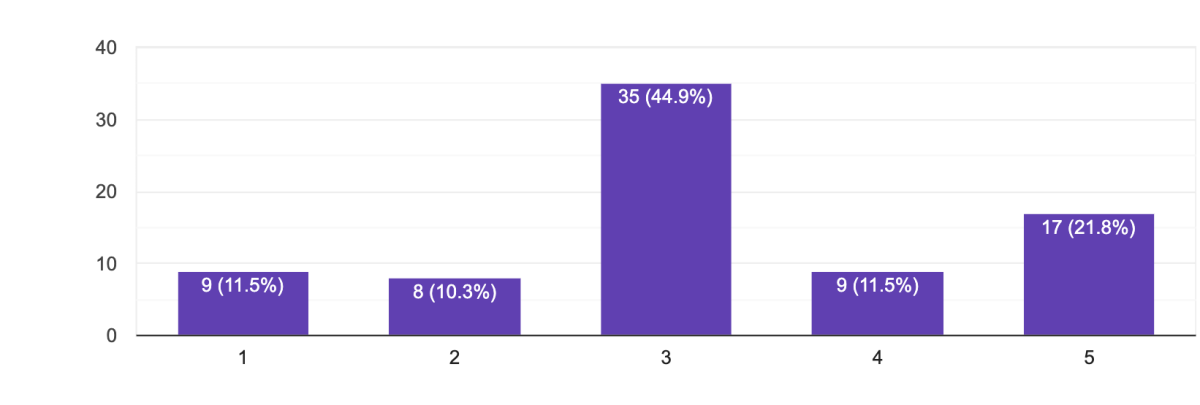
Students respond to the survey sent out by the Peabody Press. (1 = Not at all; 5 = Yes, absolutely!)
This data highlights that even though people may participate in the games or indulge in free food, the Detox Day fails to significantly influence the majority of its participants.
“The stickers is a cool concept that shouldn’t be stopped, but it didn’t help my mental health,” Said Marin Rorex ‘27 on the survey
Upon returning to social platforms, individuals might simply return to old habits, succumbing to the familiar urge to constantly check feeds, respond to notifications, and seek validation through likes and comments. This return to the digital sphere can cancel out the positive effects of the detox, reinstating feelings of anxiety or inadequacy associated with social media usage. In fact, the detox could make some of those things worse. The length of the detox period might not be sufficient to induce a significant shift in mindset or behavior towards healthier online habits. Breaking the cycle of habitual social media use often requires a more consistent effort, involving gradual changes in daily routines and conscious, long-term moderation in online engagement—not just a singular day once a month where students convene. The fleeting nature of the detox experience might lead individuals to perceive it as a temporary escape rather than a cause for meaningful change.
“One hour doesn’t do anything to stop people from reducing their time on social media,” a survey respondent said.
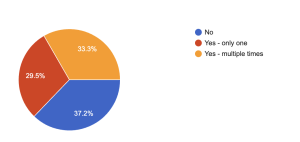
The impact of the detox on creating mindful digital habits could be limited. Only 33% of survey respondents said that they participated in both detox days. Overcoming the temporary impact of a Social Media Detox Day involves recognizing that sustainable change requires consistent effort beyond a singular break. It needs a conscious reevaluation of one’s relationship with social media and a commitment to integrating healthier digital practices into everyday life, even after the detox period concludes.
Maybe if the detox were a week instead of a single day it could have a more clear and lasting impact. However, most people probably wouldn’t be willing to drop social media for a whole week.
Additionally, detoxing from social media can cause a feeling of missing out on small updates concerning friends and loved ones: events such as concerts or group hangouts, and even significant life moments of those you don’t see every day. The fear of being out of the loop, of not participating in trending conversations, or not engaging in the latest viral challenges can induce a heightened state of anxiety, as opposed to the calmer feeling that Social Media Detox Day is trying to evoke.
“It’s not that I don’t enjoy [Detox Day] or don’t like it. It’s just that there’s some media that I need to keep up with,” said one senior boy.
“Not being able to check the important things on social media”
While aiming to disconnect, individuals might inadvertently distance themselves from online communities and miss out on important conversations within their social circles.
However, the fear isn’t only about missing positive events. It is the dread of being left out of news updates and opportunities that might arise and be discussed solely on the platforms we are detoxing from. There are so many things that happen on social media that affect people on a daily basis and the fear of not being a part of those experiences, even in a disconnected online way, can make Social Media Detox Day even more daunting.
When we asked Ayla Acra, a freshman girl who has family worldwide and connections with many different places internationally, why she hasn’t been participating in social media detox day she said:
“I don’t want to do Detox Day because some of my friends are in different countries and so is part of my family. “ said Ayla Acra ‘27. It is an important thing to consider when asking people to drop social media, there are so many situations where going through instagram and snapchat are the only ways to contact the people who you love and figure out what is going on in their lives.
The pressure to stay digitally connected is reinforced by the culture created by social media. Notifications, alerts, and real-time updates create an addictive cycle, making it challenging to break away without a persistent worry about missing something important. The frequency that our phones ding at us proves the fact that it is impossible to truly detox from social media because we can’t resist the pressure of being told what to look at and replying to what others have said in response to us.
FOMO can amplify during a detox day, causing people to feel isolated or left behind. Overcoming this fear requires an effort to shift focus from external validation, through social media, to finding internal validation through personal experiences and meaningful offline interactions.
Additionally, 44% of people who would participate in Social Media Detox Day don’t have social media. Some people don’t use it much during the school day and don’t see the point. One person wanted to be a part of it but was told that they weren’t allowed to because they didn’t use social media.
While many people enjoy social media detox day, there are very clearly some things wrong with their methods and the way that they handle the detox. There are flaws with the exclusivity, the lack of lasting impact, and the FOMO.