Madisyn Starks ’22
February 2021
The views expressed here are strictly those of the writers and do not reflect the views of University School of Nashville or the Peabody Press.
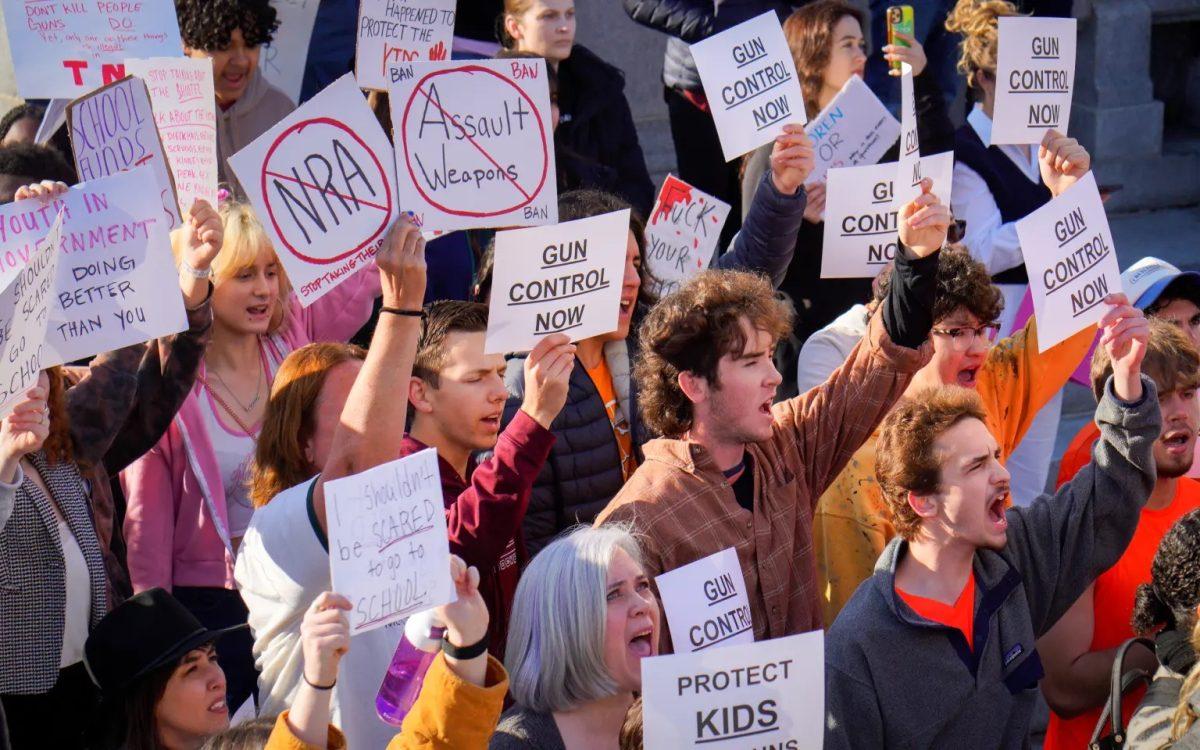
In the age of social media, community guidelines unfairly restrict the voices of its users. As these social media platforms get bigger and bigger each day, more users begin to voice their opinions and communicate with one another daily. Each year these platforms are utilized by activists seeking to spread awareness to specific causes: the Black Lives Matter movement and the push for LGBTQ rights both rose to prominence on social media in 2020, for example. The social media companies, such as Facebook, Instagram, Twitter, and Tiktok, view their platforms in commercial terms, as they advertise products to their users. All of this creates tension between social activists on social media and the commercial interests of its other users’ commercial interests.
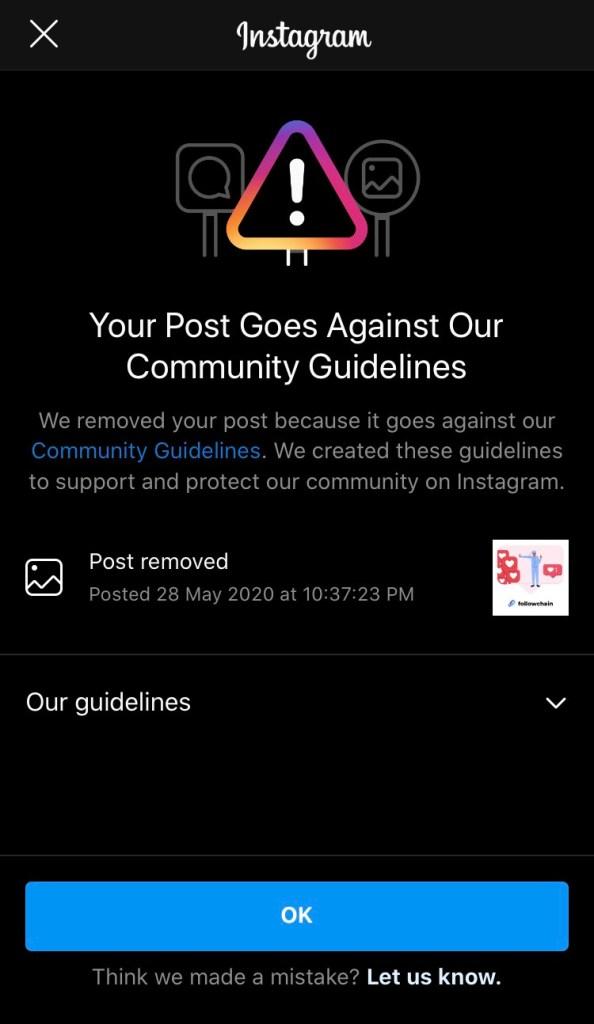
To Millennials and Gen-Z, social media and their platforms have become places where they can utilize freedom of expression to speak out on events happening within the country. As these users post or comment, the platforms often restrict the posts, saying, “this post/comment goes against community guidelines.” For instance, on TikTok, users have their content blocked without knowing or understanding how their post was against the policies.
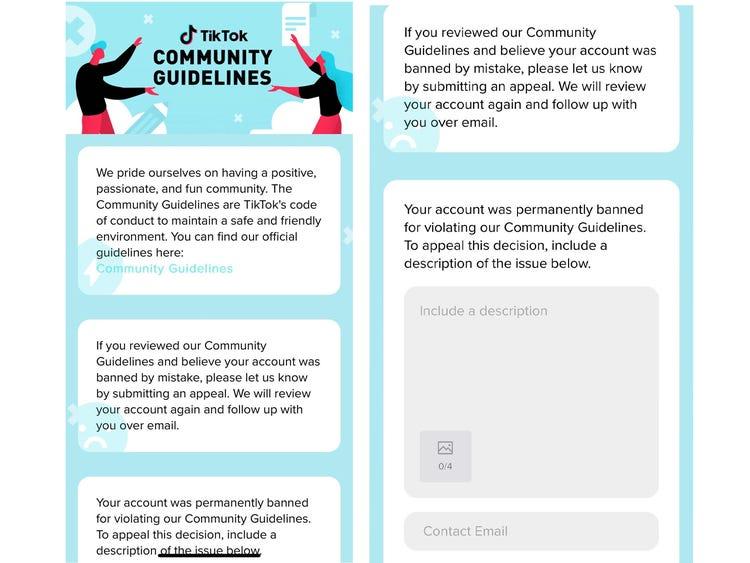
Most of the time, people are restricted or shadowbanned, meaning their follower reach goes down on all social media platforms due to hate speech and antisocial behaviors. The question then becomes what is considered “hate speech” or “antisocial behavior” on these platforms and how users can prohibit this from happening in the future. The users of these apps then begin to argue that their freedom of speech in the media is being stripped.
The only time censorship should be implemented when defamation or the detriment of others occurs. Everyone is entitled to having their own idea, especially when it regards their own social media platform. Blocking their voices and not allowing them to express their opinions is a form of authoritarianism.
If anything should be regulating posts of social media sites should be the parents when the user is a child, while adults should post as they wish and not be censored like they are. This new culture of censorship attacks the freedom of speech and restricts the opinions of the users. For these platforms to continue to thrive, fewer censors should be made.