The opinions expressed here are strictly those of the writer and do not reflect the views of University School of Nashville or the Peabody Press.
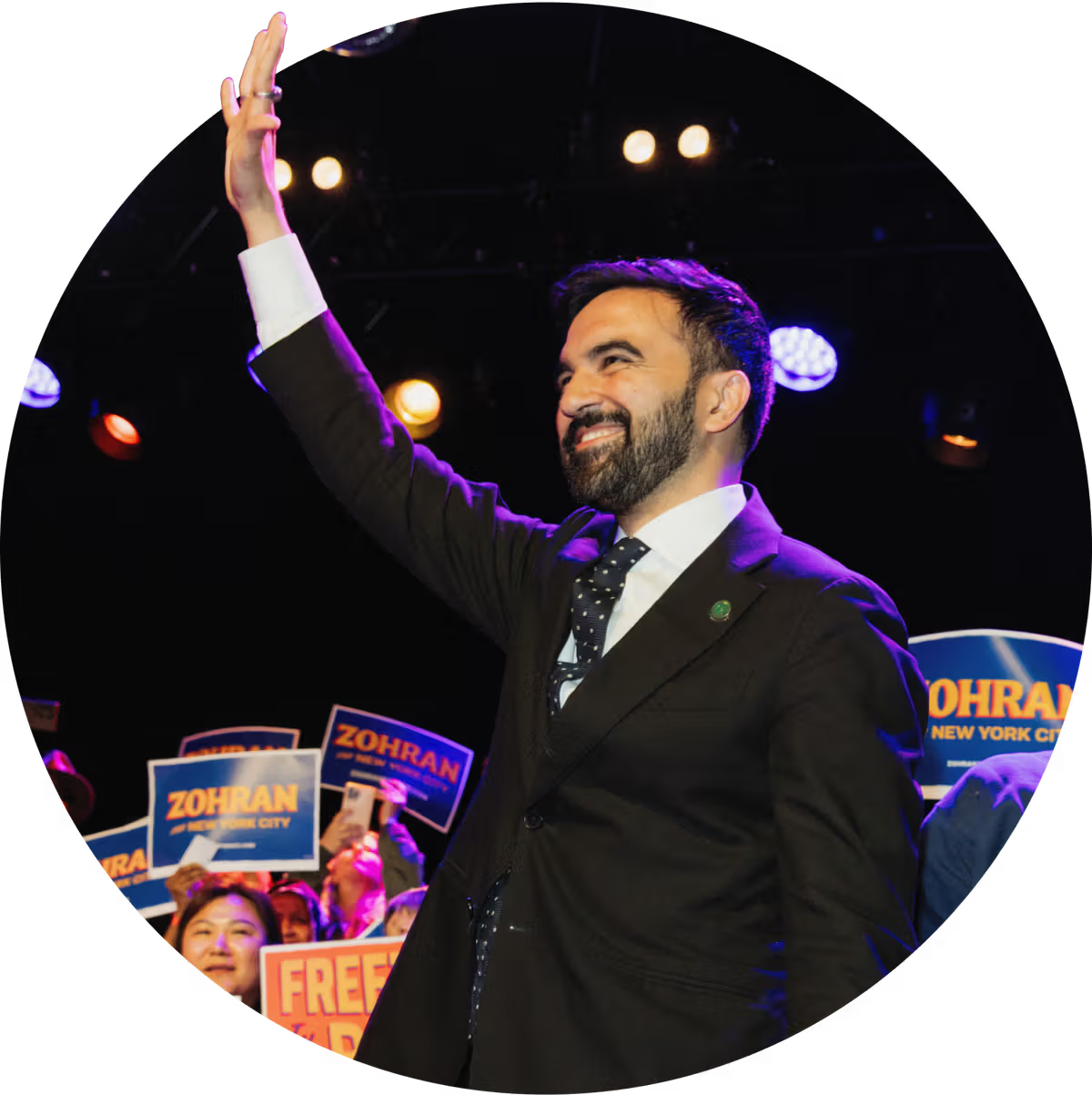
Zohran Mamdami was elected mayor of New York City on November fourth, 2025, defeating Andrew Cuomo and Curtis Sliwa. His win is influential to the political landscape of our nation bringing new leadership to one of America’s major cities. Zohran Mamdani won the election with over 50% of the vote and beat his opponent Andrew Cuomo with a margin of 9.5%. So, how did a previously unknown politician create one of the largest mayoral campaigns of all time?
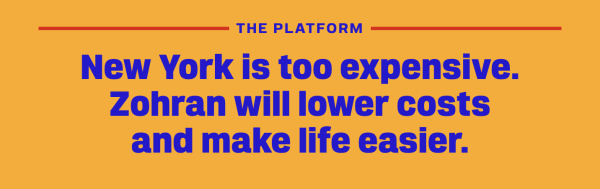
If you take a look at the top of the platform page on Mamdani’s campaign website, the first words shown are, “New York is too expensive, Zohran will lower costs and make life easier.” In one of the least affordable cities in America, Mamdani successfully captured a collective frustration around the issue of New York City’s exorbitantly high cost of living.
Some of Mamdani’s proposed policies to combat New York City’s affordability crisis include creating price-controlled city-run grocery stores in each of the five boroughs of New York City and building over 200,000 affordable housing units. These are both unprecedented ideas that, if Mamdani can pull off, will cement his legacy in politics. But the question is whether they are feasible. New York may have substantial tax revenue, but without federal funding, these policies may have a price tag that is too high.
Mamdani resonated with lower and middle-class New Yorkers, proposing a way for the government to prioritize the working class over corporations and the top one percent.
His plan for New York City involves increasing taxes on the upper class and using that revenue to implement policies that help the lower class, such as universal childcare and free buses for all New Yorkers. For these everyday issues of cost of living, childcare, and traffic congestion, Zohran Mamdani presented solutions and made many New Yorkers feel heard.
Mamdani also potently used social media to strengthen his mayoral campaign. Throughout his campaign, Mamdani became a national figure on mainstream social media, with his Instagram account having over 11 million followers compared to the runner up in his election, Andrew Cuomo, having 220 thousand. His use of social media helped bridge the disconnect between politicians and younger generations, supposedly increasing turnout amongst younger voters. His campaign was not just able to win an election, but establish a national movement.
This national movement, created by Mamdani and his campaign, has established a new template that the Democratic Party may look to moving forward. Mamdani’s Jacksonian style of populism and creating new opportunities for voting individuals has brought success. This style could serve as a monumental precedent for American Democracy, reaping the benefits of the current social media landscape. With social media being a major news source, it provides a valuable resource in attention and holds the power to change political opinions.
Mamdani’s campaign’s national movement has ushered in a new era of politics, serving as a monumental step in the current state of American Politics. He has been able to inspire and instill hope in a way that resembles President Barack Obama’s 2008 campaign. Mamdani has been able to attract the younger generation with his policies. The question now is whether they will work at such a large scale.
Luckily, Mamdani has a plan to raise tax revenue from the wealthiest one percent of New Yorkers and increase New York City’s corporate tax. Mamdani’s critics say wealthy individuals and corporations may leave New York City for more affordable places, taking their tax revenue along with them. This could lead to his plan backfiring, leaving New Yorkers in disarray and the city with a major budget crisis.
Though in the month since Mamdani was elected, that has not happened. According to Quentin Parrinello, a policy director at the EU Tax Observatory, “The complexities of moving away from these opportunities ultimately appear bigger than what you will pay in tax.” New York, ultimately, is too large of a consumer hub and cultural hotspot for a mass exodus of millionaires and high earners to occur.
The feasibility of his policies aside, because he is coming up with creative solutions to everyday New Yorkers’ problems, Zohran Mamdani has a chance to be a pioneer of modern-day Democratic-Socialist policy. His policies offer, in an ever-depressing state of political media and politics, a nice glimmer of hope for all Americans.