by Yvonne Wang ’27
December 17, 2024
The opinions expressed here are strictly those of the writer and do not reflect the views of University School of Nashville or the Peabody Press.
As exams come to an end, they bring the promise of relaxation. However, transitioning from the structured demands and stress of study routines to unstructured time isn’t always seamless. The physical and mental toll of exams may leave students feeling out of sync. During past breaks, I have experienced feeling weird the days following exam week as well. That makes it important to focus on purposefully de-stressing. Re-establishing balance across all areas of life disrupted during exam preparation is key to recovery.
One of the most common disruptions during exam week is sleep. Natural sleep schedules are often thrown out due to late night studying. This problem can leave students sleep-deprived or stuck in unhealthy patterns. It is vital to create a consistent routine by setting regular bedtimes and wake-up times to reset. A consistent schedule will help maintain the body’s internal clock, improving both sleep quality and overall health.
To further better sleep, creating a pre-sleep routine can signal to the body and mind that it is time to wind down. To create a sense of relaxation before bed, doing activities like reading, meditating, or listening to calming music can help. Something I have noticed that helps me is avoiding caffeine and heavy meals in the evening to reduce the likelihood of restlessness. In an article on the effect of screen time on sleep, the Teche Action Clinic, a clinic with a mission to provide high-quality services to patients all throughout the region, recommends limiting screen time to prevent the blue light from interfering with melatonin production. These simple habits can make a difference in winding down at night.
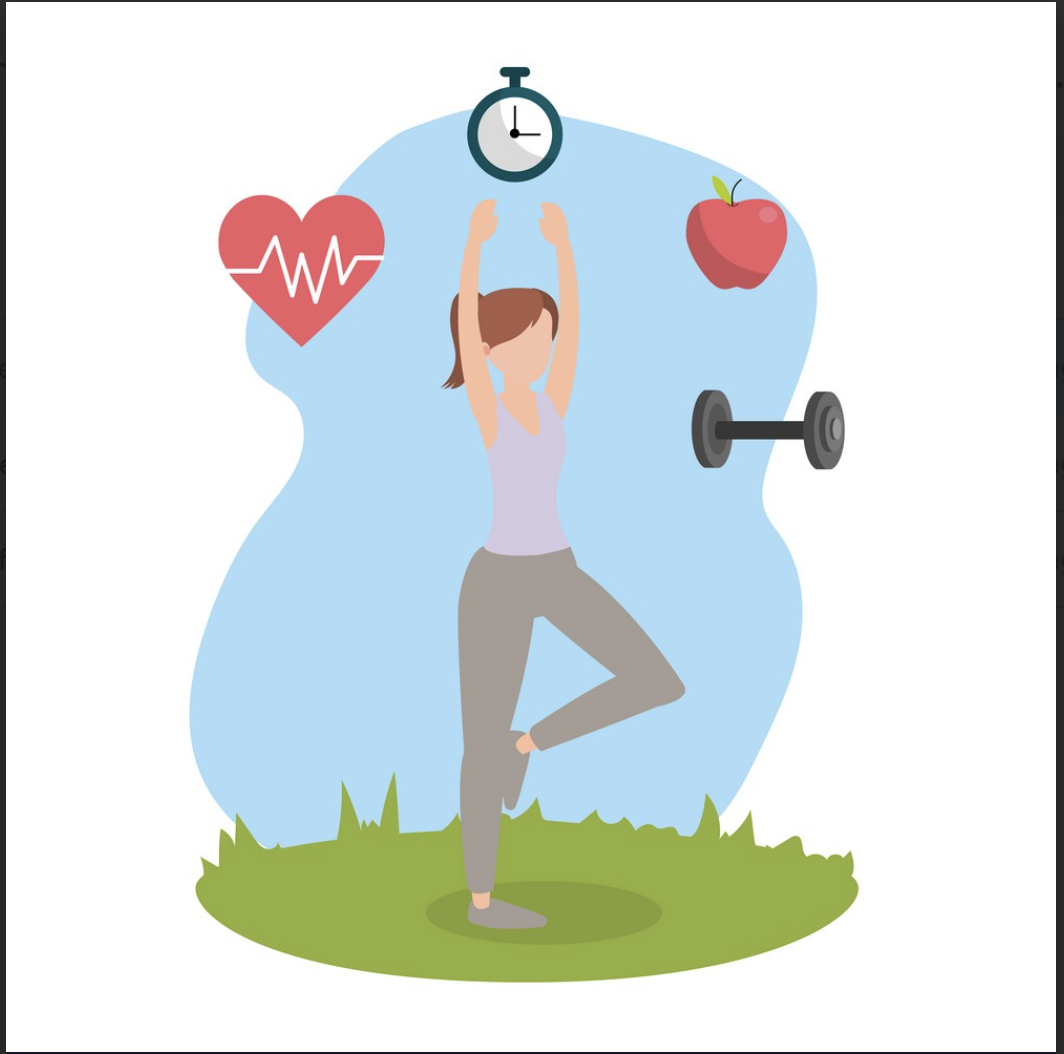
Physical health is often delayed during exam preparation, with exercise routines put on pause and nutritious meals replaced by more efficient options such as fast food. While it may be obvious to just dive straight back into intense workouts after exams, it is more effective to ease into physical activity with gentle movements. In an informational article by St. Luke’s Health, a nonprofit with a mission of enhancing community health through high-quality, cost-effective care, doctors recommend starting slow with low-intensity workouts, such as yoga. Stretching and yoga can help reintroduce exercise without overwhelming the body.
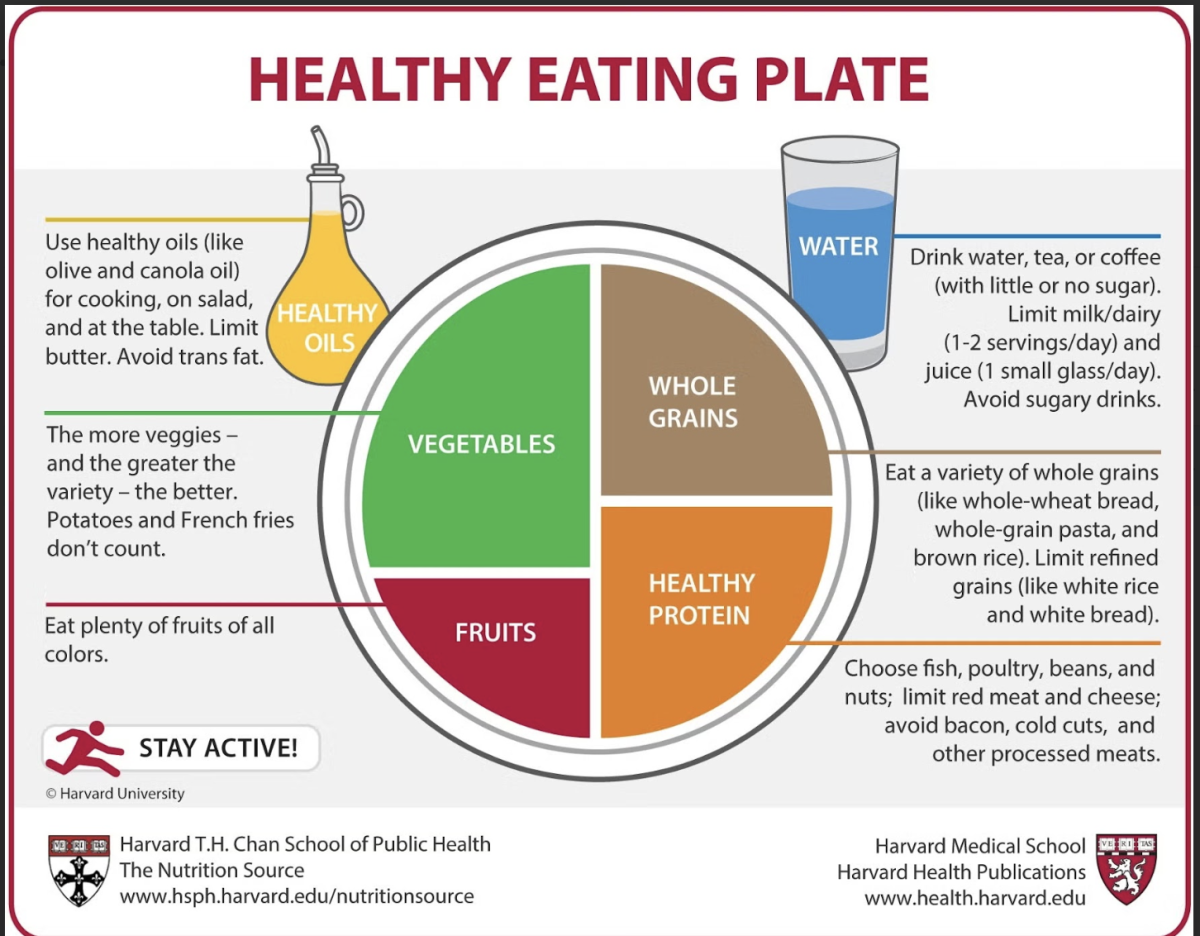
In terms of nutrition, exam stress may lead to skipped meals or a lack of balance in daily eating. John Hopkins Medicine suggests lean proteins, and whole grains, as they provide the energy and nutrients your body needs to recover. A meal that I especially love are Chipotle bowls. They taste amazing and present a balanced variety of ingredients.
During this period of intense focus, social connections can suffer. An important part of de-stressing and regaining balance is rebuilding those connections. Time with friends and family may have been put on pause for studying. Reaching out to loved ones for brief conversations or small activities, like sharing a meal or watching a movie together is a good way of restoring balance.
This also means engaging in conversations beyond the topics of school and exams. Talking about hobbies and shared interests can provide a mental break. Strengthening these relationships can reduce stress. Moreover, hobbies and personal interests are often neglected during exam preparation. Reintroducing these activities can help restore a sense of balance. For me, I usually have to forfeit a lot of practice time for piano during exam season. I have found that slowly getting back into practicing piano helps me enjoy myself and immerse myself into something else.
Smaller time periods can be effective in easing back into hobbies. There is no need to completely dive into it right away and commit hours at a time. Hobbies are a way to express creativity and reduce stress that may have been put on pause by the demands of exams. The goal is to allow reconnection with these pastimes.
Beyond addressing areas of disruption, balance means taking a complete approach to restoring daily routines. Breaks are an opportunity to reflect on what was sacrificed during exam preparation and to make purposeful efforts to bring those aspects back into the daily routine.
This recovery period is also a good time to create a structure. A loose framework can be beneficial. While it is important to embrace unstructured time for relaxation, a loose framework can provide a sense of purpose without adding pressure.
De-stressing after exams isn’t just about unwinding. Prioritizing rest, reintroducing joyful activities, and creating balance can help students make the most of their break. This intentional approach can make sure they return to their routines refreshed, re-energized, and ready to tackle the challenges ahead. It has truly helped me with winding down post-exams, so I hope it will present some ideas for others to do.