The opinions expressed here are strictly those of the writer and do not reflect the views of University School of Nashville or the Peabody Press.
USN is in a state of flux, as the community prepares to transition from interim director and long-time USN staple Juliet Douglas to a new head of school, Rob Hereford.
After Vince Durnan’s 22-year tenure as director ended in 2022, the last four years have been, at times, tumultuous, only calming down when Douglas’ steady hand returned to help guide the school. As USN prepares to enter yet another new era under a new director, one question keeps coming to mind: how can we ensure the “USN identity” endures?
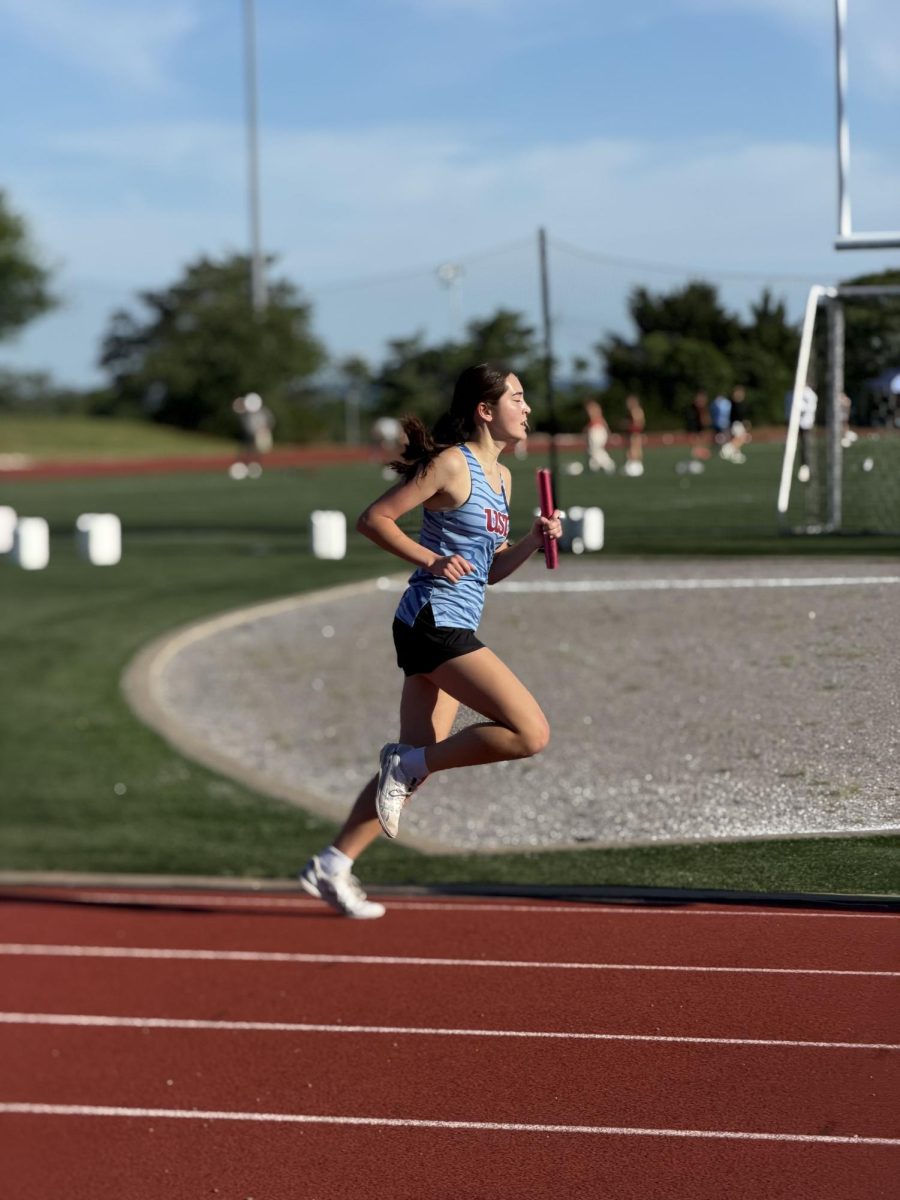
Two projects this year have kept this question in my mind: the back field renovation and the new playground. Much light has been made of the new playground and back field project, and I do not plan to add to it. However, I think these two projects finally mark the physical manifestation of years of change away from the “loosey-goosey” era of years prior.
The back field project was the brainchild of several lower school families, who approached the USN’s board toward the beginning of the 2025-26 school year. They wanted to ensure that improvements to the back lawn became a priority and, by springtime, had laid the groundwork for a redesigned field centered on installing new turf.
New generations of USN students will not grow up on the all-grass back field and 35-year-old playground that characterized my lower school experience. The old back field and playground’s endearing “frumpiness” clashes with the chicness of these new projects. New students won’t feel the prick of a splinter from the play structure or the burn of a skinned knee from the dusty playground rocks, which, I admit, is probably for the best.
When I reminisce on what has made my 13 years at USN so special, it’s easy to fixate on those little things – the recess soccer games spent sliding around in the mud or the days spent creating potions under the tire swing. Those moments, however, while memorable, aren’t the ones that shaped my time here. Rather, I think this school’s grasp on me started before I even arrived.
When former Nashville mayor, Tennessee governor, USN parent (‘98), and USN grandparent (‘29, ‘33) Phil Bredesen decided to send his son, Ben Bredesen ‘98, to USN, he was looking for a place where his son could grow up in an environment where he could encounter differences.
“USN seems to me to be as close to a public school as you could get in terms of its student body,” Bredesen said in relation to what drew him into USN, “I’d emphasize that to me the thing I really like about it is that it’s more than just a school for the swells in Nashville to send their kids to so they can get a job at the local bank…I’ve always respected the approach USN has taken to being like a public school without some of the difficulties.”
I asked my parents the same question a few years ago: why did you want me to end up at USN? Their response was remarkably similar. They wanted their kid to grow up in a less siloed environment. If you asked a number of other USN families what brought them to the school, I’m sure you’d hear a fair number of them share that same reason.
That perception that USN is the place to go if you want to open your child’s eyes to a more open and representative community is real. It’s a cornerstone of school’s identity, and probably the first thing that had an impact on me. Since walking into the building on my first day, now 13 years ago, I’ve felt and experienced a unique energy, centered on the creation of a more diverse environment.
When I look at our peer schools in Nashville, I don’t see that same emphasis.
I think that’s the crux of what has made USN the place it is today – it’s not the playground, the field, or anything else that rubs my feelings of nostalgia the wrong way. The defining characteristic of our community, in my view, is its formation in inclusivity.
Preserving that community is how we ensure that the much beloved identity of this school stays intact.
Governor Bredesen has hope for a future where the USN community can continue to reflect the best of Nashville
“I would love to see some day that the school is in a position where it was available to students who really wanted that kind of education, had the ability to do it across the community, irrespective of their economic situation…recognize that the potential student body is anybody in Nashville,” Bredesen said.
It is not just the student body that cultivates USN’s environment; it is also our outstanding faculty.
“It’s all about the teachers,” Bredesen added.
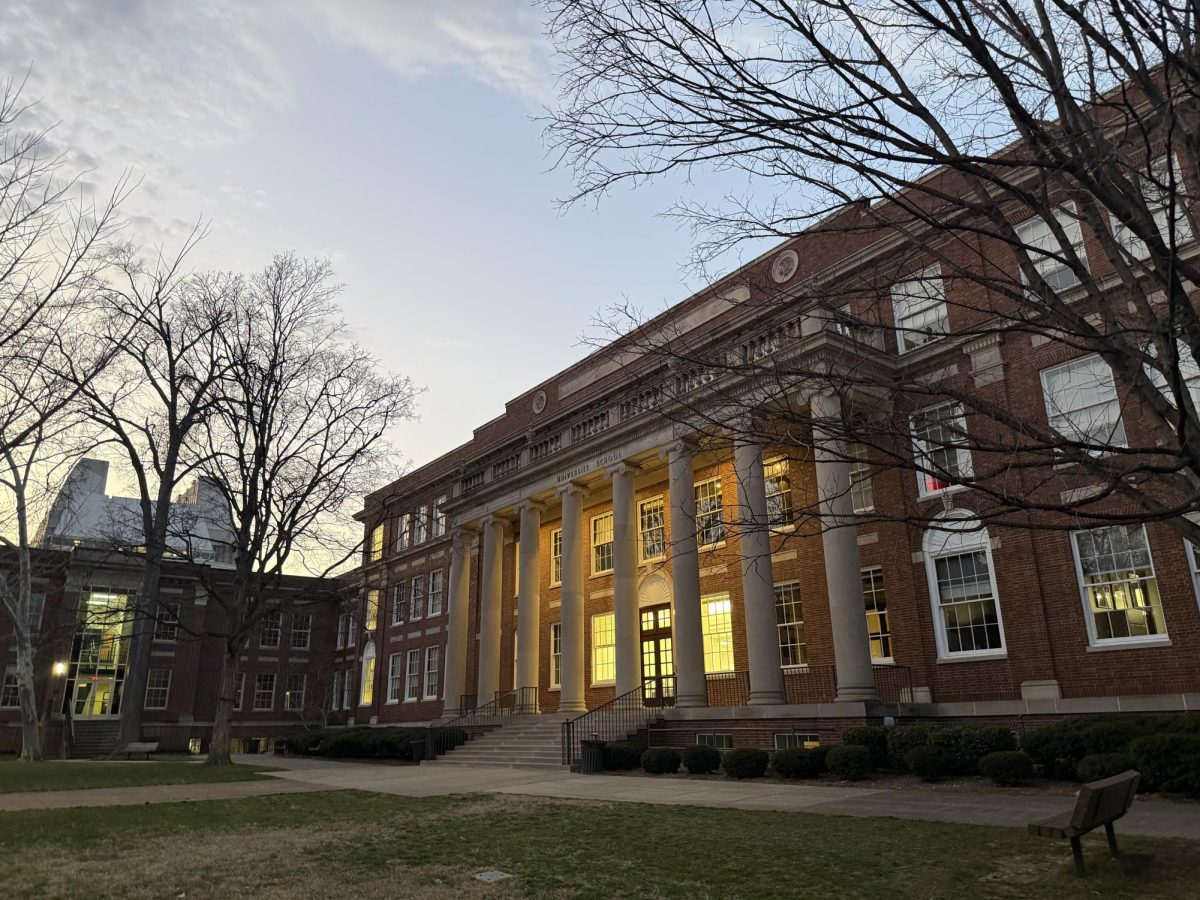
As we roll towards this new era in USN’s 111-year history, it is imperative that we not forget our roots. As Peabody Demonstration School, this institution was focused on modeling best educational practices and creating a new generation of forward thinking teachers. Even now, that original purpose is still evident in our classrooms. The faculty cares, and it is apparent. Over the years, they’ve taught me to love much of what I’ve learned, and that’s a rare opportunity.
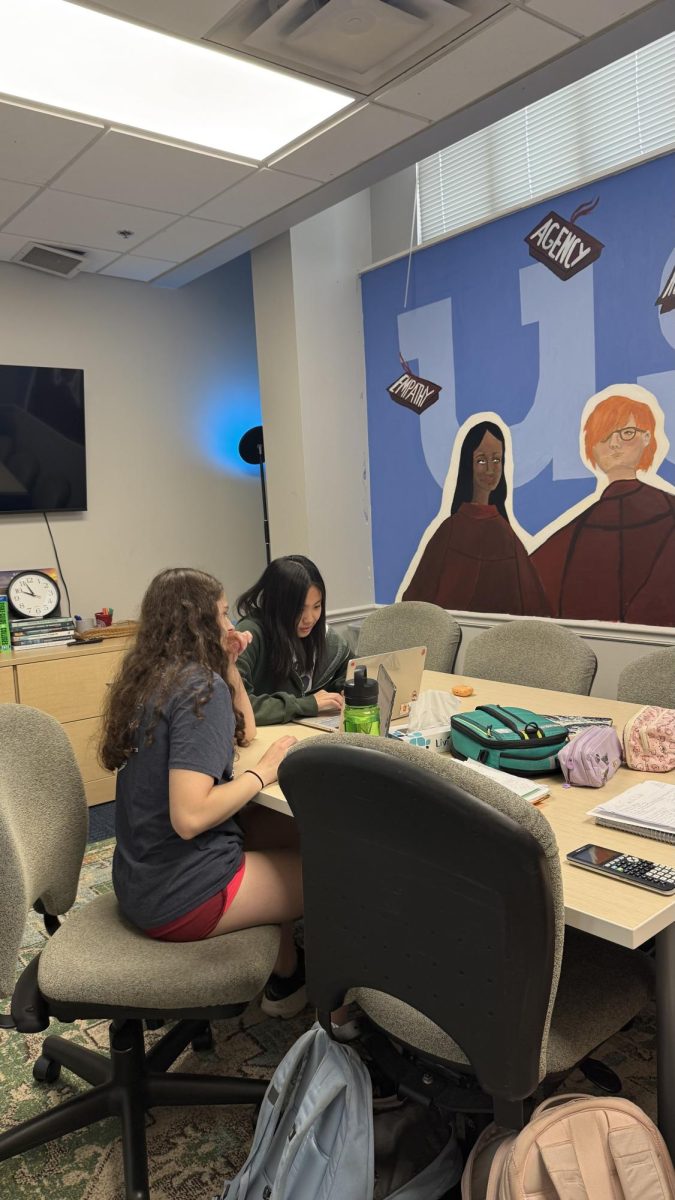
If we want the USN identity, the one has shaped me and many others for the better, to endure, we have to lean on our faculty and our community and listen. No new master plan can define what makes USN what it is: that’s a job for our student body and our faculty. As time wears on and central figures in our community come and go, I sincerely hope we don’t forget that essential understanding.