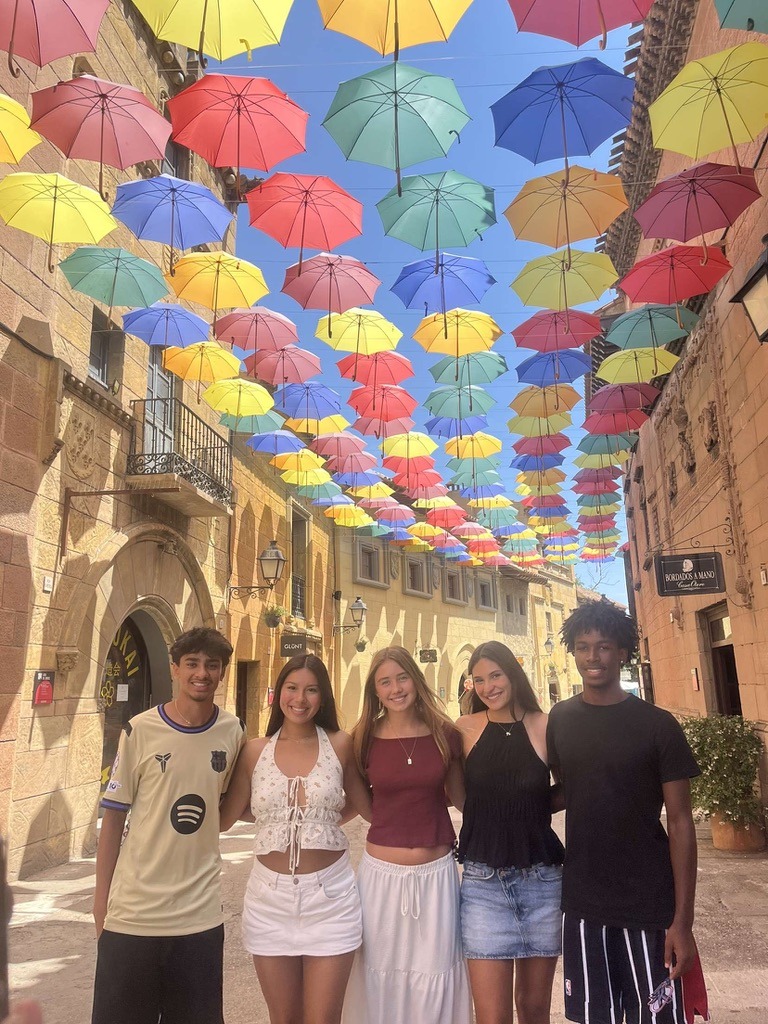
We spent the entirety of July 2025 before our senior year in Barcelona, Spain, on a study abroad trip sponsored by the Council on International Educational Exchange (CIEE). We stayed with a host family within the La Sagrera neighborhood of Barcelona, about six metro stops away from the city’s center.
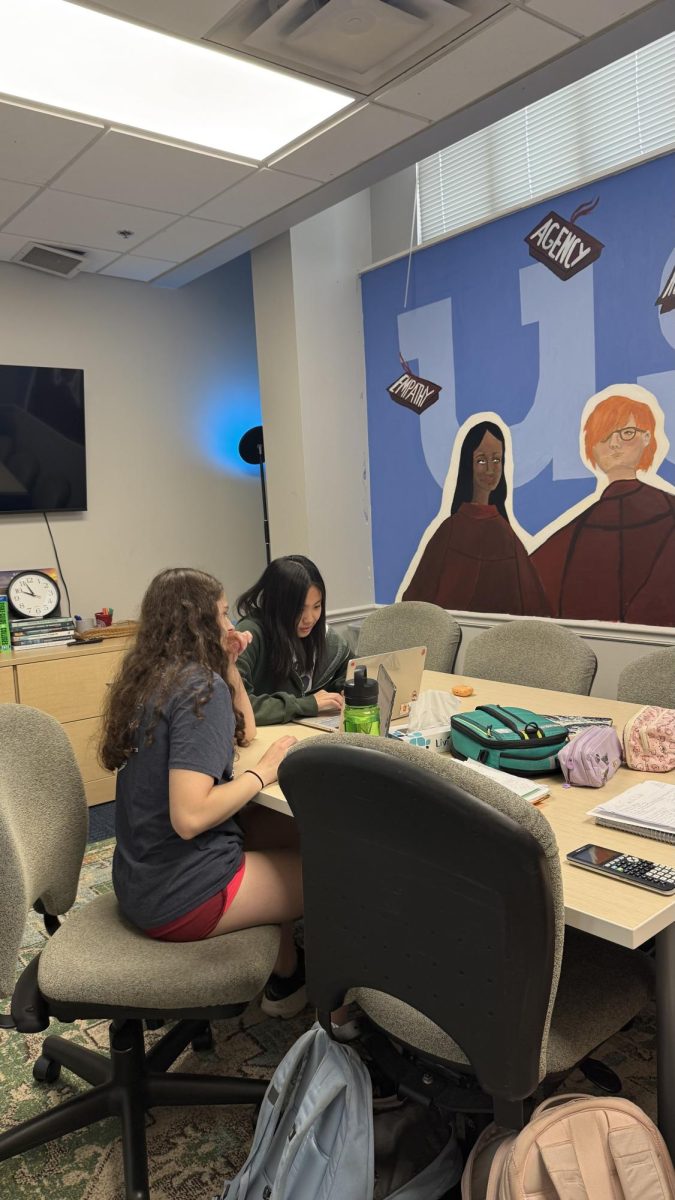
On Monday through Friday, we had class at 8:30 am, and on Monday through Thursday, we would have an excursion in the morning followed by class later. These excursions varied from dancing Flamenco to making tapas (traditional Spanish shareplates) to visiting historic landmarks like the Boqueria market. After returning, we’d participate in Spanish language and culture classes. During class, we would have lessons on traditional celebrations and food, as well as debate our peers on which soccer team was the best or which food we had tried was our favorite.
We remained in the same group of about ten people through both classes and excursions. However, the excursion groups were a little bit larger and consisted of a lot more of the smaller class groups together. On Fridays, we would have a half-day and just have class in the morning. This class in the morning was reserved for presenting projects that we spent most of the week working on (although most of us left them until Thursday night or even Friday morning). After everyone in our group had presented, we left for the beach. On Fridays, everyone would go to the beach and hang out. There would always be people swimming, tanning, playing soccer, and volleyball.
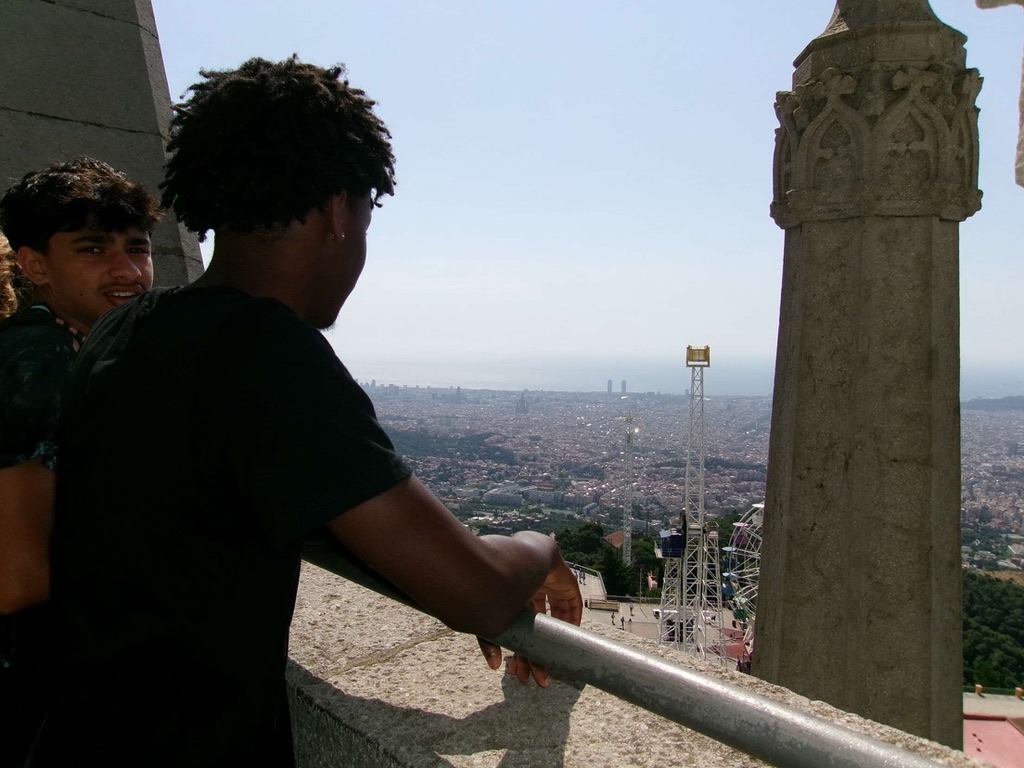
Friday was also the day when we would all spend the afternoon getting to know one another and creating closer connections. On the weekends, we were mostly free, but two out of the four Saturdays we went on excursions to farther places. One of those excursions was called Tibidabo, which is a famous amusement park within the Greater Barcelona area. The other weekend excursion we took was to the port city of Tarragona.
Throughout the month, we learned a lot of Spanish and got to try a lot of great food. Unfortunately, our host parent cooked only four different dishes. Although they were tasty, we grew tired of them quickly. Towards the end of the trip, we ended up eating out more with friends, which was a positive sign that we had made deeper connections with the friends we made on the trip.
The personal spending cost of the abroad experience is, without a doubt, something to be mindful of. Between dining outside of our homestay, shopping, and trips to various museums, costs started to rack up. If you plan to study abroad, I would definitely recommend making a budget plan. Food was easily the sneakiest money thief. The switch to a walking-heavy lifestyle was not expected, and it wore out my stomach quicker than I expected. I’d find myself at least twice a day going to get cold drinks or ice cream from a corner store, not to mention actual eating. The fast food options were much more luxurious and seemingly healthier; we frequented Popeyes and especially McDonald’s. As mentioned above, group meals were also common during our stay. It was common hit up a restaurant with a group of friends on any given day, which only added to the tab.
Living in a different country also comes with a different clothing palette, and clothes shopping was an easy, quick activity. When surrounded by a new culture, all of the styles quickly become appealing. Within the first two days, Pera found a new pair of shoes, but we only found more and more outlets the more time we spent. The final cost would be experiences like the Barça museum or any of the various tours or activities in store in the city. In the month we spent abroad, there were multiple activities we couldn’t fit into our schedule.There were some outlier days where I spent nothing, and I think my highest purchase day was around $160 USD, but between these three expenditures, I was averaging about $40 USD spent a day. This is not what I expected at all, but being a city with public transport made it even more cost-effective. All in all, I would definitely recommend a budget for a trip abroad.
Being in Barcelona, we were surrounded by amazing weather, food, and culture. As we walked through the Gothic quarter, we were met with beautiful architecture, not to mention being able to see the Barcelona Cathedral’s main tower from within the narrow streets. Barcelona also has one of the easiest public transportation systems to navigate. Luckily, we knew the language, but even if we didn’t, it would’ve been easy to navigate the city. The fleet of buses, along with an underground metro, was plenty when combined with the unlimited-use travel card that was given to us by our program. The Metro station was so easy to navigate, and there was a station right outside our flat.
The weather was incredible. It was a bit hot, but the heat was definitely more manageable than here. An important thing to note is that Barcelona has been in a constant drought for years, meaning that it rarely rains. In fact, it rained only one time in 34 days.
Visitors to Barcelona would be wise to learn how to speak either Spanish or Catalan. Catalan is a more regional language; however, everyone in Barcelona speaks both Catalan and Spanish. All of the signs are in Catalan, and the loudspeakers within the metro also only speak in Catalan. When in any major European city, Google Maps was our friend, and it helped us get home so many times during the first week or so.
Learning how to live alone was one of the most underrated parts of the study abroad experience. It was different for us just because we came on the trip together, but even so, you get to learn a lot about yourself and how you function in new environments. We were essentially handed a MetroCard and given free rein, and were able to make it work. We learned how to navigate new things away from parents or peers, and learned how to adapt to a new style of living.
Of course, the European transportation system itself made this different from spending a month in a different state. Most European countries rely on public transport like trains, subways, and buses, and lots of walking, so there’s no way to stay alone.
While you won’t have to necessarily speak to anyone directly, being surrounded by people all day could be something new that you learn to get used to. It does function similarly to the concept of being away for college; studying abroad was the first time we were far away from home with no real parental supervision. This led to us both developing lots of independence and self-reliance when it came to making decisions.
We learned the art of adaptability, or orienting yourself in new situations.Being faced with a new crowd, a new community, and a new culture almost forces you to adapt to the surrounding environment.