The opinions expressed here are strictly those of the writer and do not reflect the views of University School of Nashville or the Peabody Press.
An integral part of being a school that can support every student or staff member is being accessible to everyone. That means elevators, accessible doors, bathrooms, classrooms, and seats across the school.
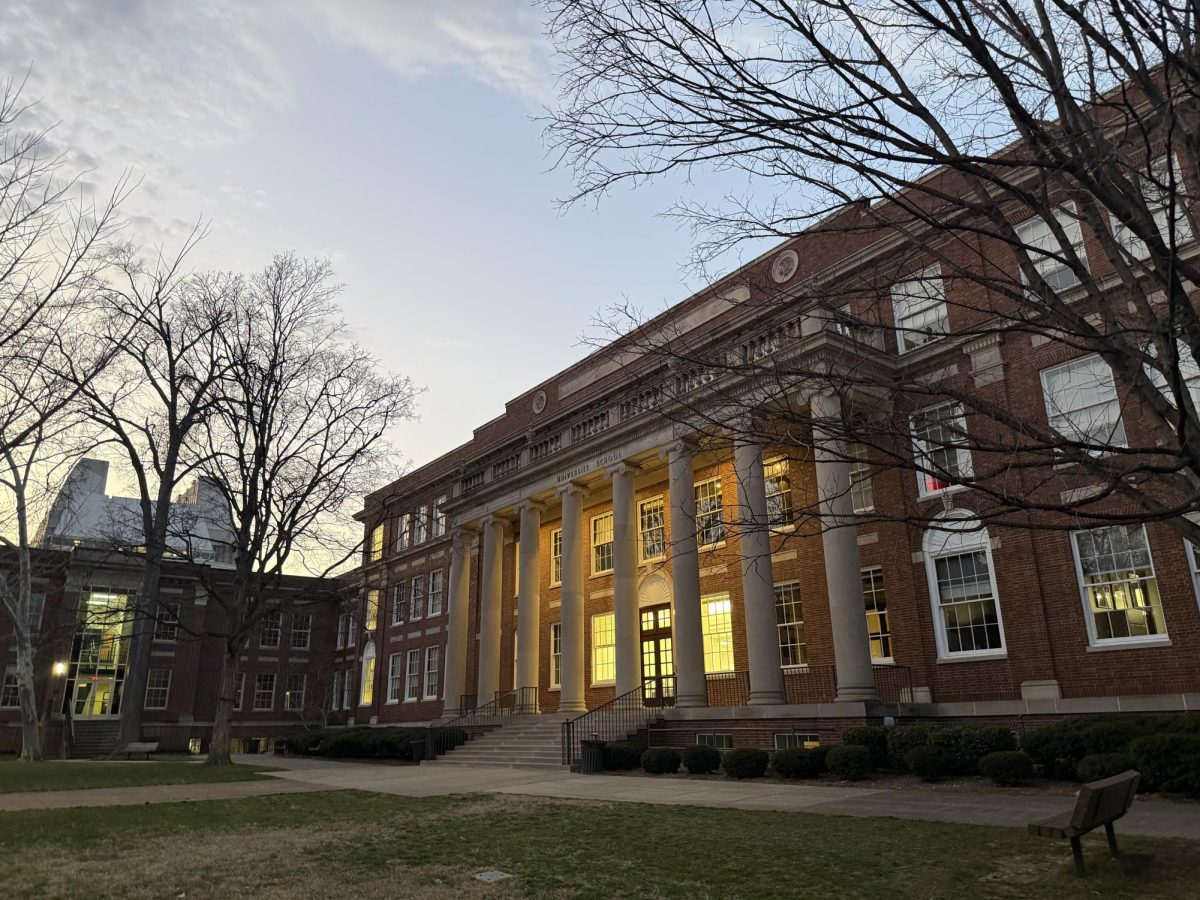
USN is a big building – 230,000 square ft, according to NBOA.org. As such a big school it should be able to accommodate anyone who would be here.
However, it’s also an old building, built in 1925, meaning that in order to have any construction, the school both has to preserve historical attributes and update to the current ADA codes with any new construction.
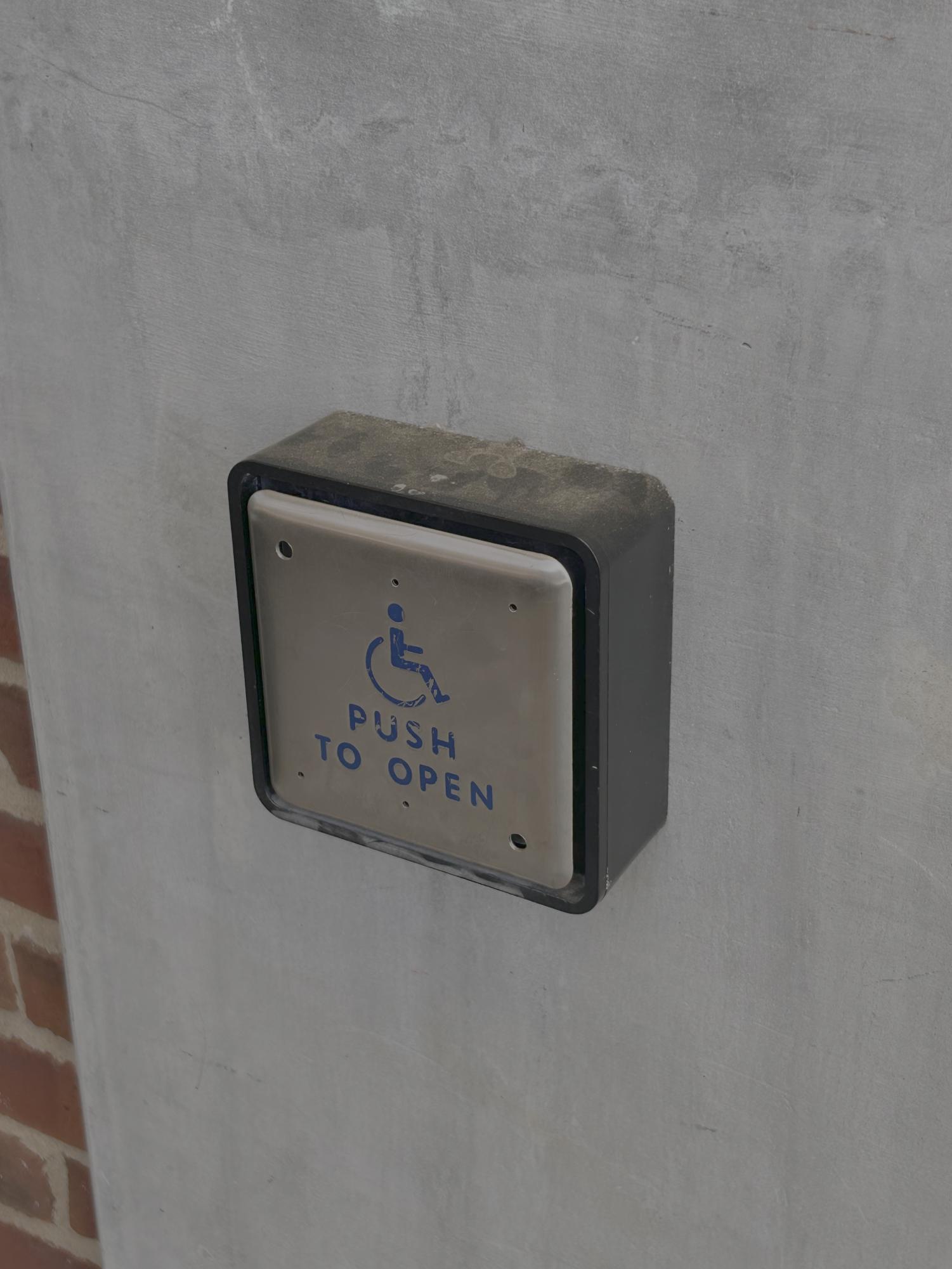
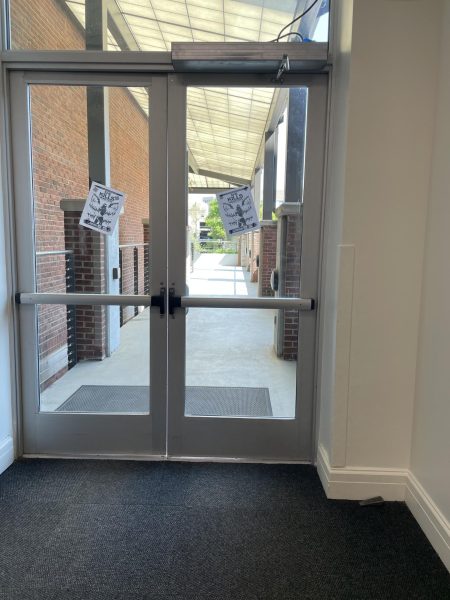
If you’ve ever walked around the USN building, you may have noticed that many of the accessible doors don’t actually function as intended. The push-to-open plates to open them don’t work, and the doors are heavy, making it an inconvenience for anyone trying to get around. It feels a bit like waiting at a crosswalk that doesn’t want to change; the doors just won’t open for you.
Director of Operations Erik Mash ‘93 explains that the goal to make USN fully accessible has been hard to reach due to the age of the building and what obstacles it poses.
“It’s been kind of a journey for us from an accessibility standpoint, because, as you know, our buildings range in age, from built in 1925, in the 1980s, one built in the 1990s, and then in the 2000s, so codes have changed when it comes to ADA access and things like that,” Mash said.
If USN chooses to do construction on anything, they have to be able to meet the current ADA code “to the maximum extent feasible”, meaning as much as is allowable by the construction of the building, by the end of the project. This means that they have to consider how to meet the ADA standards every time they consider projects.
Over the summer, Mash says Operations plans on fixing the accessible door operators across the school.
“We have quotes in to do some summer work to replace [the door operators],” he said.
While it is amazing that USN is putting in the effort to help keep the school accessible, it’s important to remember that it is also the students’ responsibility to be respectful of these efforts and accommodations.
USN is by no means a fancy building, but it is a building that we are fortunate to have, and students don’t always treat it well. With the installation of new doors and maybe even a new lift to the stage, we all have to remember that it is also our job as students here to not damage the building. Mash explains that they’ve had a few instances of students causing damage to the building, one of which being to an accessible door.
“We actually had a student who broke the glass in one of the doors because they were using their feet to hit the door of the panic bar and they missed, and it cracked the glass,” he said.
In order to keep USN’s accessible features intact and functional, we have to remember to treat them with respect and care.
This also applies to the visual state of USN. It costs $90,000 to $120,000 every year to repaint the walls. Mash states that the school has to repaint because of scuffs and scrapes on the walls, and much of the time and money invested in repair and upkeep is avoidable.
“[We have] kids putting their feet [on walls] and running stuff up against them and things like that…we have to tell the high schoolers, ‘Y’all have to think about this kind of stuff,’” Mash says.
Accessibility also encompasses the classroom, and in such packed classrooms there are often obstacles. However, we have to remember that individual acts of carelessness, like leaving chairs pushed out or desks askew and out of place, also contribute to the inaccessibility of the school.
No matter how accessible the school is made by Operations, it is also the responsibility of students to make sure that the building is in a state that respects the accessibility attempts made by the school.