by Kate Disher ’28
December 10, 2024
The opinions expressed here are strictly those of the writer and do not reflect the views of University School of Nashville or the Peabody Press.
The legendary Marilyn Monroe is quoted as saying, “Hollywood’s a place where they would pay a thousand dollars for a kiss but fifty cents for your soul.”
Today, our focus is not on the glitz and glamor of Hollywood so much as it is on the seedy underbelly of the path to stardom.
It seems that an alarming number of celebrities, once they reach a certain point of power, will begin to feel entitled to another person’s bodily autonomy. Whether it be charges of sex crimes against minors, adults, or anyone in between, Hollywood is beginning to feel more and more like a social experiment where we take the worst people the world has to offer and let them run rampant.
The “power” I refer to is the capacity of celebrities and those who are in charge of them, like producers, directors, and managers, to influence the lives of other people, and this phenomenon leads to a facade of infallibility that causes victims of celebrities to feel powerless. Brand deals, political endorsements, and commercials by these celebrities are all examples of how we’re subconsciously subjected to the opinions and beliefs of the managers and producers of these celebrities.
One example is the recent case against Sean Combs, or ‘P Diddy’, which has shed light on an unfortunate and disgusting truth: these crimes are horrifically commonplace in the floodlights of Hollywood.
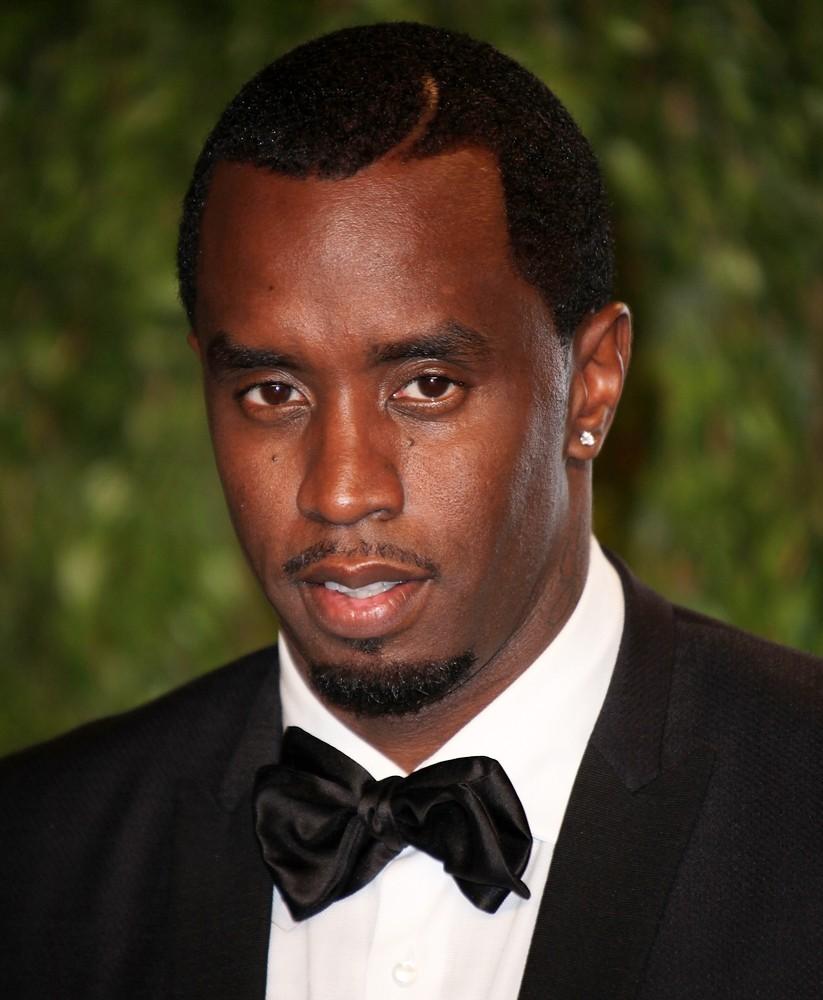
The allegations against Combs include having hidden cameras in his supposed “freak-offs”, cocaine and marijuana possession, predatory behavior toward underage girls, and forcing women and children to have sex with male prostitutes. “Freak-offs” were essentially sex parties that lasted for days in which Combs forced his victims under the influence of drugs like ecstasy and cocaine, and forced these horrific experiences on them.
Time and again, Hollywood has swept predators’ actions under the rug, and, recently, many new allegations have come to light that won’t be brushed off again. These situations that have surfaced cause pertinent questions to rise: how do celebrities get away with this? What do the victims have to say about these crimes?
While it may not be nice to think about, it’s not just P Diddy who has committed heinous crimes with their fame. Other celebrities, like R. Kelly, who was accused of physical and sexual abuse; Jim Morrison, who was accused of sexual assault; Ben Affleck, who was accused of groping a TV show host and later apologized; Nick Carter, who was accused of sexual assault by Melissa Schuman; Lizzo, whose scandal blew up after she coerced her backup dancers into nonconsensual acts; Morgan Freeman, who was accused of sexual harrassment, nonconsensual groping, and otherwise inappropriate behavior. These are only a few.
But, the question is: why? It could be about the unquenchable thirst for power and the insatiable hunger for control, or it could simply be about an unchecked attraction to nonconsent, however, it just seems that there are too many cases of this very phenomenon for it to be solely about the latter. All of these cases point to a singular conclusion: Hollywood fosters an environment in which celebrities’ power is allowed to go unchecked, and it leads to a certain expectation of infallibility. These celebrities are viewed as being able to do no wrong, and, evidently, that is not the truth.
To address the situation at hand, we must first consider why they happen. If it’s truly about an unchecked greed for power, then celebrities’ platforms need to be reduced to something for them to share their talents, not for them to influence and control the lives of those around them. Fame is something that is undoubtedly going to occur when someone is incredibly talented, like Alicia Keys, Taylor Swift, Freddie Mercury, Whitney Houston, Aretha Franklin, Bruno Mars, Jimmy Hendrix, or Eric Clapton. But there’s a difference between fame and an obnoxious amount of power.
If someone has enough power that they can force people into predatory and illegal situations, that’s a problem that everyone should be concerned about, because it’s no longer just about the celebrities; it’s about those who have to sit by and watch as their friends and family get brutally abused and are barred from having the chance to come out about it.
With that said, Hollywood is not the only guilty party in this situation. Those who stand by and write these situations off with a “what happens in Vegas stays in Vegas” attitude are also guilty. To snub a victim is to snub every victim, and that is the main premise of how these situations get swept under the rug. Hollywood humiliates and shames one victim, and the rest have to sit there and cope with the fact that they will never have the chance to speak out about the trauma inflicted on them.
Hollywood is one of the largest influences on modern culture and society, and if one of the largest institutions in the world can’t muster up an ounce of empathy for the real people that are victimized by these star-studded personas, then how can it be expected that anyone do any differently?
Double-standards are the things that need to be changed, not victims.